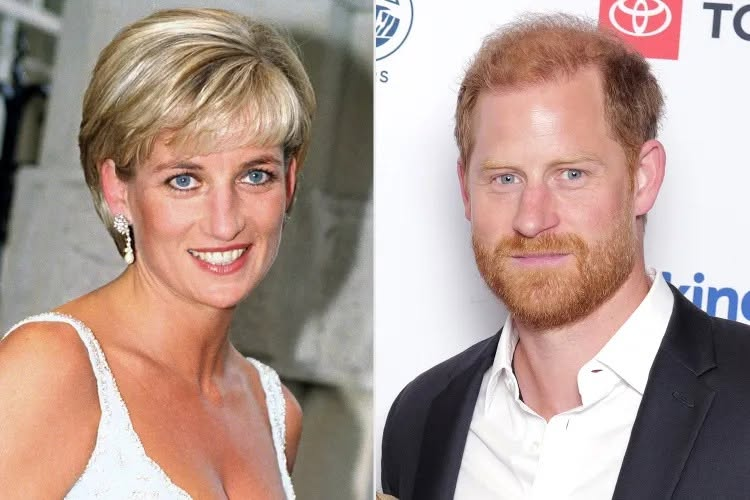
For years, Prince Harry has carried the emotional weight of losing his mother, Princess Diana, when he was still a child. Her death in 1997 changed the course of his life, leaving him to grow up under the intense scrutiny of the British royal family and the international media while navigating a grief that few children could fully understand.
Behind the public appearances, military service and royal responsibilities, Harry has spoken about the lasting effects of that loss and the challenges of making sense of life without someone so important. One particularly painful aspect of grief is the feeling that moving forward might somehow mean leaving a loved one behind. For people who have experienced profound loss, the possibility of finding happiness again can sometimes be accompanied by unexpected guilt.
The idea that Harry struggled with the thought of being happy without his mother captures an emotional experience that many grieving people recognize. However, any specific quotation or claim about his private feelings should be understood in the context of what he has publicly shared, rather than treated as a complete account of his inner life.
What makes his story so compelling is not simply his status as the Duke of Sussex. It is the universal question at its heart: how do we allow ourselves to experience joy again when someone we love is no longer here to share it?
Prince Harry’s Life Changed Forever After Princess Diana’s Death
Princess Diana died on August 31, 1997, following a car crash in Paris. Harry was 12 years old, while his older brother, Prince William, was 15.
The tragedy sent shockwaves around the world. Diana had become one of the most recognizable women of her generation, admired for her charitable work, warmth and ability to connect with people facing difficult circumstances.
For Harry and William, however, the loss was profoundly personal. They were two young boys suddenly forced to confront the death of their mother while the world watched their grief unfold.
The public mourning that followed was extraordinary. Crowds gathered in London, flowers covered the streets outside royal residences, and television broadcasts carried images of a nation struggling to understand what had happened.
Amid that overwhelming attention, the brothers had to navigate their own private emotions. Their experience was unlike that of most children because their family tragedy became a global event.
Harry has reflected publicly on how difficult it was to process his mother’s death and how its effects continued into adulthood. His experiences illustrate that grief does not necessarily disappear as childhood ends. Instead, it can change shape as a person grows older and encounters new milestones.
Birthdays, relationships, marriage and the arrival of children can all bring renewed awareness of the person who is missing.
The Complicated Feeling of Guilt After Losing Someone
Grief is often described as sadness, but the emotional reality can be much more complicated.
People who lose a loved one may experience anger, confusion, loneliness, regret and even guilt. Sometimes they question whether they could have done something differently. At other times, they may feel uncomfortable when they begin enjoying life again.
This can happen because happiness seems to create a painful contrast with the absence of the person who died. A celebration that once would have been shared may instead highlight the empty space left behind.
For a child who loses a parent, those feelings can be especially difficult to understand. Children may not have the emotional language or life experience needed to make sense of their reactions. They may also struggle with the idea that the world continues to move forward when their own lives have changed so dramatically.
Harry’s public reflections on his mother’s death have helped bring attention to the long-term emotional consequences of childhood bereavement. His story also provides an opportunity to discuss a common misconception about grief: that recovering from loss means gradually caring less about the person who died.
In reality, people can continue to love and miss someone deeply while building a fulfilling life of their own.
Happiness does not erase grief. Nor does it diminish the significance of a relationship that ended through death.
Why Finding Happiness Can Feel Like Leaving Someone Behind
For many grieving people, moving forward can initially feel disloyal.
They may wonder whether laughing, falling in love or celebrating an achievement means they are forgetting the person they lost. A happy moment may even trigger sadness because the loved one is not there to witness it.
These feelings can be particularly powerful when the person who died played a central role in shaping someone’s identity.
For Harry, Princess Diana was not simply a famous public figure. She was his mother, a person connected to his earliest memories, family experiences and understanding of the world.
As he entered adulthood, major life events inevitably created new experiences that he could not share with her in the way he might have hoped.
Marriage, for example, can make the absence of a parent especially noticeable. So can becoming a parent oneself. These milestones often encourage people to imagine what the missing person might have said, how they might have reacted or whether they would have been proud.
Such thoughts can bring comfort, but they can also intensify grief.
The important distinction is that remembering someone does not require a person to remain unhappy. Love is not measured by the amount of suffering someone continues to experience.
A person can honor a loved one’s memory through relationships, values and meaningful experiences while allowing themselves to feel joy.
Growing Up in the Shadow of a Global Tragedy
Harry’s grief developed under circumstances that made privacy difficult.
Princess Diana’s death was followed by years of public fascination with her sons, their relationship with the monarchy and the ways they would carry her legacy into adulthood.
For most families, grief can be processed away from public attention. Relatives can talk privately, share memories and gradually adjust to life without the person who died.
Harry and William faced a different environment. Their personal experiences were frequently discussed in newspapers and television programs, while their public appearances could become opportunities for others to interpret their emotions.
That does not mean their grief was entirely defined by public scrutiny, but it created additional pressures around an already painful experience.
Harry has spoken about mental health and the importance of acknowledging emotional struggles. His willingness to discuss difficult experiences has contributed to wider conversations about how people cope with bereavement, particularly when they feel expected to appear strong.
Public figures can face a particular challenge because audiences may confuse composure with emotional well-being. Someone can carry out professional responsibilities, attend public events and maintain relationships while still experiencing profound sadness.
Grief is not always visible. It can remain present even during periods of apparent success and happiness.
How Becoming a Father May Change the Experience of Grief
Harry’s life as a father has introduced another dimension to his relationship with his mother’s memory.
He and Meghan Markle have two children, Prince Archie and Princess Lilibet. Parenthood often changes how people understand their own childhoods, including the relationships they had with their parents and the experiences that shaped them.
For someone who lost a parent early in life, raising children can bring particularly complex emotions.
Watching a child reach an age when the parent who died is no longer available may prompt new questions. Parents may wonder what their lost loved one would have been like as a grandparent, which family traits might be passed down and what advice they would have offered.
For Harry, Diana’s absence means that his children cannot develop a relationship with their paternal grandmother in the ordinary way. They can learn about her through photographs, stories and the memories shared by people who knew her.
Although it is not possible to know precisely how Harry processes these feelings in private, the connection between parenthood and family memory is understandable.
Becoming a parent can also help people recognize that the love they received from someone who died can continue to influence the way they raise their own children.
The relationship does not need to end emotionally simply because the person is no longer physically present.
Princess Diana’s Legacy Lives On Through Her Sons
Princess Diana’s influence continues to be discussed through the charitable interests and public activities of her sons.
During her lifetime, Diana became known for engaging directly with people who were often marginalized or stigmatized. Her work brought attention to homelessness, landmines, HIV/AIDS and other humanitarian concerns.
Harry has pursued charitable work of his own, including initiatives connected to veterans, mental health and support for vulnerable communities. His work cannot be reduced solely to his mother’s influence, but the values associated with compassion and public service remain an important part of the family’s story.
William has also continued charitable work through initiatives focused on issues including homelessness and mental health.
The brothers have developed different public identities and approaches to their responsibilities, yet their shared history with Diana remains an enduring point of connection.
Keeping a loved one’s legacy alive does not mean attempting to recreate the past. It can mean choosing which values to carry forward and finding new ways to express them in a changed world.
For many families, that is one of the most meaningful ways to honor someone who died.
Learning That Happiness Is Not a Betrayal
One of the most difficult lessons after losing someone is understanding that happiness and grief can exist together.
People sometimes imagine recovery as a straight path from sadness to acceptance. In reality, emotions often overlap. A person can feel grateful for their life while still wishing that someone important were present to share it.
A wedding can be joyful and heartbreaking. The birth of a child can bring excitement alongside sadness about a grandparent who never had the chance to meet the baby. A professional achievement can inspire pride while reminding someone of a parent who always encouraged them.
These emotional contradictions are not signs that grief is being handled incorrectly. They are part of the complicated process of adapting to loss.
Allowing happiness to return does not mean abandoning memories or pretending that the death never happened. It means accepting that a meaningful life can continue despite the absence.
For anyone who struggles with guilt after loss, it can help to speak with trusted friends, family members or a qualified mental health professional. Grief has no universal timetable, and people deserve support as they navigate it.
The goal is not to forget the person who died. It is to discover a way to remember them without feeling that every moment of joy must come at the expense of that memory.
Why Prince Harry’s Story Resonates With So Many People
Harry’s experiences have attracted attention partly because they unfold within the unusual setting of the British royal family. Yet the emotions associated with losing a parent are not limited by wealth, status or public recognition.
People from all backgrounds understand the longing to share good news with someone who is no longer alive, the sadness of reaching an important milestone without them and the desire to know what they would have thought.
Harry’s willingness to speak about difficult aspects of his life can help make these emotions easier to discuss. His story also demonstrates that grief may remain part of a person’s life long after the initial shock has passed.
It is important not to assume that every grieving person experiences guilt in the same way. Some find it easier to embrace new experiences, while others need considerable time before happiness feels comfortable again.
There is no single correct response to loss.
What matters is recognizing that grief and love are deeply connected, and that allowing life to move forward does not weaken that connection.
Final Thoughts: Happiness Can Be Part of Keeping a Loved One’s Memory Alive
Prince Harry’s childhood loss of Princess Diana remains one of the defining experiences of his life. His public reflections have helped illuminate the complicated emotions that can accompany bereavement, including the difficulty some people experience when they begin to feel happy again.
Although the precise details of his private emotional journey cannot be fully known, the wider message is meaningful: finding happiness after losing someone does not mean that the person has been forgotten.
Love does not require permanent unhappiness. Memories can remain precious, grief can return unexpectedly, and life can still offer moments of connection, laughter and hope.
For Harry, Diana will always be part of his family history, regardless of how his life changes. The same is true for anyone who has lost someone deeply loved.
Perhaps the most compassionate lesson is this: moving forward is not the same as moving on from love. A person can carry the memory of someone who died into every new chapter without feeling guilty for the happiness those chapters may bring.
Sometimes, allowing ourselves to live fully is not a betrayal of the person we lost. It is one way of honoring the love that remains.