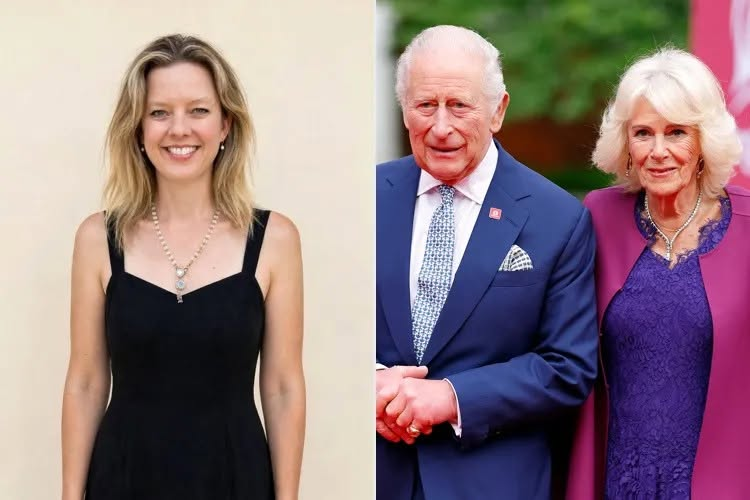
News of a reported killing involving a doctor said to have connections to the British royal household has drawn attention to the vulnerability of medical professionals and the emotional impact that violent incidents can have on families, colleagues and wider communities. Any tragedy involving someone associated with a prominent institution is likely to prompt questions, particularly when the circumstances remain unclear and details are still emerging.
For the British royal family, whose public responsibilities often bring them into contact with doctors, healthcare workers and medical organizations, reports of such an incident would be deeply concerning. However, the precise identity of the doctor, the circumstances surrounding the reported killing and the nature of any connection to the royal household must be established through reliable information before conclusions can be drawn.
The distinction matters. A professional who has treated a royal family member, attended an official event or worked with a royal-associated organization may have a connection to the household without being a member of its staff. Understanding that difference is essential when interpreting a developing story.
Beyond the royal connection, the central issue remains the reported loss of a medical professional’s life. Such news raises difficult questions about personal safety, the risks faced by healthcare workers and the importance of accurate reporting when a potentially serious criminal incident attracts public attention.
Why News Involving the Royal Household Attracts Attention
The British royal family occupies a distinctive position in public life. Its members regularly meet people from medicine, science, education, public service and charitable organizations. These relationships form part of the monarchy’s wider role in recognizing professional achievements and supporting causes that affect communities across the United Kingdom.
Doctors and healthcare specialists may encounter the royal household in several ways. Some provide medical care in professional settings, while others participate in public engagements, support health-related charities or work with organizations that receive royal patronage.
A connection of this kind can attract public interest when a person becomes involved in a serious incident. However, the exact nature of the relationship is important. An individual who has worked with a royal-supported charity is not necessarily an employee of the royal household, and a professional connection does not automatically indicate a close personal relationship with a royal family member.
Without verified details, it would be premature to suggest that the reported killing has directly affected a particular royal or that members of the family have received specific news or issued a private response.
Nevertheless, the broader subject highlights how professional networks can connect people across public institutions, including the monarchy and the healthcare sector.
The Vital Role of Doctors in British Society
Doctors occupy an essential place in society, often working under intense pressure while making decisions that can have life-changing consequences. Their responsibilities extend far beyond treating illnesses. They support patients through emergencies, communicate difficult diagnoses, guide families through uncertain situations and help people recover from serious injuries.
Medical professionals also devote years to education and training before entering their chosen specialties. Many work long hours in hospitals, clinics and community settings, where their work depends on teamwork, trust and a commitment to patient welfare.
When a doctor is reported to have been killed, the loss can affect far more than the immediate family. Colleagues may lose a trusted member of their team, patients may lose someone who provided essential care, and a wider professional community may be left confronting an unexpected tragedy.
The circumstances of any individual case must be established before its implications can be assessed. Yet the broader human consequences of losing a medical professional are clear: families grieve, workplaces must cope with the absence of a colleague, and communities may struggle to understand how such a loss occurred.
The public attention surrounding a royal connection should not overshadow the doctor’s own life, work and relationships.
Separating Confirmed Facts From Unverified Reports
When a serious incident is described as breaking or heartbreaking news, the first details circulating publicly may be incomplete. Early accounts can leave important questions unanswered, including the identity of the person involved, the location of the incident and whether authorities have confirmed the circumstances of the death.
That uncertainty makes careful reporting particularly important.
The wording “reported killing” indicates that the claim should not automatically be treated as a fully established account of events. Confirmation from relevant authorities or other reliable sources is necessary before reporting specific circumstances as fact.
It is also important to distinguish between a confirmed death, the suspected cause of death and any conclusions about responsibility. These are separate matters, and developments in a criminal investigation can change what is known.
In this case, the available headline alone does not establish the doctor’s identity, the date or location of the incident, whether an investigation is underway, or how the individual was connected to the royal household.
Consequently, assigning a name, describing a possible motive or claiming that a particular royal family member has reacted would risk spreading misinformation.
Responsible coverage should acknowledge what remains unknown while recognizing the seriousness of the reported incident.
How the Royal Family Engages With Healthcare
Healthcare has long been an important part of the British royal family’s public and charitable activities. Members of the family regularly support organizations working in areas such as medical research, mental health, emergency services and patient care.
These engagements can involve visiting hospitals, meeting medical teams, recognizing healthcare workers and drawing attention to the experiences of patients and their families.
Such activities give the monarchy opportunities to highlight the contribution of medical professionals and the importance of accessible healthcare. They also create connections between members of the royal family and people working across the health sector.
However, official patronage and professional relationships should not be confused with direct personal involvement in every incident affecting someone in the medical community.
If the reported killing involves a doctor who worked with a royal-associated organization, the nature of that connection would help explain why the story has attracted particular interest. Until those details are confirmed, the relationship should be described cautiously.
The most appropriate focus remains the reported loss of life and the need for accurate information about what happened.
The Human Impact on Family, Friends and Colleagues
Behind any headline about a reported killing is the possibility of profound grief for the people closest to the person who died.
For family members, the sudden loss of a loved one can bring shock, uncertainty and difficult practical decisions. Friends may struggle to comprehend the circumstances, while colleagues must balance their professional responsibilities with their own emotional responses.
In healthcare settings, the loss of a doctor can also raise concerns about the welfare of staff who may have worked closely with the individual. Medical teams often develop strong professional bonds because their work involves shared responsibility, demanding schedules and emotionally challenging experiences.
It would be inappropriate to speculate about the feelings or private reactions of the doctor’s relatives without information from those directly involved. Still, acknowledging the potential human impact helps place the story in a wider context.
Public attention can sometimes become concentrated on the status of an individual or the institutions with which they were associated. Yet the people most directly affected may prefer privacy as they process the loss.
Respecting that privacy is particularly important when details remain uncertain and an investigation may be ongoing.
Public Safety and the Risks Faced by Medical Professionals
A reported killing involving a doctor can prompt broader questions about personal safety, although one incident alone cannot establish a wider pattern or explain the circumstances of a particular case.
Doctors work in many different environments, from hospitals and emergency departments to private practices and community clinics. The risks they face vary according to their specialty, workplace and the situations in which they provide care.
Healthcare organizations have a responsibility to assess workplace risks, establish appropriate safety procedures and provide support when staff experience threats or violence. Patients and members of the public also have a role in ensuring that healthcare environments remain respectful and safe.
If authorities confirm that a medical professional was killed in a criminal act, investigators would need to establish the relevant facts before the incident could be used to draw wider conclusions about public safety.
Until then, speculation about motive, personal disputes or possible threats would serve little purpose.
The broader lesson is that medical professionals deserve to carry out their work without fear of violence, while any serious incident should be investigated carefully and reported accurately.
Why Responsible Reporting Matters in Royal News
Stories involving the British royal family often receive international attention, and that visibility can make unverified claims spread quickly.
The use of royal connections in headlines can help readers understand why a story is attracting interest, but it can also create an exaggerated impression of how closely a person was connected to the monarchy.
Accurate reporting should explain the relationship rather than relying on an ambiguous description. It should also avoid presenting an alleged royal reaction as fact unless an official statement or credible report supports it.
In a case involving a reported killing, these standards become even more important. Incorrectly identifying a person, misrepresenting the circumstances of a death or attributing statements to grieving relatives can cause additional harm.
Readers deserve a clear distinction between confirmed information, developing reports and unanswered questions.
The same principle applies to the royal family’s response. Without a verified statement, it is not possible to say whether the monarch, the Prince and Princess of Wales or another member of the family has commented privately or publicly.
Maintaining those boundaries does not diminish the seriousness of the story. It ensures that the facts remain at the center of the coverage.
What Happens Next?
The next important development would be reliable confirmation of the doctor’s identity and the circumstances surrounding the reported killing. If authorities are investigating the incident, official updates may eventually clarify the timeline, the nature of the suspected crime and any relevant findings.
Information about the doctor’s professional background could also establish whether the connection to the royal household involved employment, medical care, charitable work or another professional relationship.
Until those details become available, the story should be approached with caution. No specific motive, suspect, royal response or personal relationship can responsibly be inferred from the headline alone.
For the public, the most useful approach is to follow credible updates while allowing the relevant authorities to establish the facts.
A Tragic Reminder of the Human Lives Behind the Headlines
The reported killing of a doctor connected to the British royal household is a serious subject that deserves careful attention. It brings together public interest in the monarchy with wider concerns about violence, professional safety and the devastating effects of sudden loss.
Yet the royal connection should not become the only focus. The person at the center of the story was a medical professional whose life, work and relationships deserve to be treated with dignity.
Until the key details are independently confirmed, it would be premature to describe the incident as a particular kind of crime, identify the doctor or claim that the royal family has issued a response.
What remains clear is the importance of compassion, accuracy and respect for those who may be grieving. As further verified information emerges, the story may become clearer. In the meantime, responsible coverage should avoid speculation and remember the human consequences behind the headline.