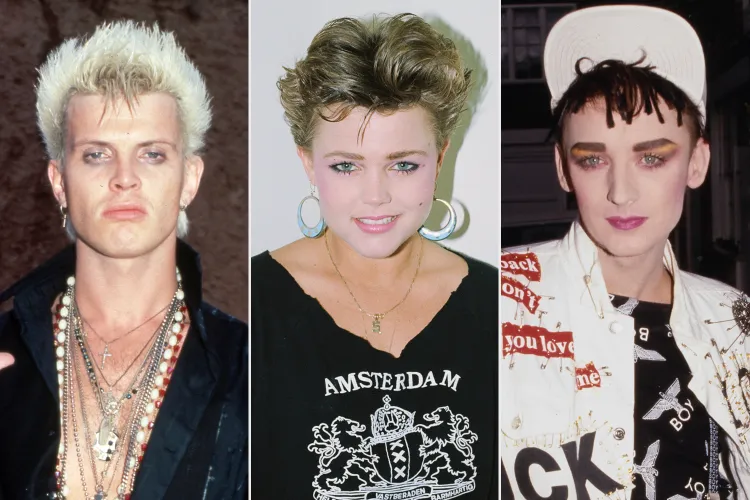
The 1980s were a defining decade for music, fashion, and pop culture, producing some of the most recognizable artists and unforgettable sounds in modern music history. From Boy George’s flamboyant style to Billy Idol’s rebellious rock attitude and Belinda Carlisle’s irresistible pop anthems, the decade created a generation of performers who refused to follow the rules. Now, the spirit of that extraordinary era is back in the spotlight with New Wave, a documentary celebrating the artists, music, and cultural movement that helped shape an unforgettable chapter in entertainment history.
Featuring iconic names associated with the decade, including Boy George, Belinda Carlisle, and Billy Idol, New Wave promises to revisit the creativity, individuality, and musical experimentation that made the 1980s such a distinctive period. The documentary’s trailer offers a glimpse into a world of bold hairstyles, colorful fashion, unforgettable melodies, and artists who transformed the boundaries of mainstream music.
For longtime fans who grew up with these performers, the film offers an opportunity to revisit the soundtrack of their youth. For younger audiences discovering the decade through streaming platforms, vintage fashion, and social media, it provides a chance to explore the artists behind some of pop culture’s most enduring trends.
New Wave Documentary Celebrates the Artists Who Defined the ’80s
The title New Wave immediately evokes a musical movement that challenged conventional ideas about what popular music could sound and look like. Emerging from the late 1970s and flourishing throughout the 1980s, new wave brought together elements of punk, pop, electronic music, rock, and experimental songwriting.
Rather than adhering to one strict formula, the movement embraced diversity. Some artists relied on synthesizers and danceable rhythms, while others combined sharp guitar riffs with theatrical performances and unconventional visual identities. This freedom helped create a musical landscape in which individuality became a defining feature.
The documentary’s focus on celebrated performers such as Boy George, Belinda Carlisle, and Billy Idol reflects the remarkable range of artists associated with the era. Their careers demonstrate how the decade brought together seemingly different musical personalities under a broader cultural atmosphere of reinvention.
A documentary exploring this period has plenty of material to examine, from the evolution of music videos to the growing influence of MTV and the relationship between fashion and musical identity.
More than simply revisiting familiar songs, New Wave invites audiences to consider why the decade’s artistic energy continues to inspire musicians, designers, filmmakers, and music fans decades later.
Boy George: The Artist Who Made Individuality a Statement
Few performers embody the visual daring of the 1980s quite like Boy George. As the lead singer of Culture Club, he became internationally recognizable for his expressive voice, distinctive appearance, and willingness to challenge conventional expectations surrounding masculinity, fashion, and celebrity.
Culture Club achieved major success with songs including “Do You Really Want to Hurt Me” and “Karma Chameleon.” Their music combined memorable pop melodies with elements of soul, reggae, and other influences, helping the group stand apart from many of its contemporaries.
Boy George’s image was an equally important part of his cultural impact. His colorful clothing, elaborate makeup, and androgynous style challenged traditional ideas about how a male pop star should look. At a time when music television was becoming increasingly influential, his appearance made him instantly recognizable.
His influence extended beyond music. Boy George helped demonstrate that a performer’s visual identity could become an essential part of an artistic statement, opening space for later generations of musicians to experiment with gender expression, theatrical fashion, and unconventional public personas.
In a documentary revisiting the new wave era, his presence represents one of the movement’s most significant qualities: the freedom to be unmistakably different.
Belinda Carlisle: The Pop Voice Behind an Unforgettable Era
Belinda Carlisle brought another essential dimension to the 1980s music landscape. First gaining prominence as the lead singer of the Go-Go’s, she helped establish one of the most successful all-female bands to emerge from the American new wave and pop-rock scene.
The Go-Go’s became known for energetic performances, catchy songwriting, and a distinctive combination of punk-influenced attitude and accessible pop melodies. Their success challenged assumptions about women in rock, particularly the idea that female performers were less capable of writing and playing their own music.
Carlisle later established a successful solo career, delivering enduring hits such as “Mad About You,” “Heaven Is a Place on Earth,” and “Circle in the Sand.”
Her music captured the bright, polished sound that made 1980s pop so appealing, while her career reflected the decade’s broader opportunities for artists to reinvent themselves. Moving from a guitar-driven band to a successful solo identity, Carlisle demonstrated how musical versatility could sustain a career beyond a single group or genre.
Her inclusion in the broader New Wave conversation highlights the important role women played in shaping the decade. The era was not defined solely by male rock stars or synthesizer-driven pop acts; it also depended on female artists who brought their own creative perspectives to the mainstream.
Billy Idol: Rock Rebellion Meets New Wave Style
Billy Idol became one of the most recognizable faces of 1980s rock, combining punk-inspired attitude with polished production and an image designed to command attention.
After gaining experience in the British punk scene with Generation X, Idol pursued a solo career that brought his rebellious persona to a much wider audience. His music blended aggressive guitars, electronic elements, and arena-ready choruses, creating a sound that connected with rock fans and mainstream pop listeners alike.
Songs such as “White Wedding,” “Rebel Yell,” and “Dancing with Myself” became defining tracks associated with his career. His signature sneer, bleached hair, and leather-clad image reinforced the sense of danger and defiance that surrounded his music.
Idol also understood the power of music videos. His visual presentation helped translate his personality into a format that audiences could recognize immediately, strengthening the connection between image and sound that characterized much of the decade.
His career illustrates how new wave was never limited to synthesizers or glossy pop. It could also be loud, confrontational, guitar-driven, and deeply connected to the rebellious spirit of punk.
For viewers revisiting the period, Idol represents the crossover between underground musical influences and mainstream rock success.
Why the 1980s Music Scene Was So Different
The appeal of New Wave lies partly in the extraordinary variety of the music it celebrates. The 1980s were not defined by one dominant sound. Instead, the decade brought together different genres, technologies, and artistic identities in ways that often overlapped.
Synthesizers became increasingly important in popular music, allowing artists to experiment with textures and rhythms that differed from traditional guitar-based arrangements. Drum machines and electronic production techniques helped create dance-oriented tracks, while advances in recording technology gave producers new ways to shape the sound of a song.
At the same time, punk’s influence remained visible in the attitude and presentation of numerous artists. New wave performers frequently paired rebellious ideas with accessible melodies, making music that could sound unconventional while still reaching a broad audience.
Fashion was another essential part of the movement. Bright colors, oversized silhouettes, dramatic makeup, asymmetrical hairstyles, and unusual accessories became closely associated with the era. Artists were not simply performing songs; they were building visual worlds that reflected their personalities.
Music television amplified that connection. As music videos became a major promotional tool, the relationship between sound, clothing, performance, and storytelling grew stronger.
These developments helped create a generation of stars whose identities were recognizable even outside their music. Their influence continues to appear in contemporary pop videos, concert styling, fashion collections, and nostalgic entertainment.
What the New Wave Trailer Can Tell Fans
For a music documentary, a trailer serves as an introduction to both the subject and the atmosphere of the film. It can bring together familiar faces, archival footage, memorable performances, and glimpses of the cultural environment in which the artists rose to prominence.
The prospect of seeing figures such as Boy George, Belinda Carlisle, and Billy Idol associated with a single project is particularly appealing because their careers represent different sides of the 1980s experience.
Fans may be drawn to the nostalgia of seeing familiar performers and remembering the songs that accompanied their lives. Others may be more interested in understanding how these artists developed their distinctive styles and how the new wave movement became such a powerful cultural force.
However, the trailer alone should not be treated as confirmation of every detail viewers might hope to see in the finished documentary. The film’s full scope, the extent of individual interviews, its release schedule, and its distribution arrangements should be confirmed through official announcements rather than assumed from promotional material.
What the concept clearly offers is an opportunity to revisit a musical era whose influence remains visible across generations.
Why New Wave Music Still Matters Today
Decades after its commercial peak, new wave continues to find new audiences. Streaming services make classic albums readily accessible, while social media introduces younger listeners to songs and styles that once dominated radio and music television.
The renewed interest is not simply about nostalgia. Many elements of 1980s music remain relevant to contemporary artists, particularly the combination of electronic production, strong melodies, theatrical presentation, and distinctive visual branding.
Modern musicians frequently revisit synthesizer-heavy arrangements, retro drum sounds, and colorful aesthetics associated with the decade. Fashion trends also move in cycles, bringing oversized jackets, vintage accessories, dramatic makeup, and other period-inspired looks back into mainstream culture.
The era’s emphasis on individuality may be its most enduring contribution. Artists such as Boy George and Billy Idol built careers around unmistakable personas, while Belinda Carlisle demonstrated the strength of combining musical versatility with a memorable pop identity.
Their success helped establish a cultural environment in which being different could become a powerful artistic advantage.
A documentary like New Wave can therefore appeal to more than fans who remember the original hits. It can also help younger viewers understand the creative choices and cultural changes that shaped modern pop entertainment.
A Celebration of Music That Refuses to Fade
With its focus on major figures associated with the 1980s, New Wave arrives as a celebration of a period when music, fashion, and personality became inseparable parts of popular culture.
Boy George brought fearless self-expression, Belinda Carlisle delivered enduring pop anthems, and Billy Idol helped merge punk rebellion with mainstream rock. Together, artists like these demonstrate the extraordinary variety that made the decade so memorable.
The documentary’s appeal lies in the opportunity to revisit that creative energy and consider why its influence has survived long after the original era ended.
For longtime fans, the project promises a nostalgic return to a soundtrack filled with unforgettable songs and larger-than-life personalities. For newcomers, it offers an introduction to a movement that helped redefine what a pop star could be.
The 1980s may be decades behind us, but their music continues to find new listeners, inspire fresh interpretations, and shape contemporary culture. If New Wave captures even part of that spirit, it will offer audiences a compelling reminder that the artists who ruled the decade never really left the stage.