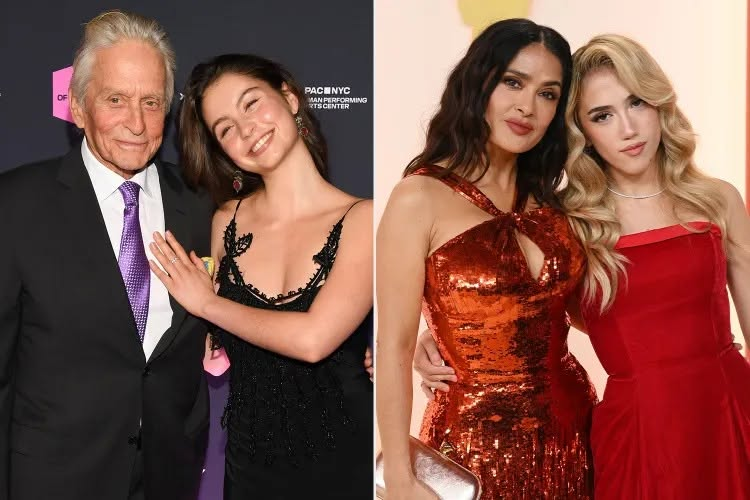
Some Hollywood fashion legacies are being passed down one outfit at a time. From vintage designer pieces to unforgettable red-carpet looks, a new generation of celebrity children is discovering the wardrobes of their famous parents, turning treasured garments into fresh fashion statements.
What once belonged to a parent’s most memorable public appearances can now find a second life on a younger star. A vintage gown, a carefully preserved jacket, or a designer accessory can become more than a fashionable choice. It can represent a connection between generations, bringing family memories into the spotlight while introducing a new audience to an earlier era of style.
These nostalgic fashion moments have become particularly appealing in a culture that increasingly celebrates vintage clothing, archival designer pieces, and personal storytelling through fashion. For celebrity children, wearing something from a parent’s wardrobe can be a way to honor family history while experimenting with their own public image.
But the trend raises an intriguing question: are these young stars creating their own identities, or simply stepping into the style of the generation before them?
The answer may be more complicated than it first appears. In Hollywood, where fashion and fame have always been closely connected, an inherited outfit can serve as both a tribute to the past and a statement about the future.
Why Celebrity Children Are Turning to Their Parents’ Wardrobes
Fashion has always moved in cycles. Trends that once seemed outdated eventually return, often reappearing with new proportions, styling techniques, and cultural meanings.
For celebrity children, however, vintage fashion offers something that cannot be purchased in an ordinary store: a direct connection to their family’s history.
A dress worn by a famous mother at a major event may carry memories that extend far beyond its design. A jacket associated with a father’s early career might represent an important period in the family’s life. Even a seemingly simple accessory can become meaningful when it has been preserved for decades.
When a younger generation chooses to wear such an item publicly, it transforms a private possession into a shared cultural moment.
The appeal also comes from the contrast between familiarity and novelty. Fashion enthusiasts may recognize a garment from an earlier photograph, while younger audiences encounter it for the first time. The same outfit can therefore tell two stories: one about the celebrity who originally wore it and another about the person bringing it back into the spotlight.
Social media has helped amplify these moments. Photographs can quickly circulate among fans, encouraging comparisons between the original appearance and the new interpretation.
The result is a fashion conversation that connects generations while reminding audiences that clothing can preserve memories just as effectively as photographs or family keepsakes.
Vintage Fashion Has Become a Powerful Celebrity Statement
The growing interest in archival fashion reflects a broader shift in how people think about luxury clothing.
For years, the fashion industry often emphasized novelty, with new collections and seasonal trends encouraging consumers to update their wardrobes regularly. Today, vintage pieces and previously worn designer garments have become important parts of the conversation.
There are several reasons for this change.
First, vintage fashion offers individuality. Wearing an older garment can help someone avoid the feeling of looking exactly like everyone else. Even when a design comes from a famous fashion house, its age, construction, and history can make it feel distinctive.
Second, archival pieces often demonstrate craftsmanship that fashion enthusiasts appreciate. Carefully constructed tailoring, intricate embroidery, unusual fabrics, and distinctive silhouettes can give older garments a character that is difficult to reproduce.
Finally, vintage clothing can support a more considered approach to consumption. Reusing an existing garment extends its life and offers an alternative to buying something new for every occasion.
For celebrity children, these advantages come with an additional dimension: personal history.
A vintage designer piece inherited from a parent may be rare, but its emotional value can be even greater than its financial worth. It has already been part of a story, and wearing it allows that story to continue.
This combination of history, craftsmanship, and individuality helps explain why archival fashion can be so compelling on a modern red carpet.
The Emotional Meaning Behind Wearing a Famous Parent’s Outfit
A red-carpet outfit is rarely just a piece of clothing. For a celebrity, it can represent a career milestone, a memorable performance, or a defining public appearance.
When a child wears that same garment years later, the meaning changes.
The original outfit may have been selected to communicate confidence, glamour, or artistic ambition. On the next generation, it can also express admiration, affection, and a desire to maintain a connection with the family’s past.
This emotional layer is what makes fashion inheritance different from simply borrowing a trend.
Imagine a daughter wearing a dress her mother once wore to an important ceremony. The two appearances may be separated by decades, yet the garment creates a visual link between them.
The daughter can honor the original moment without reproducing it exactly. A different hairstyle, modern accessories, or a new silhouette can make the outfit feel personal rather than imitative.
The same principle applies to sons wearing a father’s vintage suit, a jacket from an early music tour, or an accessory associated with a significant period in his career.
Such choices allow families to communicate through clothing, turning fashion into a form of personal storytelling.
Of course, not every inherited garment carries deep emotional meaning, and the motivations behind individual fashion choices vary. Nevertheless, the possibility of preserving family memories adds a layer of interest that ordinary trend-driven dressing may not offer.
Are Celebrity Children Creating Their Own Fashion Identities?
This is perhaps the most interesting question raised by the trend.
Celebrity children often grow up surrounded by recognizable names, established careers, and strong public images. Their parents may already have distinctive associations with particular designers, hairstyles, or fashion eras.
As a result, a young celebrity’s style can easily be interpreted through the lens of family history.
When a daughter wears her mother’s vintage gown, comparisons are almost inevitable. Fans may examine their similarities, debate who wore the garment better, or describe the appearance as a continuation of an iconic fashion legacy.
While such comparisons can generate attention, they can also make it difficult for younger stars to be viewed independently.
However, wearing a parent’s clothing does not automatically mean abandoning individuality.
Fashion is inherently interpretive. The same garment can look completely different depending on how it is styled, how it fits, and the personality of the person wearing it.
A young star might pair a vintage gown with contemporary shoes, reinterpret an oversized jacket with modern tailoring, or wear a historic accessory alongside minimalist clothing.
These decisions can turn an inherited piece into something that reflects a new generation’s tastes.
Rather than copying a parent, the wearer may be engaging in a conversation with the past.
The distinction matters because personal style is not created in isolation. People routinely draw inspiration from family members, cultural icons, historical periods, and the clothes already available to them.
The strongest fashion identities often emerge when inspiration is combined with experimentation.
For celebrity children, inherited wardrobes can provide a starting point, but they do not have to define the destination.
How Social Media Changes the Way Fashion Legacies Are Viewed
In previous decades, a celebrity’s memorable outfit might have been documented in a magazine, a television broadcast, or photographs from a major event.
Today, those images can be rediscovered and compared almost instantly.
When a celebrity child wears a parent’s archival outfit, social media allows audiences to place the two appearances side by side. The original image becomes part of the new story, giving the garment a visual history that may be just as important as its design.
This creates a powerful feedback loop.
The vintage outfit attracts attention because it is familiar to longtime fans. The new appearance introduces it to younger viewers. The comparison then generates further interest in both the garment and the people connected to it.
Fashion houses may also benefit when archival pieces return to public attention, particularly when the original design remains relevant to contemporary trends.
Yet the same visibility can create pressure.
A young celebrity may find that every outfit is compared with a parent’s previous choices. Instead of being evaluated solely on personal taste, the new appearance becomes part of a larger discussion about inheritance, resemblance, and legacy.
That attention can be flattering, but it can also place expectations on people who are still developing their identities.
Ultimately, the most interesting fashion moments are those that allow the wearer to participate in the conversation without being reduced to it.
What This Trend Says About Modern Luxury Fashion
The popularity of inherited celebrity clothing also challenges the idea that luxury is always about acquiring something new.
A garment does not necessarily become less valuable because it has been worn before. In many cases, its history increases its appeal.
Archival designer clothing demonstrates that quality, originality, and cultural significance can outlast seasonal trends. A well-preserved garment may remain desirable decades after its original appearance, especially when its design reflects a distinctive period in fashion history.
This is one reason vintage fashion has become important to discussions about sustainability and responsible consumption.
The environmental impact of clothing depends on many factors, including how garments are produced, maintained, transported, and eventually discarded. Rewearing existing pieces can help extend their useful life, although it does not automatically make every fashion choice sustainable.
For celebrity families, the practice has a particularly visible advantage: it demonstrates that a garment can have a long life beyond its first appearance.
Instead of remaining in storage or becoming a forgotten item, a memorable outfit can return to public view with a new meaning.
This approach also encourages a different understanding of fashion investment. Rather than measuring a garment’s value only by its price or exclusivity, people can appreciate its durability, versatility, and the stories attached to it.
In that sense, the wardrobe becomes an archive rather than a collection of disposable trends.
Can Fashion Inheritance Become a Form of Personal Empowerment?
For some celebrity children, choosing an outfit from a parent’s wardrobe may be a way to embrace a family connection on their own terms.
They can decide which pieces to wear, which memories to highlight, and how closely they want to follow the original styling.
That choice creates room for both respect and independence.
A young star may feel proud to wear something associated with a parent’s achievements, while also using the garment to communicate a different perspective. The outfit becomes a shared reference point rather than a set of instructions.
This can be especially meaningful when the original garment represents a defining moment in a parent’s career.
Wearing it again can celebrate the person who came before while demonstrating that the younger generation is ready to make its own mark.
Still, there is no single interpretation of inherited fashion. Some people may choose family garments for sentimental reasons, others because they appreciate the design, and others simply because they enjoy the look.
The important point is that the meaning belongs partly to the wearer.
A fashion legacy is most compelling when it provides inspiration without becoming an obligation.
Final Thoughts: A Legacy Is More Than the Clothes We Wear
The growing interest in celebrity children wearing their famous parents’ outfits demonstrates how fashion can connect generations in unexpected ways.
Vintage designer pieces and iconic red-carpet looks offer more than visual appeal. They can preserve family memories, celebrate craftsmanship, and introduce historic designs to a new audience.
At the same time, the trend raises important questions about individuality. Young stars deserve to develop their own tastes rather than being judged exclusively through the achievements and appearances of their parents.
Fortunately, the two ideas do not have to conflict.
A garment can honor the past while expressing something entirely new. A familiar silhouette can become a personal statement, and an inherited dress can tell a different story each time someone wears it.
Ultimately, the most successful fashion legacies are not simply passed down unchanged. They evolve as each generation brings its own perspective, creativity, and confidence.
Because while an iconic outfit may begin with one unforgettable moment, its story does not have to end there. Sometimes, the next generation is exactly what allows that story to live on.