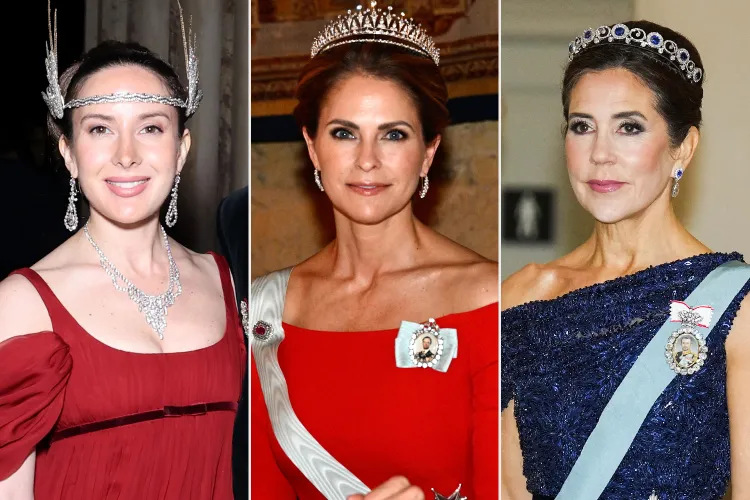
Royal tiaras have a special ability to capture attention. Sparkling with diamonds, pearls, and centuries of history, these magnificent pieces are more than glamorous accessories. They can represent family traditions, royal heritage, diplomatic occasions, and the enduring fascination surrounding Europe’s royal families. While Kate Middleton, the Princess of Wales, often attracts attention for her elegant formal appearances, she is far from the only royal whose tiara choices inspire admiration.
This week’s renewed interest in royal jewelry highlights how different royal women interpret one of the most recognizable symbols of formal royal style. From historic diamond pieces associated with British royal tradition to glittering heirlooms worn by European princesses and queens, tiaras continue to offer a fascinating glimpse into the personal tastes and ceremonial responsibilities of royal families.
For Kate, a tiara appearance is often a rare and carefully considered moment. Her choices tend to reflect the occasion, the history of the piece, and the formal expectations surrounding royal events. Other royal women approach the tradition in their own ways, creating a varied picture of how historic jewelry remains relevant in modern royal life.
Although specific appearances and jewelry choices depend on the week’s official engagements, the broader story is clear: Kate Middleton may be one of the most closely watched royal style figures, but the world of royal tiaras extends far beyond the British royal family.
Why Kate Middleton’s Tiara Moments Attract So Much Attention
Since joining the royal family through her marriage to Prince William in 2011, Kate Middleton has become an influential figure in international fashion. Her public wardrobe often combines contemporary tailoring with traditional royal dress codes, creating a style that feels polished without appearing unnecessarily elaborate.
Her tiara appearances, however, are relatively uncommon compared with her everyday public engagements. The pieces are generally reserved for particularly formal occasions, such as state banquets and certain diplomatic receptions where evening dress is expected.
That rarity makes each appearance especially interesting to royal watchers. A tiara is not simply another accessory selected to complement a gown. It may have a long history within the royal family, having been worn by previous generations or associated with important ceremonial occasions.
Kate has worn several notable pieces, including the Cambridge Lover’s Knot Tiara, which is closely associated with the late Princess Diana. The design features rows of pearls suspended beneath diamond arches, creating a distinctive silhouette that has become familiar to royal fashion enthusiasts.
The tiara was originally commissioned for Queen Mary in the early 20th century and later became associated with Diana, who wore it on several occasions during her marriage to the then-Prince Charles.
When Kate wears a historic royal piece, interest often extends beyond its appearance. Observers examine its provenance, the way it complements her gown, and the broader traditions it represents.
Yet Kate’s appeal is not limited to jewelry. Her approach to formal dressing demonstrates how historic royal traditions can coexist with modern fashion, helping explain why even a brief appearance in a tiara can generate international attention.
Royal Tiaras Are More Than Sparkling Accessories
Tiaras occupy a distinctive place in royal wardrobes because they combine craftsmanship, symbolism, and family history. Many pieces have been passed between generations, altered to suit changing fashions, or worn during important moments in a royal family’s public life.
Unlike ordinary fashion jewelry, historic tiaras may have documented connections to royal weddings, coronations, state visits, and diplomatic gatherings. Their significance can be shaped by the people who wore them as well as by their design and materials.
Some pieces are made with diamonds arranged into floral patterns, geometric arches, or delicate scrolls. Others incorporate pearls, colored gemstones, or motifs associated with a particular family. These details can reveal the artistic tastes and jewelry-making traditions of the period in which a tiara was created.
Royal jewelry collections also reflect the history of European monarchies. Through marriages, inheritances, commissions, and gifts, certain pieces have traveled between families and countries. As a result, one tiara may connect several generations or form part of a larger story about royal relationships.
However, not every tiara carries the same significance, and not every royal woman has access to the same collection. Some pieces belong to an institution or royal household, while others are privately owned or inherited within a particular family.
The distinction matters because the opportunity to wear a tiara often depends on both the occasion and the rules governing the collection.
Queen Camilla and the Tradition of British Royal Jewelry
Queen Camilla is another important figure in the British royal family’s tradition of formal jewelry. As queen consort, she regularly participates in state occasions and diplomatic events where historic pieces may form part of her evening attire.
Her approach to royal dressing often emphasizes established ceremonial traditions. At formal banquets, a tiara can complement an evening gown while reinforcing the visual language associated with monarchy and diplomacy.
Camilla has worn several historic pieces during her public life, including tiaras connected with the British royal collection. Such appearances can attract attention because the jewelry may have been worn by earlier queens or other senior members of the family.
The British royal collection contains an extensive range of historic objects, including jewelry, artworks, and ceremonial items. These pieces provide a visual record of changing styles and royal traditions over time.
For Camilla, wearing a tiara is part of a role that involves representing the monarchy at important events. Her choices may differ from Kate’s because their positions, schedules, and ceremonial responsibilities are not identical.
Kate is the Princess of Wales and a senior member of the royal family, while Camilla serves as queen consort alongside King Charles III. Their appearances therefore occur within different formal contexts, even when both wear traditional royal jewelry.
Rather than viewing their choices as a competition, it is more useful to see them as different expressions of the same enduring tradition.
European Royal Women Bring Their Own Tiara Traditions
Beyond Britain, royal families across Europe maintain their own jewelry collections and ceremonial customs. Queens, princesses, and other royal women have worn tiaras at state banquets, royal weddings, national celebrations, and other formal events for generations.
The Danish royal family, for example, has a distinctive history of historic jewelry associated with its monarchy. The Swedish royal family is also known for a collection of important tiaras, including pieces that have appeared at major state occasions.
In Norway, the royal family’s jewelry traditions reflect a combination of inherited pieces and objects associated with earlier generations. Other European royal households, including those in the Netherlands, Belgium, and Luxembourg, also preserve tiaras that appear during particularly formal events.
Each collection has its own character. Some pieces feature elaborate diamond structures, while others are known for floral motifs, pearls, or gemstones. The designs can reflect the fashions of the period in which they were created, as well as the personal preferences of the royal women who wore them.
These differences are part of what makes royal jewelry so interesting. A tiara that appears delicate and understated in one collection may contrast sharply with a dramatic diamond design from another.
The women who wear these pieces also bring individual styling choices to the tradition. Hairstyling, gown silhouettes, neckline shapes, and other accessories can influence how a tiara looks during an event.
For royal fashion enthusiasts, comparing these details provides a way to appreciate the craftsmanship of the jewelry while recognizing the diversity of royal style.
How Royal Women Choose Their Tiaras
Selecting a tiara is usually more complicated than choosing a piece of jewelry that matches a dress. The occasion, royal protocol, ownership of the piece, and personal considerations can all influence the final choice.
For a state banquet, the dress code may call for formal evening attire, and a tiara may be appropriate for certain attendees. At other engagements, even very senior royals may choose not to wear one.
The historical background of a piece can also be relevant. A tiara may be associated with a particular royal family member, a significant event, or a longstanding tradition. Wearing it can create a connection with that history, whether or not the wearer explicitly draws attention to it.
Practical considerations matter, too. The weight and structure of a tiara can affect how comfortably it sits in the hair. Hairstyles must often provide a secure foundation, while the design needs to work with the gown and other jewelry.
The overall effect is usually carefully balanced. A striking tiara may be paired with relatively restrained earrings or a simple neckline, allowing the piece to remain the focal point of the look.
There is also a difference between wearing a tiara because it is personally meaningful and wearing one as part of a ceremonial role. Royal women may have access to particular pieces because of their position within a family, not simply because they prefer a certain design.
These considerations help explain why tiara appearances are relatively rare and why each one can attract such considerable interest.
The Enduring Appeal of Kate Middleton’s Royal Style
Kate Middleton’s influence extends well beyond the tiaras she wears. Her everyday clothing choices often receive attention because they combine accessible fashion with the formality expected of a senior royal.
She frequently wears tailored coats, coordinated separates, classic dresses, and carefully chosen accessories. These pieces can be adapted to a variety of public engagements, from community visits to international travel.
When Kate appears in a tiara, the contrast with her usual daytime style makes the occasion feel particularly special. The transformation is not simply about adding diamonds. It reflects the shift from an ordinary public engagement to a highly formal event with established traditions.
Her ability to move between modern clothing and historic ceremonial dress is one reason her style continues to attract interest. She can appear in contemporary outfits for everyday duties and then wear a centuries-old tradition of royal jewelry at an evening function.
Still, royal style is not just about fashion. Clothing and jewelry form part of the public presentation of monarchy, especially at events involving foreign dignitaries or other members of royal families.
The tiara becomes one element in that broader presentation, connecting the wearer to a history that extends beyond any individual appearance.
Why Royal Tiara Moments Continue to Fascinate the Public
Royal tiaras remain popular subjects because they combine visual beauty with stories about history, family, and tradition. Each piece invites questions about its origins, previous owners, craftsmanship, and place within a royal collection.
For many people, these objects also offer a glimpse into a world that is rarely visible during everyday life. Most public appearances by royal women involve practical clothing suited to meetings, charitable visits, and official engagements. Tiaras, by contrast, are associated with a narrower category of formal occasions.
Their rarity contributes to their appeal. A single appearance can prompt renewed interest in a historic design or encourage audiences to compare it with pieces worn by other royal women.
Social media has amplified this fascination, allowing photographs of royal events to circulate rapidly and reach audiences around the world. Fashion enthusiasts can examine the details of a tiara, identify similarities with earlier appearances, and discuss the history of particular pieces.
However, photographs rarely tell the whole story. The circumstances surrounding a royal appearance, the ownership of the jewelry, and the traditions governing its use may require additional context.
Understanding that background makes royal jewelry more interesting than simply ranking which person wore the most impressive diamonds.
Conclusion: Kate Middleton Is Part of a Much Bigger Royal Tiara Story
Kate Middleton remains one of the most closely followed figures in royal fashion, and her tiara appearances continue to attract attention because of their rarity, elegance, and historical associations.
Yet she is only one part of a much broader royal tradition. Queen Camilla and royal women across Europe also wear historic jewelry that reflects their families’ heritage, ceremonial responsibilities, and individual approaches to formal style.
From the Cambridge Lover’s Knot Tiara to the distinctive collections preserved by European royal households, these pieces connect modern public appearances with generations of history. Their importance lies not only in the diamonds and pearls they contain but also in the stories they carry.
A tiara moment can be visually spectacular, but it can also reveal something about the traditions and responsibilities surrounding monarchy. The choice of jewelry, the formality of the occasion, and the history of the piece all contribute to its meaning.
Ultimately, the fascination with royal tiaras is about more than sparkle. It is about craftsmanship, heritage, and the ways royal families preserve traditions while adapting to the modern world. Kate Middleton may capture the headlines, but the wider royal world offers many more remarkable tiara stories waiting to be explored.