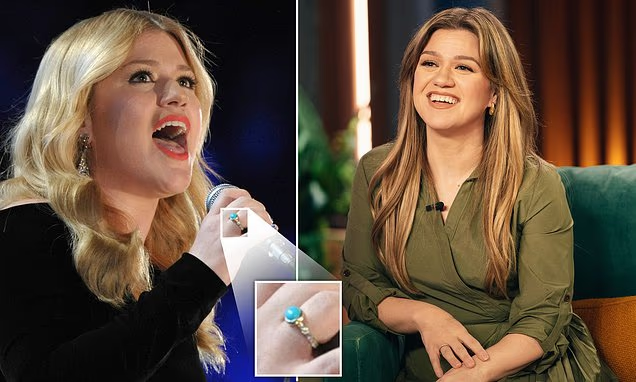
A dispute involving an expensive singing bird, a small business, and a high-profile celebrity has sparked a wider conversation about consumer complaints, public criticism, and the power of fame. Vogue Williams has reportedly criticised Kelly Clarkson over allegations that the American singer publicly identified a small business during a disagreement involving a bird said to be worth £11,000.
The controversy has drawn attention to a difficult question: when a customer feels disappointed with a purchase, is it fair to name a business publicly, particularly when the customer has a large platform and the business has comparatively limited resources?
For celebrities, speaking openly about a frustrating experience can be a way to explain their side of a dispute. For small-business owners, however, public criticism from a famous customer can have consequences far beyond an ordinary complaint. A social media post or widely circulated comment can quickly attract thousands of responses, potentially affecting a company’s reputation before all the facts are known.
Williams’ reported intervention has added another perspective to the debate. The discussion is no longer simply about the price of a singing bird or the circumstances of a particular transaction. It has become a conversation about accountability, fairness, and whether public figures should handle disagreements differently from other customers.
However, the precise details of the reported dispute, including the parties’ accounts and the circumstances behind Williams’ comments, require independent confirmation. Without verified statements, it would be premature to treat every allegation surrounding the disagreement as established fact.
What Is the Reported £11,000 Singing Bird Dispute?
The controversy centres on a singing bird reportedly valued at approximately £11,000, a substantial amount for an animal that might otherwise be associated with an ordinary household pet.
Specialist birds can command high prices depending on their species, breeding history, vocal abilities, rarity, and reputation. Some are valued for their distinctive songs, while others are sought after by enthusiasts who have spent years learning about particular breeds and their care requirements.
The price of an individual bird may also reflect the breeder’s experience, the bird’s lineage, and the demand within a specialist market. Nevertheless, a high price does not automatically guarantee that a buyer will be satisfied with the purchase.
Disagreements can arise over an animal’s health, behaviour, documentation, suitability, or the expectations established before a transaction. They may also involve different understandings of what was promised and what the buyer ultimately received.
In a dispute involving an expensive singing bird, the central questions would include what the seller represented, what the buyer expected, and whether the terms of the transaction were clearly understood by both parties.
If the disagreement becomes public, those questions can become harder to answer objectively. Social media users may form opinions based on a limited account of events, while the business involved may face pressure to respond.
That is why it is important to establish the original facts before drawing conclusions about who was responsible for the disagreement.
Why Vogue Williams Has Reportedly Questioned Kelly Clarkson’s Approach
Vogue Williams is known for her work in television, radio, podcasting, and entertainment. Her reported criticism of Clarkson focuses on the potential consequences of publicly identifying a small business during a dispute.
The phrase “naming and shaming” describes a situation in which a person identifies an individual or organisation while criticising its actions, often in a way that encourages public scrutiny.
For supporters of this approach, public criticism can be an effective way to draw attention to a problem when ordinary attempts to resolve it have failed. A customer may feel that speaking publicly is the only way to obtain a response or warn other potential buyers.
Critics, however, argue that the practice can be disproportionate when the person making the complaint has an enormous audience. A celebrity’s comments can reach far beyond the original disagreement, exposing a small company to negative attention before it has had an opportunity to explain its position.
Williams’ reported stance reflects this concern. The issue is not necessarily whether a customer has the right to complain, but whether identifying a business publicly is the fairest or most constructive way to resolve a disagreement.
A private complaint, a formal request for a remedy, or an independent dispute-resolution process may sometimes provide a more balanced route. In other circumstances, public disclosure may be justified, particularly when there is credible evidence of serious misconduct or repeated unresolved problems.
The circumstances matter, and the appropriate response depends on the facts rather than the celebrity status of the people involved.
Kelly Clarkson and the Responsibilities of Celebrity Influence
Kelly Clarkson rose to international fame after winning the first season of American Idol in 2002. Since then, she has established a successful music career and become a familiar television personality through projects including The Kelly Clarkson Show.
Her public profile means that comments attributed to her can attract significant attention. When a celebrity discusses a disagreement with a business, even a seemingly ordinary complaint can become a major entertainment story.
This influence can be useful. Public figures may draw attention to legitimate consumer concerns, highlight unfair treatment, or encourage companies to respond to problems that might otherwise go unnoticed.
However, a large audience also creates responsibility. A small business may not have the resources to manage a sudden surge of online criticism, answer thousands of comments, or correct inaccurate claims circulating on social media.
The imbalance becomes particularly significant when a dispute involves competing accounts. Followers may instinctively support the celebrity they recognise, even when they have not seen the relevant correspondence, transaction documents, or the business’s response.
That does not mean celebrities should remain silent whenever they experience a problem. They have the same legitimate interest in seeking a remedy as other customers.
The challenge is to communicate concerns accurately and proportionately, allowing room for the facts to emerge without encouraging unnecessary hostility towards the other party.
In any reported dispute, Clarkson’s own verified statements and the business’s response would be essential to understanding what happened.
Why Public Complaints Can Have Serious Consequences for Small Businesses
For a large company, negative publicity may be absorbed by an established communications team, a substantial marketing budget, and a broad customer base. A small business often operates under very different conditions.
A single public controversy can affect customer confidence, online reviews, future enquiries, and relationships with suppliers. Even if the original disagreement concerns only one transaction, the consequences may spread across the business.
This is especially true when a complaint comes from someone with a large social media following or a prominent position in entertainment.
The public may interpret the celebrity’s account as authoritative, even when it represents only one side of a disagreement. Once a strong narrative takes hold, correcting misunderstandings can become difficult.
Small-business owners may also face practical challenges when responding publicly. They must consider customer confidentiality, contractual obligations, and the risk that a detailed reply could intensify the dispute.
At the same time, businesses should not be shielded from legitimate criticism simply because they are small. Consumers have a valid interest in sharing honest experiences and raising concerns about potentially unfair practices.
The distinction lies between a factual, proportionate complaint and a campaign that encourages hostility before the relevant information has been established.
A fair approach gives both parties an opportunity to explain their positions and avoids treating online popularity as a substitute for evidence.
The Role of Social Media in Celebrity Consumer Disputes
Social media has transformed the way people complain about products and services. In the past, an unhappy customer might have contacted a company directly, written a formal letter, or submitted a complaint to a consumer organisation.
Today, a public post can attract immediate attention from followers, journalists, and other users. A dispute that began with a single purchase can quickly become a widely discussed story.
Celebrity involvement accelerates that process. A well-known person’s comments may be reposted across several platforms, while entertainment outlets turn the disagreement into a larger discussion about money, fairness, and personal responsibility.
This visibility can sometimes help resolve problems. A company may respond more quickly when a complaint becomes public, and other customers may share relevant experiences that help clarify a wider issue.
But the same process can also produce misinformation. Short clips, partial screenshots, and summaries may leave out important context, while users may repeat allegations without checking whether they have been substantiated.
The result can be a cycle in which the most emotionally compelling version of a story spreads faster than a careful explanation.
The reported singing bird dispute illustrates why audiences should distinguish between an allegation, a verified fact, and an opinion about how someone handled a disagreement.
Is Naming and Shaming Ever Justified?
There is no universal answer to whether public criticism is appropriate. The decision depends on the nature of the complaint, the evidence available, and the steps already taken to resolve the problem.
If a customer has credible evidence of serious wrongdoing and reasonable attempts to obtain a response have failed, public disclosure may serve a legitimate purpose. It may warn others about a genuine risk or encourage a company to address a problem.
However, if the facts are disputed or the complaint concerns a misunderstanding, immediately identifying a small business to a large audience may create consequences that are difficult to reverse.
Several considerations can help make a complaint more responsible.
First, the person raising the concern should distinguish direct experience from assumptions. Second, any public statement should avoid exaggeration and unsupported allegations. Third, the other party should have a reasonable opportunity to respond where appropriate.
It can also be useful to consider whether a private resolution, mediation, or a formal consumer complaint would be more effective than public confrontation.
These principles apply to celebrities and ordinary customers alike. The difference is that a famous person’s reach can magnify the consequences considerably.
The central issue is not whether public figures should be allowed to complain. It is whether their approach is fair to everyone involved.
What the Controversy Says About Celebrity Culture
The reported disagreement has attracted attention partly because it brings together two very different worlds: celebrity entertainment and the specialised market for expensive animals.
It also reflects a broader public fascination with disputes involving wealthy or famous people. Audiences often want to know whether a celebrity received fair treatment, whether a business acted appropriately, and whether the response to a disagreement was proportionate.
Williams’ reported criticism introduces another layer by questioning the power imbalance between a famous customer and a small business.
That perspective may resonate with people who have watched online complaints grow into major controversies. It also encourages a more careful distinction between holding businesses accountable and using public attention in a way that could unfairly damage them.
Ultimately, the most useful discussion focuses on evidence, proportionality, and the possibility of resolving disagreements constructively.
Conclusion: A Dispute That Raises Questions About Fairness and Responsibility
The reported £11,000 singing bird row involving Kelly Clarkson has prompted a wider discussion about celebrity influence, consumer rights, and the consequences of publicly identifying a small business.
Vogue Williams’ reported criticism highlights the concern that a famous person’s complaint can have a disproportionate impact on a company with limited resources. At the same time, customers—including celebrities—should be able to raise genuine concerns and seek fair treatment.
The key is to establish the facts and consider whether public criticism is proportionate to the problem. A celebrity’s audience should not determine whose account is accepted, just as a small business’s size should not prevent legitimate complaints from being investigated.
Until the details of the reported disagreement and the statements attributed to those involved are independently confirmed, conclusions about the conduct of either party should remain cautious.
The broader lesson is clear: in an era when a single post can become a national story, public criticism carries real consequences. Used responsibly, it can encourage accountability. Used without sufficient context, it can turn a private disagreement into a public controversy before the facts have had a chance to emerge.