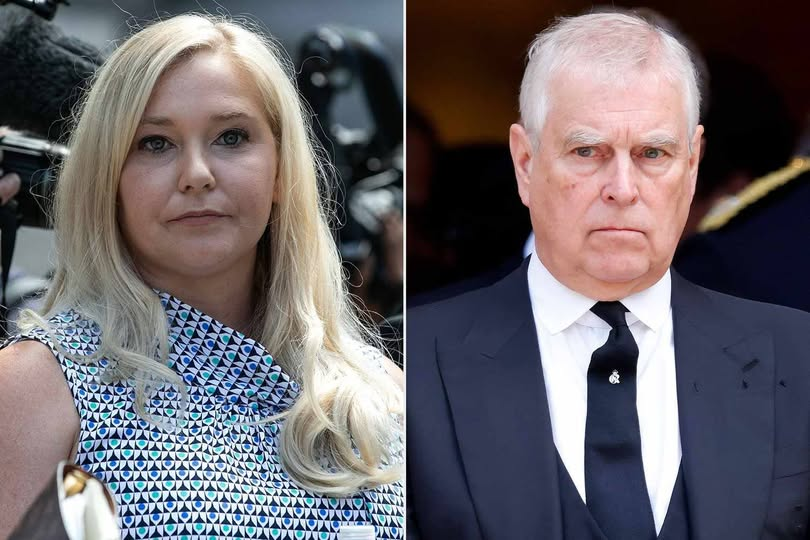
Former Prince Andrew is reportedly facing renewed legal attention after claims emerged that he had been served with a summons requesting his evidence in connection with a fraud trial. The development has attracted considerable interest because of Andrew’s long-standing connections to prominent international figures, his former position within the British royal family, and the controversies that have surrounded his public life in recent years.
Although the precise circumstances and legal implications of the reported summons require careful verification, the possibility of Andrew being called to provide evidence in a fraud-related case has raised questions about what he may know, why his testimony could be relevant, and whether the situation could create another difficult chapter for the former Duke of York.
Andrew, who has faced years of intense public scrutiny, has gradually disappeared from many traditional royal settings. However, his name continues to attract headlines whenever new developments emerge involving his personal associations, financial connections, or past activities.
For the British royal family, any renewed controversy involving Andrew could also bring uncomfortable attention to an institution that has spent considerable time trying to protect its reputation and maintain public confidence.
Former Prince Andrew Reportedly Faces a Legal Summons
Reports that Andrew has been served with a summons to give evidence in a fraud trial have generated questions about the nature of the legal proceedings and the potential significance of his involvement.
A summons requesting someone to provide evidence does not automatically mean that the individual is accused of committing a crime. Witnesses can be called because they may possess information relevant to a particular case, have knowledge of individuals involved, or be able to clarify events surrounding disputed transactions.
This distinction is particularly important in Andrew’s situation.
His international activities and previous connections with influential businesspeople and political figures have been documented extensively over the years. Those relationships could potentially make his knowledge relevant to investigations involving financial dealings or alleged fraudulent conduct.
However, being asked to give evidence should not be confused with being charged with fraud or formally accused of wrongdoing in the proceedings.
Until verified court documents or official statements establish the exact circumstances, the reported development should be treated with caution.
Nevertheless, the possibility of Andrew becoming involved in another high-profile legal matter is likely to attract significant media attention.
Why Prince Andrew’s Past Connections Continue to Attract Attention
One reason developments involving Andrew receive such widespread coverage is his former position as a senior member of the British royal family.
For many years, he represented the monarchy at official engagements and undertook international responsibilities. His role included promoting British interests overseas and developing relationships with influential individuals across business, diplomacy, and government.
His position provided access to networks that extended far beyond Britain.
These connections have become an important part of the public discussion surrounding his later controversies.
Questions about his associations with wealthy individuals and international business figures have repeatedly placed his judgment under scrutiny.
In particular, his relationship with convicted sex offender Jeffrey Epstein created a major reputational crisis.
Andrew has consistently faced questions about the nature of that relationship and the circumstances surrounding his past interactions with Epstein.
Although the reported fraud-trial summons is a separate matter unless official proceedings establish a direct connection, the history surrounding Andrew means that any new legal development is likely to be examined particularly closely.
Understanding What a Summons to Give Evidence Actually Means
Legal terminology can sometimes create confusion, especially when a prominent public figure becomes involved in court proceedings.
A summons to give evidence is generally a formal legal request requiring an individual to attend court or otherwise provide testimony, depending on the jurisdiction and the nature of the order.
It is different from an arrest warrant, criminal charge, or finding of guilt.
A person summoned as a witness may be asked questions about events, documents, financial transactions, communications, or relationships relevant to the case.
The purpose is to help the court establish the facts and evaluate the evidence presented by the parties.
In a fraud trial, witnesses can be particularly important because financial misconduct cases often involve complicated transactions, multiple participants, and extensive documentary records.
Individuals with knowledge of the parties or circumstances may be asked to explain how particular arrangements were established or what they understood about certain activities.
If Andrew is indeed required to provide evidence, the significance of his appearance would depend on the specific questions involved and the information he may be able to offer.
It would not, by itself, establish any wrongdoing on his part.
The Continuing Controversy Surrounding Andrew’s Public Life
Andrew’s reputation has undergone a dramatic transformation over the past several years.
Once considered one of the most prominent younger members of the royal family, he stepped back from public royal duties in 2019 following intense criticism surrounding his association with Epstein and a controversial television interview.
The interview, broadcast by the BBC, was intended to address questions about his relationship with Epstein and allegations made against him.
Instead, it generated further criticism and became a defining moment in the deterioration of his public standing.
In 2022, Queen Elizabeth II removed his remaining military affiliations and royal patronages, and he ceased using his His Royal Highness style in an official capacity.
Andrew also reached a civil settlement with Virginia Giuffre in 2022 in a lawsuit alleging sexual assault. He denied the allegations, and the settlement did not constitute an admission of liability.
These developments fundamentally changed his position within the monarchy.
Although he has remained a member of the royal family, his public role has become significantly more limited.
Any additional legal controversy therefore arrives against a background of already damaged public confidence.
King Charles Faces Another Difficult Royal Challenge
For King Charles III, renewed scrutiny involving his brother could present another challenge in managing the monarchy’s public image.
Since becoming king, Charles has emphasized the importance of a more streamlined monarchy, with a focus on official responsibilities, public service, and institutional stability.
The royal family has faced numerous challenges during his reign, including health concerns, family disagreements, and ongoing public interest in Andrew’s circumstances.
Although Andrew no longer performs official royal duties, his family connections mean that controversies involving him can still create reputational difficulties for the institution.
The King has generally maintained a cautious public approach to discussions surrounding his brother.
Any confirmed legal development could therefore raise questions about whether Buckingham Palace will issue a statement, whether Andrew will respond personally, and how the situation might affect the wider royal family.
However, it is important to remember that legal proceedings involving an individual do not automatically involve the monarchy as an institution.
The court process and the royal family’s official responsibilities remain separate matters.
Could Andrew’s Testimony Reveal Important Financial Details?
If the reported summons is confirmed, attention will naturally turn to what Andrew may be asked to explain.
Fraud cases can involve complex financial arrangements, and witnesses may be called to provide information about business relationships, meetings, communications, or agreements.
Given Andrew’s previous international activities, questions about his professional and personal connections could become relevant depending on the subject of the trial.
However, without verified details about the case, it would be premature to speculate about the identities of those involved or the evidence that might be presented.
The most important questions are likely to concern the legal basis for requesting his testimony, the specific issues the court wants clarified, and whether he has firsthand knowledge of the events under investigation.
If he does appear, his evidence would be assessed according to the same legal standards that apply to other witnesses.
His former royal status would not automatically make his testimony more or less significant.
Ultimately, the value of any evidence would depend on its relevance, reliability, and consistency with the other material presented to the court.
Why the British Public Is Watching Closely
Public interest in Andrew’s latest reported legal development reflects a wider fascination with the relationship between royal privilege, accountability, and public responsibility.
Members of the British royal family occupy a unique position in national life. Although they do not hold ordinary elected political offices, their activities are frequently scrutinized because of their public roles and historical influence.
Andrew’s situation has become particularly controversial because of the contrast between his former status and his subsequent loss of official responsibilities.
For some observers, the reported summons raises questions about accountability and whether influential individuals should face the same legal obligations as everyone else.
For others, the central concern is simply establishing the facts before drawing conclusions.
That distinction is essential.
Legal proceedings should be understood through verified evidence rather than speculation, particularly when a person’s reputation and potential legal responsibilities are involved.
What Happens Next for Former Prince Andrew?
The next stage will depend on whether the reported summons is confirmed and what the relevant court requires.
If Andrew has received a valid legal summons, he may be required to comply with the applicable procedures. The precise obligations will depend on the jurisdiction, the type of summons, and any relevant legal grounds for responding to it.
Any subsequent testimony could provide further clarity about why his involvement was considered necessary.
It remains equally important to distinguish between being called as a witness and being investigated as a suspect.
Until additional verified information becomes available, there is no basis for assuming that the reported summons means Andrew faces a new fraud charge.
Another Chapter in Andrew’s Complicated Story
Former Prince Andrew has spent several years attempting to remain outside the center of public royal life, but his past associations and controversies continue to follow him.
The reported summons connected to a fraud trial could become another significant development, particularly if his testimony provides information relevant to a wider legal dispute.
For King Charles and the rest of the royal family, the situation may also revive difficult questions about reputation, responsibility, and the long-term consequences of Andrew’s previous decisions.
For now, the most important issue is determining exactly what the reported legal request involves.
A summons to give evidence is not proof of wrongdoing, and any conclusions must depend on verified court information.
Nevertheless, the story has once again placed Andrew under the spotlight, reminding royal observers that even after stepping away from official duties, his personal and legal circumstances can continue to have consequences for the wider public conversation surrounding the British monarchy.