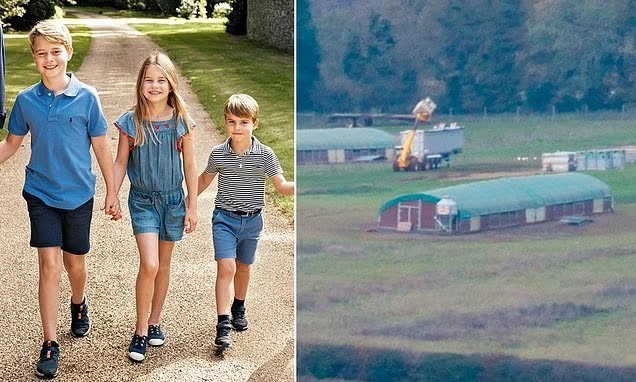
Prince George, Princess Charlotte and Prince Louis may have to change one of their favorite family routines as new bird flu restrictions take effect across England. The three royal children, who are said to enjoy helping care for their family’s chickens at Anmer Hall in Norfolk, are facing a new set of precautions following a concerning outbreak of avian influenza close to the Prince and Princess of Wales’s country residence.
The development comes after highly pathogenic avian influenza H5N1 was confirmed at a commercial poultry premises near Dersingham, in Norfolk. The outbreak has prompted disease-control measures, including a protection zone around the affected premises, while the UK government has introduced tougher nationwide requirements designed to prevent the virus from spreading further.
For George, Charlotte and Louis, the news could mean spending less time watching their chickens roam outdoors and more time helping care for them in a protected environment. What has previously been a simple and enjoyable part of family life may now require additional attention to hygiene, housing and biosecurity.
Although the new measures are not royal-specific rules, the proximity of the outbreak to the family’s Norfolk home has made the situation particularly relevant to the Wales family.
Bird Flu Outbreak Near Anmer Hall Raises Concern
Anmer Hall, the Norfolk country residence of Prince William and Princess Catherine, is located on the Sandringham estate. The property provides the family with a quieter setting away from the demands of their official royal duties and their London home.
The area has now attracted attention following the confirmation of H5N1 in commercial poultry near Dersingham, King’s Lynn and West Norfolk. The affected poultry premises are reported to be less than a mile from Anmer Hall, bringing the outbreak unusually close to the family’s private surroundings.
According to reports, infected and exposed birds at the affected premises have been subject to disease-control action, including culling. A three-kilometre protection zone has also been established around the infected premises.
The proximity of the outbreak is particularly concerning for anyone keeping domestic poultry nearby. Chickens can become infected through contact with infected birds or contaminated environments, including surfaces, feed and water exposed to wild bird droppings.
For the Wales family, the priority will be protecting their own flock and following the official guidance that applies to bird keepers in the area.
Prince George, Princess Charlotte and Prince Louis Love Helping With the Chickens
The royal children’s interest in animals has long been part of the public’s picture of their family life.
George, Charlotte and Louis have reportedly helped raise a small flock of chickens from chicks and enjoy collecting eggs from the henhouse. The activity offers them a chance to experience everyday responsibilities that are quite different from their formal royal engagements.
Collecting eggs, checking food and water, and spending time around animals can be valuable experiences for children. Caring for chickens also introduces them to the routines involved in looking after living creatures, from providing a suitable environment to making sure the animals remain healthy.
For the three siblings, the flock has reportedly become a familiar part of life at Anmer Hall. The chickens provide a connection to the countryside and a simple family activity that does not involve cameras, official appearances or royal ceremonies.
However, the bird flu outbreak means that their usual routine may need to change.
Rather than allowing the chickens to move freely around an outdoor area, the family may need to ensure that the birds are protected from contact with wild birds and potentially contaminated surroundings. Depending on the precise restrictions applying to their premises, this could involve keeping them in suitable covered accommodation or a protected enclosure.
The changes may seem small, but they are an important part of preventing the disease from reaching healthy flocks.
New Bird Flu Rules Affect Poultry Keepers Across England
The outbreak comes as the UK government introduces a new national housing order.
Announced by the Department for Environment, Food and Rural Affairs on November 11, 2026, the order took effect across England from 00:01 on November 13. It requires poultry and captive birds to be housed when keepers have 50 or more birds, or when they sell or give away eggs, poultry products or live birds. Certain exceptions apply.
Importantly, smaller backyard flocks are not automatically subject to the same nationwide housing requirement if the birds are kept solely for the owner’s use and their eggs or meat are not sold or given away. However, all bird keepers in England, including people with only a few pet chickens, must follow enhanced biosecurity requirements under the Avian Influenza Prevention Zone.
That distinction is important for understanding what the new rules mean for the royal family’s chickens. The headline-grabbing restrictions do not mean that every small household flock across England must automatically be kept indoors. Local disease-control zones can impose additional requirements, and keepers must follow the rules that apply to their specific location.
The government’s enhanced biosecurity measures include cleaning and disinfecting footwear, clothing, equipment and vehicles before and after contact with birds. Keepers must also regularly clean poultry housing, control vermin and reduce opportunities for wild birds to come into contact with domestic flocks.
Feed and water should be protected from wild birds, while access to ponds and other watercourses must be prevented where required.
These precautions are designed to reduce the possibility of the virus moving from wild birds into domestic poultry populations.
Why Keeping Chickens Away From Wild Birds Matters
Avian influenza, commonly known as bird flu, is a highly contagious viral disease that can affect many bird species. Highly pathogenic strains such as H5N1 can cause severe illness and significant losses in poultry flocks.
Wild birds can play an important role in the spread of avian influenza. The virus may be introduced into domestic environments through contaminated droppings, feathers, water or other materials.
That is why preventing contact between wild birds and backyard chickens is such an important part of the current precautions.
A chicken coop that appears clean may still be exposed to contamination if wild birds can enter the enclosure, land on feeding equipment or reach uncovered water sources. Even indirect contact can create opportunities for infection.
For families keeping chickens as pets, the outbreak is a reminder that caring for poultry involves more than providing food, water and shelter. Good hygiene and regular monitoring are also essential.
Keepers should watch their birds closely for signs of illness and report suspected cases to the relevant authorities. Sudden deaths, unusual behavior, reduced egg production or changes in general health should not be ignored.
The government has emphasized that robust biosecurity is one of the most effective ways to reduce the risk of avian influenza spreading among kept birds.
What the New Restrictions Could Mean for the Royal Children’s Routine
Although the Wales family has not publicly announced a detailed change to the children’s chicken-keeping routine, the outbreak is likely to make everyday poultry care more structured.
If the family’s flock is subject to housing requirements or local disease-control restrictions, the chickens may need to remain inside suitable accommodation or in a protected area until the relevant measures are lifted.
That could mean fewer opportunities for George, Charlotte and Louis to watch their birds roaming around the garden. Collecting eggs may also require additional hygiene precautions, particularly when children are involved.
The most important consideration is animal welfare. Keeping chickens in a more enclosed environment should not mean leaving them in cramped or poorly ventilated conditions.
Official guidance recommends providing housed birds with enough space, natural light, suitable ventilation, fresh water, dry bedding and opportunities for activity. Keepers should also check their birds more than once a day to ensure they remain healthy and comfortable.
For the royal family, these measures would be part of maintaining the flock’s welfare while following public health and animal-health requirements.
The situation may be disappointing for the children if their usual outdoor routine has to be paused, but protecting the animals will naturally take priority.
The Bird Flu Risk to People Remains Very Low
While the outbreak has understandably raised concerns among poultry keepers, official advice is that the current risk to human health from avian influenza remains very low.
Bird flu is primarily an animal disease, and human infections are rare in the United Kingdom. The greatest concern is generally associated with close or unprotected contact with infected birds or contaminated environments.
The UK Health Security Agency continues to monitor the situation, while animal-health authorities are working to contain outbreaks and prevent further transmission.
Food safety concerns have also been addressed by the government. Properly cooked poultry and poultry products, including eggs, remain safe to eat.
For families with backyard chickens, the key message is to avoid unnecessary contact with potentially infected birds, maintain good hygiene and follow official instructions.
The restrictions are precautionary measures intended to protect poultry populations, rather than an indication that ordinary contact with healthy domestic birds presents an immediate danger to the public.
A Quiet Change for George, Charlotte and Louis
For Prince George, Princess Charlotte and Prince Louis, the bird flu outbreak may bring an unexpected change to one of their quieter family activities.
Their chickens have reportedly been part of their life at Anmer Hall, offering the children an opportunity to enjoy caring for animals and experiencing the responsibilities of country living. Now, with H5N1 confirmed close to the Sandringham estate, protecting the flock has become more important than ever.
The new restrictions are part of a wider national effort to protect domestic birds from a serious and highly contagious disease. They apply to poultry keepers across England, not just members of the Royal Family, and the precise housing requirements depend on flock size, purpose and local disease-control rules.
For the Wales children, the changes may mean temporarily adjusting how they spend time with their beloved chickens. But the wider message is clear: during an outbreak, careful animal care, strong biosecurity and patience are essential.
While royal fans may be curious about how the family adapts to the new rules, the most important outcome will be keeping the chickens safe and healthy until the threat from bird flu has eased.