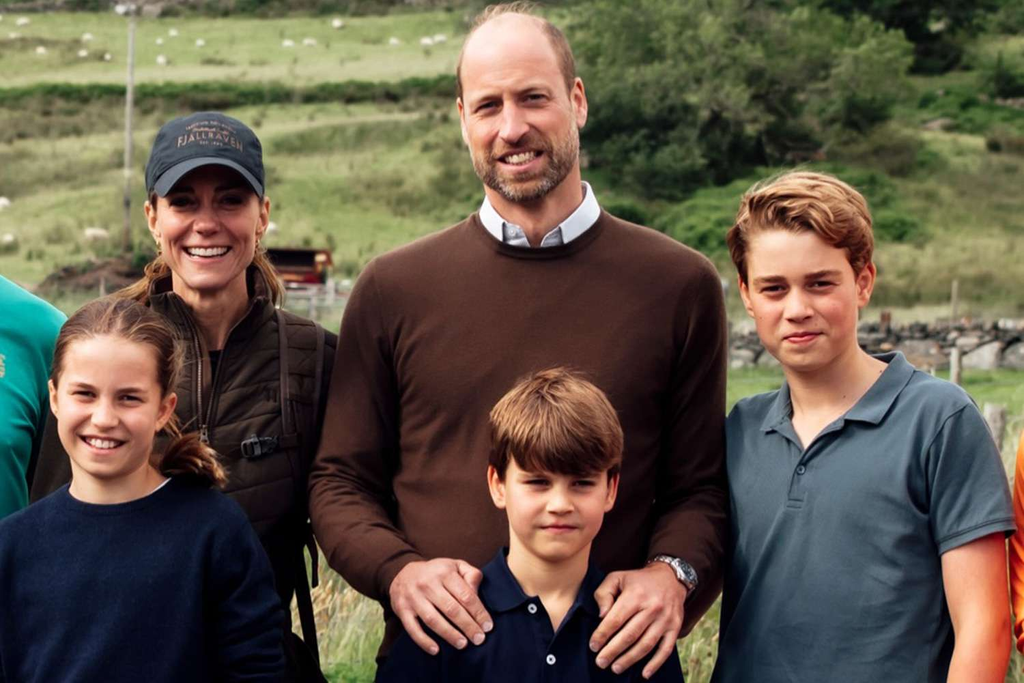
Kate Middleton has offered a touching glimpse into her approach to motherhood, revealing the important reminder she gives herself while raising her three children, Prince George, Princess Charlotte, and Prince Louis. Despite her demanding responsibilities as a senior member of the British royal family, the Princess of Wales has consistently shown that her role as a mother remains one of the most meaningful parts of her life.
Behind the royal engagements, official appearances, and public expectations, Kate is a mother navigating many of the same challenges faced by parents everywhere. From supporting her children’s emotional development to making time for family conversations, she has frequently emphasized the importance of understanding what young children need as they grow.
Her latest reflections offer another reminder that even within the extraordinary circumstances of royal life, the fundamentals of parenting remain remarkably familiar. Kate’s approach centers on patience, communication, emotional connection, and remembering that children need space to express themselves.
For royal watchers, her comments also provide a fascinating insight into how the future queen balances motherhood with preparing George, Charlotte, and Louis for their unique positions within the monarchy.
Kate Middleton’s Important Reminder as a Mother of Three
Raising three children while carrying out the responsibilities associated with being the Princess of Wales is no ordinary task. Kate and Prince William must balance their official duties with school schedules, family commitments, public appearances, and the everyday demands of parenting.
However, Kate has repeatedly demonstrated that she wants her children to enjoy as normal a childhood as possible.
One of the central ideas behind her parenting philosophy is the importance of listening to children and understanding their feelings rather than simply focusing on their behavior.
Children experience a wide range of emotions as they develop. They can become frustrated, excited, disappointed, or overwhelmed, sometimes without having the words to explain exactly what they are experiencing.
For parents, remembering to pause, listen, and respond with patience can make a significant difference.
Kate’s public work surrounding early childhood development has also demonstrated her interest in how experiences during the earliest years shape a person’s future.
Through her work with The Royal Foundation Centre for Early Childhood, she has consistently highlighted the importance of nurturing environments, supportive relationships, and emotional well-being.
These principles are especially relevant to her own family life.
Although George, Charlotte, and Louis are growing up in extraordinary circumstances, they still need the reassurance, attention, and encouragement that every child deserves.
Prince George, Princess Charlotte and Prince Louis Come First
Kate and William have three children with increasingly different personalities, interests, and responsibilities.
Prince George, born in July 2013, is the eldest and occupies a unique position as the future king. As he grows older, he is gradually becoming more aware of the monarchy and the responsibilities that may eventually come with his position.
Princess Charlotte, born in May 2015, has developed a confident public presence. She is frequently praised for her composure during royal appearances, although her parents are careful to allow her to enjoy childhood away from public attention.
Prince Louis, born in April 2018, is the youngest member of the family. His energetic personality and playful behavior have often attracted attention during official events.
Despite their different ages and personalities, Kate and William appear committed to ensuring that all three children feel equally supported.
This means recognizing that what works for George may not necessarily work for Charlotte or Louis.
The eldest child may require different conversations about responsibility and growing independence, while younger siblings may need additional encouragement as they develop their own interests.
For Kate, understanding those individual differences is an important part of building a strong family environment.
Rather than treating the children simply as future representatives of the monarchy, she and William want them to develop their own identities.
Why Kate Middleton Places So Much Importance on Emotional Well-Being
Kate’s interest in children’s emotional development has been a defining feature of her public work for several years.
In 2021, she launched The Royal Foundation Centre for Early Childhood, an initiative focused on increasing awareness of the importance of the first five years of life.
The organization promotes research and collaboration designed to help society better understand how early experiences influence future development.
Its work is based on an important idea: the relationships and environments children experience during their earliest years can have a lasting impact on their emotional and social well-being.
For Kate, this subject is not simply an area of professional interest. It connects directly with her experiences as a mother.
She has spoken publicly about the importance of giving children the emotional foundations they need to develop confidence, resilience, and healthy relationships.
Parents often face pressure to ensure their children succeed academically, socially, and professionally. However, Kate’s approach encourages a broader understanding of childhood.
Children also need opportunities to feel safe, understood, and accepted.
They need adults who are willing to listen when something is wrong and celebrate their achievements without placing unrealistic expectations on them.
These principles are particularly meaningful for George, Charlotte, and Louis, whose childhoods inevitably attract public curiosity.
Prince William and Kate’s Efforts to Give Their Children a Normal Childhood
Although George, Charlotte, and Louis are members of the royal family, their parents have repeatedly emphasized the importance of maintaining familiar family routines.
Kate and William have spoken about the value of spending time together at home, enjoying outdoor activities, and allowing the children to participate in everyday experiences.
The family is known to enjoy outdoor pursuits, including walking, playing sports, and spending time in nature.
Such activities offer children opportunities to develop independence while strengthening their relationships with their parents and siblings.
William has also spoken about how important it is to create a supportive family environment, particularly as the children begin to understand their future responsibilities.
The Prince and Princess of Wales have made efforts to protect their children’s privacy, carefully managing when and how they appear in public.
Their approach reflects a desire to separate family life from royal duties whenever possible.
School life is another important part of that balance.
George, Charlotte, and Louis attend school together at Lambrook School in Berkshire, allowing them to share certain experiences despite their different ages.
For Kate and William, education is not only about academic achievement. It is also about friendships, confidence, curiosity, and learning how to interact with others.
These ordinary experiences can help children develop the skills they will need throughout their lives.
How Kate Balances Royal Responsibilities With Motherhood
Kate’s position requires her to attend major public events, support charitable organizations, undertake official engagements, and represent the monarchy alongside Prince William.
Her schedule can be demanding, particularly during periods involving international visits or significant royal occasions.
However, motherhood has remained an important priority.
The Princess of Wales has previously spoken about the challenges of parenting and the emotional complexity of raising young children.
She has also acknowledged that motherhood can be overwhelming, even for people who appear to have considerable support and resources.
This willingness to discuss the less glamorous aspects of parenting has helped make her relatable to many families.
Royal life may involve extraordinary privileges, but it does not eliminate the everyday uncertainties that come with raising children.
Parents still worry about whether they are making the right decisions, whether their children feel understood, and whether they are spending enough meaningful time together.
Kate’s approach suggests that she values the quality of family interactions rather than simply the amount of time spent together.
Even small moments, such as conversations at home, shared activities, or helping children work through difficult emotions, can contribute to a strong relationship.
The Different Challenges of Raising a Future King and His Siblings
One of the most unusual aspects of Kate’s parenting journey is raising Prince George, who is second in line to the British throne.
Unlike most children his age, George is gradually being introduced to the constitutional and ceremonial responsibilities associated with his future position.
His parents must therefore find a balance between preparing him for the future and protecting his childhood in the present.
William understands this challenge particularly well because he experienced a similar upbringing as the eldest son of King Charles III.
He has previously spoken about wanting to give his children a different experience of royal life, one that allows them to develop confidence and understanding without feeling unnecessarily restricted by tradition.
Charlotte and Louis also face unique circumstances.
Although they do not share George’s immediate position in the line of succession, they remain important members of the royal family.
Their parents will need to help them understand their individual roles while ensuring that they are not defined entirely by their relationship with the future king.
Kate’s emphasis on emotional understanding and individual development could prove particularly valuable as all three children approach their teenage years.
Kate Middleton’s Message to Parents Goes Beyond the Palace
One reason Kate’s comments about parenting attract so much interest is that her message extends beyond royal life.
Her work on early childhood development has consistently emphasized principles that can apply to families from different backgrounds.
Listening to children, recognizing their emotions, building secure relationships, and allowing them to develop at their own pace are important parts of healthy parenting.
These ideas may sound simple, but they can be difficult to practice consistently.
Busy schedules, work commitments, financial pressures, and everyday responsibilities can make it challenging for parents to give children their full attention.
Kate’s public advocacy encourages adults to recognize that small interactions can have a lasting influence.
A reassuring conversation, a moment of encouragement, or simply allowing a child to explain how they feel can help establish trust.
Her work also challenges the idea that childhood development is solely the responsibility of individual parents.
Schools, communities, healthcare professionals, and wider society all have important roles in creating environments where children can thrive.
Through her early childhood initiative, Kate has sought to encourage greater awareness of these shared responsibilities.
A Family Philosophy That Could Shape the Future of the Monarchy
As Prince George, Princess Charlotte, and Prince Louis continue growing up, the parenting choices made by Kate and William will inevitably attract attention.
Their childhood experiences may influence how the next generation of the royal family approaches public responsibilities, family relationships, and the changing expectations of modern monarchy.
Kate’s emphasis on emotional well-being offers a glimpse into the values she hopes to encourage in her children.
Rather than focusing exclusively on titles, traditions, and future positions, she appears committed to helping them become confident, compassionate, and emotionally secure individuals.
This approach also reflects a broader shift in how the monarchy presents itself.
Modern royal life requires public figures to connect with people in more personal and relatable ways. The emphasis on family, mental well-being, and childhood development reflects issues that matter to families across the United Kingdom and beyond.
For Kate, these subjects are not separate from her royal responsibilities. They are an important part of the work she hopes to continue throughout her public life.
Why Kate Middleton’s Parenting Approach Continues to Inspire Attention
Kate Middleton’s reflections on motherhood offer a valuable reminder that parenting is an ongoing learning experience.
Even with the support available to the Prince and Princess of Wales, raising three children with different personalities and needs requires patience, flexibility, and understanding.
Her commitment to emotional development, early childhood education, and strong family relationships suggests that she wants George, Charlotte, and Louis to grow up feeling supported rather than defined by public expectations.
As the children get older, their individual personalities and responsibilities will continue to evolve.
George will gradually learn more about his future role, Charlotte will develop her own path within the family, and Louis will discover his interests as the youngest sibling.
Through every stage, Kate’s approach highlights one essential parenting principle: children need to know that they are loved, heard, and understood.
Ultimately, the Princess of Wales may hold one of the most prominent positions in the British monarchy, but her most important responsibility remains deeply personal.
For Kate Middleton, raising Prince George, Princess Charlotte, and Prince Louis is not simply about preparing the next generation of the royal family. It is about giving three children the confidence, emotional security, and freedom to become the best versions of themselves.