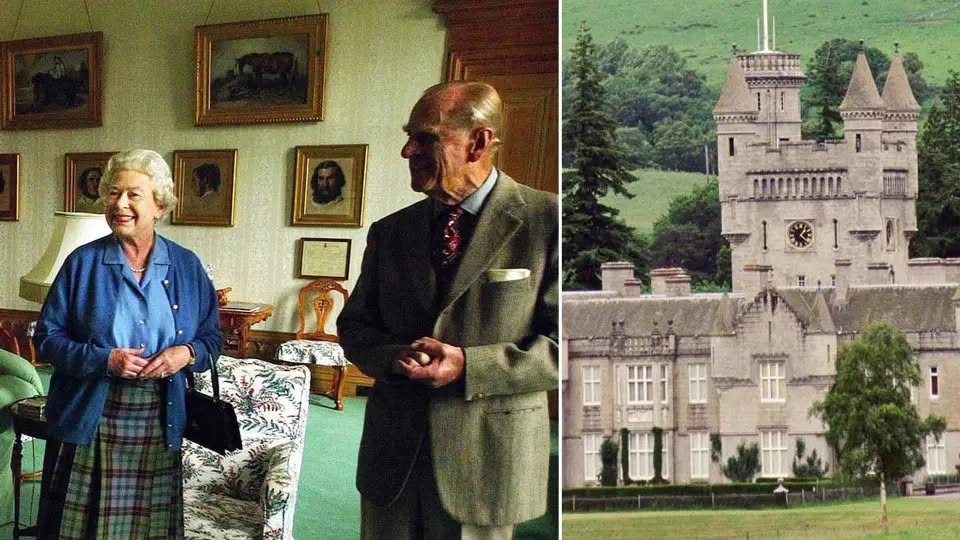
Queen Elizabeth II spent much of her extraordinary life carrying out royal duties, travelling around the world and representing the British monarchy through decades of enormous change. Yet, away from the crowds, official ceremonies and constant demands of the Crown, there was one place where the late monarch could enjoy a quieter and more personal existence: Balmoral Castle in the Scottish Highlands.
The magnificent royal estate held a particularly special place in Elizabeth’s heart. Surrounded by dramatic mountains, peaceful forests and the beautiful River Dee, Balmoral was far more than a royal residence. It was a family retreat where the Queen could temporarily step away from the responsibilities of being Britain’s longest-reigning monarch and simply enjoy the pleasures of country life.
It was also where she spent her final days in September 2022, making the Scottish estate an enduringly emotional location for royal watchers and members of the Royal Family.
Although the Queen’s final summer at Balmoral was marked by growing concerns about her health, the estate remained closely associated with happiness, family traditions and some of her most cherished memories. Her attachment to the Scottish Highlands was so well known that Balmoral was frequently described as the place where she was happiest.
Balmoral Castle: The Scottish Estate Queen Elizabeth Loved Most
<escape>Balmoral Castle</escape>, located near Crathie in Aberdeenshire, has been associated with the British Royal Family since the reign of Queen Victoria.
The estate was purchased by Prince Albert for Queen Victoria in 1852, after the couple developed a deep affection for Scotland and its spectacular landscapes. They eventually commissioned a new castle, which was completed in 1856 and became a private retreat for the Royal Family.
Queen Elizabeth inherited that affection for the Highlands from her predecessors.
For generations, Balmoral provided an opportunity for monarchs to enjoy a lifestyle that was very different from the formality of Buckingham Palace and Windsor Castle.
The estate covers approximately 50,000 acres and includes forests, farmland, gardens, mountains and extensive countryside. Its landscape offers a sense of privacy and tranquillity that is difficult to find in the middle of London’s royal surroundings.
For Elizabeth, the appeal was not simply its impressive architecture or beautiful scenery. It was the freedom to enjoy familiar routines without the constant attention that accompanied her public position.
At Balmoral, the Queen could spend time outdoors, enjoy country walks, admire the landscape and reconnect with the traditions that had been part of her life since childhood.
It was a place where she could relax among people she trusted and enjoy the simple pleasures of family life.
Why Balmoral Was Queen Elizabeth’s Happy Place
Throughout her reign, Queen Elizabeth maintained an extraordinary working schedule. She attended state banquets, welcomed foreign leaders, travelled across the Commonwealth and carried out thousands of official engagements.
However, her summers in Scotland offered a valuable opportunity to slow down.
The Queen traditionally spent several weeks at Balmoral during the summer, making the annual Scottish retreat an established part of the royal calendar.
During this period, official engagements were generally reduced, allowing Elizabeth to enjoy more private time.
She reportedly loved the outdoors and was particularly fond of the Scottish countryside. Horse riding, walking and spending time with her beloved dogs were among the activities associated with her private life at the estate.
Her connection with horses began when she was a young girl and remained an important passion throughout her life.
Scotland also offered the Queen an opportunity to enjoy the natural world without the intense scrutiny that accompanied her public appearances.
The landscape around Balmoral changes dramatically with the seasons. In summer, the hills are covered in rich greenery, while autumn brings golden colours and misty mornings.
For someone who had spent most of her life under public observation, the privacy of the estate was undoubtedly precious.
Balmoral was also a place where royal family members could gather without the elaborate arrangements associated with major state occasions.
The Queen could enjoy the company of her children, grandchildren and other relatives in a familiar environment, preserving traditions that had been passed down through generations.
The Queen’s Final Summer at Balmoral in 2022
Queen Elizabeth’s final visit to Balmoral in the summer of 2022 would ultimately become one of the most significant chapters in the estate’s history.
Despite her advancing age and increasing mobility difficulties, the monarch continued to carry out selected royal responsibilities.
On September 6, 2022, she received then-Conservative Party leader Liz Truss at Balmoral and formally appointed her as the new Prime Minister.
The meeting was particularly notable because it marked the first time during her reign that the Queen appointed a prime minister outside Buckingham Palace.
Photographs from the occasion showed Elizabeth standing in the drawing room of Balmoral Castle, wearing a patterned outfit and smiling as she welcomed the incoming prime minister.
Although she appeared relatively cheerful in the photographs, concerns about her health were already growing.
Two days later, on September 8, Buckingham Palace announced that doctors were concerned about the Queen’s health and had recommended that she remain under medical supervision.
Members of the Royal Family travelled to Scotland as the situation became increasingly serious.
The announcement prompted an outpouring of concern across Britain and around the world.
Later that day, Queen Elizabeth died peacefully at Balmoral Castle at the age of 96.
Her death brought an extraordinary reign of 70 years to an end.
For many people, the fact that the Queen died at the place she loved most offered a poignant sense of personal significance. Rather than spending her final hours in a busy London residence, she was at the Scottish retreat that had provided her with comfort and happiness throughout her life.
The Royal Family’s Emotional Connection to Balmoral
Balmoral was not only important to Queen Elizabeth. It also represented generations of family memories for the wider Royal Family.
The late Queen and Prince Philip frequently spent time at the estate together, enjoying the privacy of the countryside and the opportunity to escape the pressures of royal life.
Prince Philip shared his wife’s appreciation for the outdoors and enjoyed the practical activities associated with country living.
Their relationship with Scotland was also strengthened by the traditions surrounding the royal summer holiday.
For their children, Balmoral became a familiar setting for family gatherings and childhood experiences.
Prince Charles, now King Charles III, has long maintained a close connection to the Scottish countryside. His affection for Scotland has been reflected in his environmental interests, support for rural communities and appreciation of historic landscapes.
Prince William and Catherine, Princess of Wales, have also spent time at Balmoral with their children.
The estate provides a setting where younger generations of the Royal Family can enjoy outdoor activities away from the pressures of public life.
For the family, returning to Balmoral can therefore mean much more than visiting a historic royal property. It is also an opportunity to reconnect with memories of the late Queen and the traditions she helped preserve.
Inside Balmoral: A Private World Away From Buckingham Palace
Unlike Buckingham Palace, which is closely associated with official royal business, Balmoral has traditionally been regarded as a private family residence.
Its interiors reflect the estate’s Scottish identity, with traditional furnishings, hunting and countryside themes, family photographs and personal possessions.
The castle itself is an impressive example of Scottish Baronial architecture, featuring distinctive towers and a dramatic exterior that complements the surrounding Highlands.
The estate also includes extensive gardens, woodland and beautiful grounds.
Queen Elizabeth reportedly enjoyed the practical side of country life and took an interest in the management of the estate.
Her affection for Balmoral was reflected in the way she returned there year after year, maintaining familiar routines and enjoying the surroundings.
Although much of the castle remains private, selected areas of the estate are accessible to visitors at certain times of the year.
This allows members of the public to experience some of the landscape that held such special meaning for the late monarch.
For royal enthusiasts, visiting Balmoral offers an opportunity to understand why the Queen remained so attached to the Scottish Highlands.
Why Queen Elizabeth’s Death at Balmoral Was So Significant
The Queen’s death at Balmoral carried an emotional significance that extended beyond the Royal Family.
Throughout her 70-year reign, Elizabeth had become a constant presence in British public life.
She witnessed enormous political, cultural and technological changes, serving as a source of continuity through periods of national uncertainty.
Yet, despite her extraordinary responsibilities, she maintained a strong attachment to places associated with her private identity.
Balmoral represented that personal side of the monarch.
It was a location where she could temporarily put aside the formal expectations of the Crown and enjoy the environment she loved.
Her final days there therefore created a powerful connection between the Queen’s public legacy and her private happiness.
Following her death, her coffin travelled from Balmoral to Edinburgh before eventually being taken to London for the state funeral.
Thousands of people gathered along the route to pay their respects, while millions more watched the historic events unfold around the world.
The journey from the Scottish Highlands to the capital also served as a reminder of how deeply Scotland had been woven into the Queen’s life.
Balmoral Remains an Important Part of King Charles’s Royal Legacy
Following Queen Elizabeth’s death, Balmoral continued to hold a central place in the Royal Family’s traditions.
King Charles III has maintained the family’s connection with Scotland and has continued to use the estate as a private retreat.
His appreciation for the Scottish landscape is well established, particularly through his longstanding interest in conservation, architecture and the natural environment.
Balmoral also remains an important location for the wider family, preserving traditions that stretch back more than 170 years.
The estate’s historical significance is inseparable from the story of Queen Victoria, Prince Albert, Queen Elizabeth and the generations of royals who have enjoyed its surroundings.
For King Charles, maintaining Balmoral’s connection with the family is also a way of preserving an important part of his mother’s personal legacy.
The Place Where Queen Elizabeth Could Simply Be Herself
Queen Elizabeth II will be remembered for her extraordinary sense of duty, her remarkable longevity on the throne and her commitment to public service.
But behind the official photographs, state occasions and royal responsibilities was a woman who valued family, animals, nature and familiar surroundings.
Balmoral offered her something that few other places could provide: a sense of belonging and a chance to enjoy life away from the demands of monarchy.
It was where she could ride horses, spend time with loved ones, admire the Scottish countryside and enjoy the traditions that had shaped her life.
Her final summer at the estate in 2022 gave Balmoral an even deeper place in royal history.
The castle will always be associated with the final chapter of her remarkable reign, but it should also be remembered as somewhere she found happiness throughout her lifetime.
For those who admired Queen Elizabeth, Balmoral is more than a beautiful Scottish castle. It is a symbol of the private world she cherished, the family traditions she protected and the peaceful retreat that remained close to her heart until the very end.