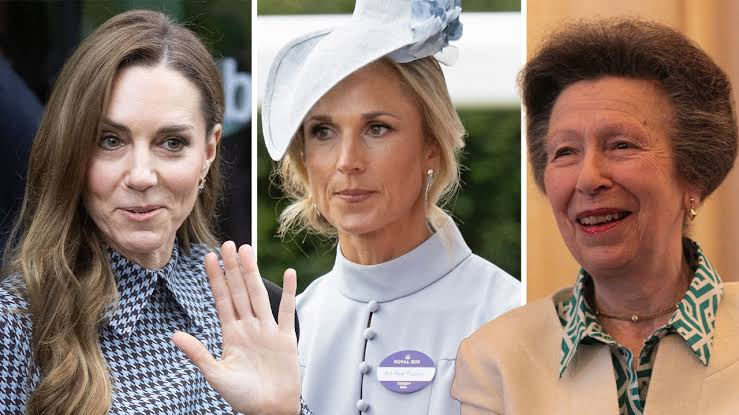
Princess Anne has long been regarded as one of the hardest-working members of the British royal family, known for her straightforward personality, strong sense of duty, and preference for keeping her private life away from unnecessary attention. However, beyond her public responsibilities and famously no-nonsense reputation, there is another side to the Princess Royal that is attracting interest following comments from her new daughter-in-law, Harriet Phillips.
Harriet’s perspective offers a more personal glimpse into what it may be like to have Princess Anne as a mother-in-law. While the royal family is often associated with formal occasions, strict traditions, and public expectations, family relationships are shaped by everyday interactions that rarely make headlines.
Princess Anne has spent decades developing a distinctive role within the monarchy. She is widely admired for her commitment to royal duties, but her personality has also made her one of the most recognisable figures in the institution. For someone joining her family through marriage, getting to know her beyond the public image can be an interesting experience.
Harriet Phillips’s comments have therefore generated curiosity about the Princess Royal’s private character, her approach to family life, and the qualities that make her such a distinctive member of the royal household.
Harriet Phillips Offers a Personal Glimpse of Princess Anne
Princess Anne’s public image is often defined by her direct manner and practical approach to royal responsibilities. Unlike some members of the royal family, she rarely appears interested in making headlines for personal reasons. Instead, she has built her reputation through decades of consistent public service.
That image makes any insight into her private family relationships particularly interesting.
As a daughter-in-law, Harriet Phillips occupies a different position from the people who encounter Princess Anne during official engagements. Family members have the opportunity to see a more personal side of someone whose public role is usually carefully structured around royal duties.
However, it is important to distinguish between Harriet’s reported comments and assumptions about private conversations. The exact details of their relationship should not be invented or exaggerated. What makes the subject compelling is the contrast between Princess Anne’s familiar public persona and the private family role she holds.
For many royal watchers, the question is simple: Is Princess Anne as serious and formidable at home as she often appears during public engagements, or does she reveal a warmer and more relaxed personality among those closest to her?
Princess Anne’s Reputation as the Royal Family’s Hardest Worker
Princess Anne has earned a reputation for extraordinary dedication to public service. Over many decades, she has carried out thousands of official engagements, supporting charitable organisations, attending events, and representing the monarchy throughout the United Kingdom and abroad.
Her working style is notably practical. She is often seen focusing on the people and organisations she visits rather than making the occasion about herself.
This commitment has helped establish her as one of the monarchy’s most dependable representatives. While the public image of the royal family has changed considerably over the years, Anne has remained a consistent presence.
Her schedule has frequently been demanding, and she has continued undertaking engagements well into later life. Her dedication has earned admiration from supporters who value her reliability and willingness to carry out responsibilities without seeking excessive attention.
For family members, however, living with someone so committed to public service may involve understanding the importance of discipline, organisation, and personal responsibility.
Princess Anne’s approach to royal work may also influence how she interacts with relatives. Her direct communication style is well known, although it would be unfair to assume that every private conversation reflects the same formality seen during public appearances.
The Woman Behind the Princess Royal’s Straight-Talking Image
One of the most distinctive aspects of Princess Anne’s personality is her reputation for speaking plainly.
Throughout her public life, she has become known for avoiding unnecessary drama and expressing herself in a straightforward manner. Her sense of humour can also be dry, and her interviews have occasionally revealed a willingness to challenge assumptions about royal life.
This directness has become part of her public identity. Supporters often see it as a refreshing quality in an institution where public communication can sometimes appear highly formal.
Yet a straightforward personality does not necessarily mean someone lacks warmth or affection. People can be practical and reserved while still being deeply supportive of their families.
Princess Anne has generally protected her private life, which means that the public sees only a limited picture of her relationships with her children, grandchildren, and extended family.
For Harriet, becoming part of this family may offer a different understanding of the woman behind the royal title.
Princess Anne as a Mother and Family Figure
Princess Anne is the mother of Peter Phillips and Zara Tindall, whom she shares with her first husband, Captain Mark Phillips.
Unlike some royal households, Anne and her former husband made decisions that allowed their children to grow up without royal titles. Peter and Zara have consequently developed their own public identities outside the traditional structure of senior working royalty.
Both have pursued independent lives and careers. Peter has worked in business, while Zara became an accomplished equestrian and won an Olympic silver medal as part of the British eventing team at the London 2012 Games.
Their upbringing has often been discussed as an example of Princess Anne’s practical approach to family life. She has allowed her children considerable independence while maintaining a strong connection to the wider royal family.
That approach may also influence her relationships with newer members of the family.
For someone marrying into the Phillips or Tindall family circle, the experience of joining a household with established traditions and strong personalities could take time to adjust to. However, the fact that Peter and Zara have built relatively independent lives suggests that family identity is not necessarily defined by strict royal expectations.
Harriet Phillips and Her Place in the Wider Royal Family
Marriage into a family connected to the monarchy can attract attention even when the individual is not expected to undertake official royal duties.
The Phillips family occupies an interesting position within the royal landscape. Peter Phillips is the son of Princess Anne and the late Queen Elizabeth II’s eldest grandson. Although he does not hold a royal title, his family connections mean that his personal milestones often attract public interest.
A new marriage can bring another person into that extended family environment, creating fresh relationships and opportunities to become part of longstanding traditions.
For Harriet Phillips, this may involve getting to know relatives whose public profiles are very different from those of ordinary families.
Princess Anne, in particular, has a long-established reputation and a strong sense of independence. Her experience as a mother, royal representative, and public figure may make her an influential presence within the family.
Still, the most important part of any mother-in-law and daughter-in-law relationship is the personal connection between the two individuals. Titles and public expectations cannot fully determine how that relationship develops.
Why Princess Anne’s Family Life Is Different From Her Royal Duties
Princess Anne’s public responsibilities and private family life exist in two very different environments.
During official engagements, she represents the monarchy, follows established protocols, and meets people from a wide range of organisations. Her role requires professionalism and a clear understanding of royal responsibilities.
At home, however, she is also a mother, grandmother, sister, and extended family member.
These roles involve different expectations. Family relationships are built through ordinary interactions, shared experiences, and personal support rather than ceremonial appearances.
Anne has generally maintained a firm boundary between her private life and her public duties. She rarely discusses intimate family matters in detail, which has helped protect the independence of her children and grandchildren.
That privacy is especially important for relatives who are not working royals. They can maintain careers and personal lives without having every decision become part of the monarchy’s official story.
Harriet’s position as a new member of the wider family therefore offers an interesting perspective, but it is also important to respect the boundaries that Princess Anne has maintained throughout her life.
Princess Anne’s Sense of Duty and Its Influence on the Next Generation
One quality that has consistently defined Princess Anne is her commitment to responsibility.
Her dedication to charitable work, sporting organisations, and public service has provided a powerful example for younger generations within the royal family.
She has supported organisations connected to healthcare, education, sport, and community development. Her work has also taken her to countries around the world, giving her a broad understanding of different communities and social challenges.
For Peter and Zara, growing up with a mother who maintained such a demanding schedule may have helped shape their understanding of discipline and independence.
Zara’s sporting career, in particular, demonstrates a strong commitment to preparation and performance. Although her achievements are her own, her upbringing within a family that values hard work has been part of the environment in which she developed.
For newer members of the family, Princess Anne’s example may offer a reminder that royal connections can involve more than public recognition. They also come with a long history of responsibility and service.
Why Royal Watchers Are Interested in Her Private Personality
Princess Anne has always been a fascinating royal figure because she does not appear to seek the same kind of public attention as some of her relatives.
Her understated style, direct manner, and consistent work ethic have helped her maintain a distinctive position within the monarchy.
As a result, any suggestion of what she is like behind closed doors naturally attracts interest.
Royal watchers often want to understand how public figures behave away from official events. They are curious about family traditions, relationships between generations, and whether the personalities seen on television reflect everyday life.
Harriet Phillips’s perspective is particularly interesting because it comes from the position of someone connected to the family through marriage.
Nevertheless, private family dynamics are rarely as simple as a headline suggests. Princess Anne may be serious in professional settings, relaxed in private, or a combination of both depending on the situation.
Without detailed public comments from the people involved, it is best to avoid presenting assumptions as confirmed facts.
The Bottom Line
Harriet Phillips’s perspective on Princess Anne as a mother-in-law has renewed interest in the personal side of one of Britain’s most respected royal figures.
Known publicly for her direct personality and extraordinary commitment to royal duties, Princess Anne has spent decades building a reputation as a dependable and hardworking member of the monarchy. Yet her role within the family is equally important, particularly as the mother of Peter Phillips and Zara Tindall and the grandmother of their children.
For Harriet, joining this wider family means becoming connected to a woman whose life has been shaped by royal tradition, personal independence, and a strong sense of duty.
Although the details of their private relationship should remain personal unless openly shared, the story highlights an important distinction between Princess Anne’s public responsibilities and her family role.
Ultimately, the Princess Royal’s appeal may lie in the fact that she has never seemed interested in fitting a particular public image. She has built her reputation through consistency, honesty, and hard work. Behind the royal title, she remains a mother and grandmother whose influence extends beyond the official calendar and into the lives of the people closest to her.