Technological innovation, war, marketing, and changing consumer habits helped turn chocolate into the candy bars Americans know today.
Chocolate is one of the most recognizable treats in the modern world, found in supermarket aisles, convenience stores, vending machines, and kitchen cupboards. From simple milk chocolate bars to elaborate combinations of caramel, nuts, nougat, and wafers, candy bars have become an everyday part of American food culture. Yet the familiar chocolate bar has a surprisingly long history, one that began thousands of years before modern confectionery factories existed.
The journey from ceremonial cacao drinks to mass-produced candy bars involved changing tastes, scientific discoveries, industrial technology, wartime demands, and clever marketing. Chocolate was once an expensive drink associated with ritual, status, and special occasions. Over time, improvements in processing and manufacturing transformed it into an affordable product that could be carried, shared, and enjoyed almost anywhere.
The rise of the American candy bar was not the result of a single invention. Instead, it emerged from centuries of experimentation and a series of social and economic changes that reshaped how people produced, purchased, and consumed sweets.
The Ancient Origins of Chocolate
Long before chocolate became a solid confection, cacao was an important part of life in Mesoamerica. Archaeological and historical evidence indicates that ancient societies, including the Maya and the Aztecs, prepared drinks using cacao beans. These beverages were often bitter rather than sweet, sometimes combined with spices, water, or other ingredients.
Cacao held cultural, ceremonial, and economic significance. It could be used in religious rituals, offered during important occasions, and exchanged as a valuable commodity. In some societies, cacao beans also served as a form of currency.
These early drinks were very different from the sweet chocolate beverages and candy bars familiar today. Sugar was not yet a standard ingredient in Mesoamerican cacao preparations, and the flavor profile often emphasized bitterness and spices.
The importance of cacao extended beyond its taste. Its association with ceremony, status, and exchange helped establish chocolate as a valuable product long before it became a mass-market snack.
When Spanish explorers and colonizers encountered cacao in the Americas during the sixteenth century, they introduced it to Europe. Chocolate gradually gained popularity among wealthy consumers, particularly when European preparations incorporated sugar and other familiar ingredients.
For centuries, however, chocolate remained expensive and labor-intensive to produce. Preparing and serving it required resources that placed it beyond the reach of many ordinary households. The idea of chocolate as an inexpensive treat for everyday consumption would emerge much later.
How Chocolate Became a Popular European Drink
Chocolate spread through European elite circles during the sixteenth and seventeenth centuries. Its appeal grew as recipes evolved to suit European tastes, with sugar and spices helping create a sweeter, more approachable beverage.
In some places, chocolate became associated with aristocratic households, fashionable social gatherings, and specialized drinking establishments. Preparing it could involve considerable effort, and access to cacao depended on international trade networks connected to colonial production.
As demand increased, chocolate production became part of a broader commercial system linking cacao-growing regions with European merchants and consumers. The growing popularity of chocolate also reflected changing attitudes toward imported foods and luxury goods.
Nevertheless, drinking chocolate was still fundamentally different from the portable candy bars that would eventually dominate store shelves. It was generally consumed as a prepared beverage rather than sold as a standardized, individually wrapped snack.
The transformation required more than a new recipe. Manufacturers needed reliable methods to process cacao, manage its naturally fatty composition, create consistent textures, and produce chocolate in forms that could be transported and stored.
Those challenges would become increasingly manageable as industrial technology advanced during the eighteenth and nineteenth centuries.
The Industrial Revolution Changes Chocolate Production
The Industrial Revolution played a major role in the development of modern chocolate. Mechanized equipment made it possible to process larger quantities of cacao more efficiently, reducing some of the labor and expense associated with traditional methods.
One important development was the cacao grinding machinery introduced by Dutch chocolate maker Coenraad Johannes van Houten and his father, Casparus van Houten. Their work helped improve the separation of cocoa solids from cocoa butter.
In 1828, Coenraad Johannes van Houten patented a process for treating cacao with alkaline salts. Known as Dutch processing, this technique changed the color and flavor of cocoa and improved its ability to mix with liquids.
The cocoa press also made it easier to separate cocoa butter from the remaining solids. This allowed manufacturers to produce cocoa powder more efficiently and provided greater control over ingredients used in chocolate manufacturing.
These developments were important because chocolate’s texture depends heavily on the balance between cocoa solids, cocoa butter, and other ingredients. Better processing gave manufacturers more opportunities to experiment with different products.
The nineteenth century brought further breakthroughs. In 1847, the British chocolate company J. S. Fry & Sons developed an early solid eating chocolate made by combining cocoa powder, sugar, and cocoa butter. Although it was not identical to today’s candy bars, it helped demonstrate that chocolate could be manufactured as a solid food rather than consumed only as a drink.
Solid chocolate opened the door to a new market. Consumers could now purchase a confection that was easier to portion, package, transport, and eat without preparation.
Milk Chocolate Makes Candy More Appealing
Another major breakthrough came with the development of milk chocolate.
In 1867, Swiss entrepreneur Daniel Peter began experimenting with combining chocolate and milk. With assistance from Henri Nestlé, whose work with condensed milk provided a useful ingredient, Peter developed a commercially successful milk chocolate product in 1875.
Milk chocolate offered a smoother, sweeter taste than many earlier chocolate preparations. Its milder flavor helped appeal to a wider range of consumers, including people who found darker chocolate too bitter.
Manufacturers continued improving texture and consistency. In Switzerland, Rodolphe Lindt developed a conching process in the 1870s that helped produce chocolate with a smoother mouthfeel. Conching involves prolonged mixing and refinement, allowing manufacturers to improve the texture and flavor of chocolate.
These innovations gradually changed consumer expectations. Chocolate was no longer simply a luxury beverage or a relatively rough solid confection. It could be smooth, creamy, sweet, and consistent enough for large-scale commercial production.
The improvements also created opportunities for new product categories. Chocolate could be combined with nuts, fruit, caramel, nougat, and other ingredients to produce confections with different textures and flavors.
As production expanded, manufacturers increasingly competed to create products that stood out in a growing market. The modern candy bar was beginning to take shape.
The Birth of the American Candy Bar
By the late nineteenth and early twentieth centuries, chocolate manufacturing was expanding rapidly in the United States. Industrial production, urban growth, improved transportation, and the development of national retail networks helped candy reach a broader audience.
American consumers were also developing a taste for inexpensive, convenient sweets. Unlike elaborate desserts that required preparation, a candy bar could be purchased quickly and eaten almost anywhere.
Several companies helped establish the commercial foundations of the American candy industry. Hershey, founded by Milton Hershey, became particularly influential in making milk chocolate available to a large market.
Hershey established the Hershey Chocolate Company in 1894 and developed large-scale manufacturing operations in Pennsylvania. The company’s production methods and focus on affordability helped make chocolate more accessible to ordinary consumers.
The Hershey’s Milk Chocolate Bar, introduced in the early twentieth century, became one of the most recognizable products in American confectionery. Its popularity helped establish the chocolate bar as a familiar everyday treat rather than an occasional luxury.
Other manufacturers experimented with different combinations of ingredients. Peanuts, nougat, caramel, crisped rice, wafers, and other fillings allowed companies to distinguish their products in a competitive marketplace.
The candy bar’s appeal rested partly on its versatility. It could offer a small, affordable indulgence while combining multiple flavors and textures in a compact package.
World War I and the Demand for Portable Energy
Wartime conditions helped strengthen the connection between candy bars and convenience. During World War I, chocolate and other sweets became part of the broader food supply serving military personnel and civilians.
Chocolate’s usefulness in portable rations came from its compact form, relatively high energy content, and ability to be carried without utensils. Sugar and fat supplied calories, making chocolate a practical component of some emergency and military food provisions.
However, the chocolate supplied to soldiers was not always identical to the sweet candy bars sold to civilians. Military food requirements could prioritize durability, transportability, and resistance to melting over flavor or texture.
War also affected production and distribution. Shipping restrictions, ingredient availability, and government purchasing could influence what manufacturers produced and where their products were sent.
These developments helped reinforce the idea that chocolate was more than a luxury. It could also be a convenient source of energy for people working, traveling, or serving far from home.
The experience of wartime supply chains would become even more significant during the next global conflict, when the relationship between chocolate, military rations, and American candy manufacturing became particularly visible.
World War II Turns Chocolate Into a Wartime Ration
World War II played a major role in cementing chocolate’s place in military food supplies. As American forces operated across Europe, Asia, and the Pacific, the military needed foods that were compact, durable, and suitable for distribution under difficult conditions.
Chocolate could provide energy in a relatively small package, but ordinary candy bars were not necessarily ideal for every environment. High temperatures could cause chocolate to soften or melt, creating problems for storage and transportation.
The U.S. military therefore commissioned specially designed chocolate ration bars. One notable example was the D ration developed during the early years of World War II.
Working with the Hershey Chocolate Corporation, the military sought a bar that would supply energy, withstand heat better than conventional chocolate, and discourage soldiers from eating it too quickly. The resulting product was deliberately less sweet and less appealing than ordinary candy.
The goal was practical rather than indulgent. A ration intended for emergency use needed to remain usable under challenging conditions, even if that meant sacrificing the creamy texture and sweetness consumers expected from a commercial chocolate bar.
Other chocolate products were also supplied to military personnel, including versions designed to be more palatable while meeting military requirements. These products helped maintain chocolate’s reputation as a portable source of energy during periods of intense physical activity.
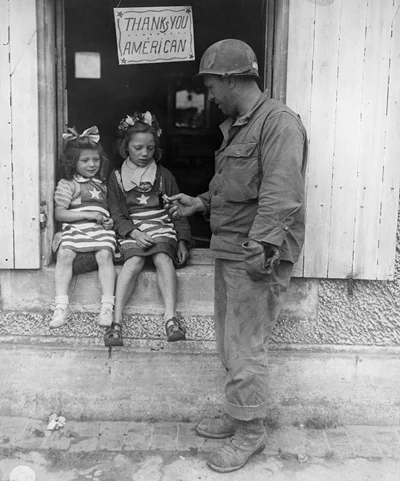
The wartime connection also strengthened the symbolic importance of sweets. For some service members, chocolate represented a small comfort in difficult circumstances. For families at home, candy could become part of care packages and other efforts to maintain a connection with loved ones serving overseas.
War did not single-handedly create the American candy bar, but it reinforced the value of portability, packaging, dependable production, and widespread distribution.
Marketing Turns Candy Bars Into Everyday Favorites
As the candy industry expanded, marketing became increasingly important. Manufacturers needed to distinguish their products from competitors and convince consumers that a particular bar was worth choosing.
Packaging played a central role. Wrappers helped protect products, identify brands, and make individual portions easy to sell. Distinctive names and visual designs allowed customers to recognize familiar products quickly.
Advertising also connected candy bars with everyday experiences. Rather than presenting chocolate exclusively as a luxury, campaigns could associate it with a lunch break, a trip to the store, a movie outing, or a small reward after a long day.
The development of convenience stores, vending machines, and other retail channels further increased availability. Candy bars became easy to purchase at train stations, gas stations, movie theaters, and neighborhood shops.
Manufacturers also introduced products that reflected changing tastes. Some emphasized peanuts and caramel, while others highlighted crisp wafers, nougat, or combinations of chocolate and crunchy ingredients.
Several famous American candy bars emerged during the early twentieth century. The Clark Bar appeared in the 1910s, while the Baby Ruth bar was introduced in 1921. The Milky Way followed in 1923, and the Snickers bar debuted in 1930.
These products offered different combinations of textures and flavors, helping establish the variety that defines the American candy aisle today.
Advertising, recognizable branding, and consistent manufacturing turned candy bars into familiar consumer products. Their success depended not only on taste but also on availability, price, convenience, and the emotional associations built around them.
Changing Consumer Habits Shape the Modern Candy Bar
The popularity of candy bars also reflected broader changes in American life. As cities expanded and more people traveled to work, school, and leisure activities, convenient packaged foods became increasingly attractive.
A candy bar required no preparation, refrigeration in ordinary circumstances, or special equipment. It could fit in a pocket, lunch bag, or purse and be consumed in a few minutes.
This convenience suited an increasingly mobile society. Candy bars became common purchases for commuters, students, travelers, and workers seeking a small snack during the day.
The growth of supermarkets and national advertising further strengthened the market. Consumers could encounter the same familiar brands in different cities and states, encouraging brand loyalty and repeat purchases.
At the same time, manufacturers continued experimenting with size and composition. Some bars emphasized peanuts and other ingredients, while others focused on chocolate, caramel, nougat, or crisped cereals. Over time, the category expanded to include products with different portion sizes, flavor profiles, and ingredient combinations.
Modern consumers also approach candy differently from earlier generations. Greater attention to nutrition, portion sizes, ingredient labels, and dietary preferences has encouraged manufacturers to offer a wider range of products.
Dark chocolate, reduced-sugar options, products featuring nuts, and bars made with alternative ingredients now occupy parts of the market alongside traditional favorites. These changes show how the candy bar continues to adapt to evolving tastes and expectations.
From Ancient Ritual to Modern Convenience
The history of the candy bar is a story of transformation. What began as a culturally significant cacao drink in ancient Mesoamerica became an expensive beverage in Europe before industrial innovations made solid chocolate increasingly practical to manufacture.
Advances in grinding, cocoa processing, milk chocolate production, and texture refinement helped create the products that modern consumers recognize. American manufacturers then combined these technologies with mass production, distinctive branding, and retail distribution to turn chocolate bars into everyday purchases.
War added another dimension to that evolution. Military demand demonstrated the usefulness of compact, energy-dense chocolate products, while wartime production and distribution highlighted the importance of durability and reliable supply chains.
Marketing and changing consumer habits completed the transformation. Candy bars became more than confectionery: they became portable snacks associated with familiar brands, small indulgences, and moments of convenience.
Today, the American candy bar reflects centuries of cultural exchange, technological development, and commercial creativity. Its history stretches from ceremonial drinks and elite European tables to factory production lines, military ration packs, and modern supermarket shelves.
The next time someone unwraps a chocolate bar, the experience may last only a few minutes. Yet behind that simple treat lies a remarkable journey shaped by ancient traditions, industrial ingenuity, global conflict, and the changing ways people choose to enjoy food.