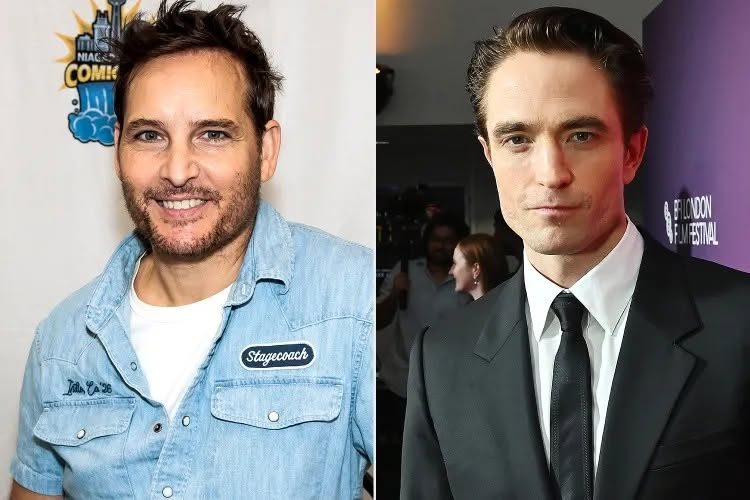
Even after all these years, Twilight continues to hold a special place in pop culture, with fans still eager to uncover the behind-the-scenes stories that made the vampire franchise so memorable. From its intense romantic moments to its dramatic confrontations between vampires and werewolves, the film series created countless scenes that audiences continue to revisit. Now, actor Peter Facinelli has offered another glimpse into the making of the beloved franchise by revealing what he whispered into Robert Pattinson’s ear just before filming a memorable biting scene.
The revelation provides a playful reminder that the atmosphere on a movie set can be very different from the intense drama audiences see on screen. While the finished scene may appear serious, emotional, or even frightening, the actors involved are often balancing the demands of their characters with the practical realities of filming.
For fans of Twilight, Facinelli’s story offers a chance to revisit the chemistry, humor, and unexpected moments that helped make the franchise a global phenomenon. It also highlights the enduring appeal of a series that transformed a supernatural romance into one of the defining entertainment stories of its era.
Although the films have been available to audiences for years, stories from the set continue to generate interest. The actors’ memories reveal another side of the franchise, reminding viewers that some of the most entertaining details never make it into the final cut.
Peter Facinelli Shares a Behind-the-Scenes Twilight Story
Peter Facinelli became an important part of the Twilight universe through his portrayal of Dr. Carlisle Cullen, the compassionate vampire who serves as the patriarch of the Cullen family.
Carlisle is a distinctive figure in a story filled with supernatural conflict. Unlike vampires who embrace violence, he has spent centuries developing a moral code that allows him to coexist with humans. His medical profession reflects his desire to help others, while his role as the Cullen family’s father figure establishes him as a source of stability within the franchise.
Facinelli’s performance helped bring warmth and authority to the character. Carlisle’s calm demeanor and thoughtful approach often contrast with the impulsive behavior of younger vampires, creating a balance within the Cullen family dynamic.
The actor’s recollection of an exchange with Robert Pattinson before filming a biting scene offers a different perspective on his work in the series. Instead of focusing on Carlisle’s seriousness, the anecdote draws attention to the humor that can exist between performers during production.
However, the exact wording of the whispered remark should be distinguished from the broader story unless the original interview or statement is available to verify it. Without a confirmed quotation, it would be misleading to invent the words Facinelli supposedly used.
What makes the anecdote interesting is the idea behind it: even during scenes designed to create tension, actors can share small, spontaneous moments that make the experience more enjoyable.
For audiences who remember the films primarily through their dramatic scenes, these stories provide a welcome reminder of the people behind the characters.
Robert Pattinson and the Scene That Fans Remember
Robert Pattinson’s portrayal of Edward Cullen helped turn Twilight into a defining franchise for a generation of moviegoers.
Edward is introduced as a mysterious student whose unusual behavior gradually reveals his supernatural identity. His relationship with Bella Swan, played by Kristen Stewart, becomes the emotional center of the story, bringing together romance, danger, and questions about whether humans and vampires can build a life together.
Pattinson’s performance helped establish Edward as a character who is both alluring and conflicted. He must contend with his feelings for Bella while attempting to control the instincts that make him dangerous to her.
Scenes involving biting and the threat of vampire violence are particularly important because they represent the central tension of Edward’s character. His attraction to Bella is inseparable from his fear that his nature could put her at risk.
That conflict gives the franchise many of its most memorable moments. The audience is invited to experience the intensity of Edward’s emotions while recognizing that the relationship involves genuine danger within the fictional world.
Learning about a humorous exchange before filming such a scene can create an amusing contrast. The actors may be preparing to portray a moment of fear or vulnerability, even as the real atmosphere on set includes jokes, technical adjustments, and conversations that never appear on screen.
The contrast between performance and reality is one of the most fascinating aspects of filmmaking.
Why Behind-the-Scenes Secrets Continue to Fascinate Twilight Fans
The continuing interest in Twilight demonstrates that a film’s cultural life does not end when it leaves theaters.
Fans frequently revisit familiar scenes, discuss character motivations, and compare their interpretations of the story. Behind-the-scenes revelations add another dimension by offering information about how those scenes were created.
A whispered comment, an unexpected joke, or an unusual filming experience can change how audiences remember a particular moment. The scene itself remains the same, but viewers gain a new perspective on what may have happened just outside the camera’s view.
These anecdotes also make actors seem more relatable. On screen, performers may appear completely immersed in fictional worlds filled with supernatural abilities, impossible romances, and life-or-death confrontations. Off screen, they are colleagues working together to create a convincing performance.
That difference can be especially entertaining in a franchise such as Twilight, where the characters often treat their supernatural circumstances with intense seriousness.
The films helped create an elaborate mythology involving vampire families, ancient rivalries, and the complicated rules governing supernatural life. Yet the production process depended on ordinary human collaboration.
Actors needed to learn their lines, respond to their scene partners, follow direction, and repeat performances until the desired result was achieved. Humor could naturally become part of that process.
Facinelli’s reported recollection taps into this interest in the less visible side of a major movie production.
Peter Facinelli’s Role as Carlisle Cullen
Carlisle Cullen remains one of the most distinctive members of the Twilight family because he represents a different approach to vampire existence.
In the franchise’s fictional universe, Carlisle rejects the idea that vampires must prey on humans. Instead, he develops a way of surviving that allows him to preserve his values and maintain relationships with people who do not share his supernatural nature.
His medical career is closely connected to this philosophy. By dedicating himself to healing others, Carlisle transforms a profession traditionally associated with preserving human life into an expression of his own moral choices.
As the Cullen family patriarch, he also provides guidance to Edward, Alice, Emmett, Rosalie, and the other members of his household. His influence helps establish the family as an unusual alternative to the more dangerous vampire groups encountered throughout the story.
Facinelli’s portrayal gives Carlisle a reassuring presence without making him seem detached from the conflicts around him. He is compassionate, but he also understands the risks that come with the family’s existence.
The character’s importance extends beyond individual scenes. Carlisle represents the possibility of choosing a different path, even in a fictional world where nature and tradition appear to dictate behavior.
That moral dimension helps explain why fans continue to appreciate him long after the original films were released.
How Twilight Became a Pop Culture Phenomenon
The Twilight film franchise began in 2008 with an adaptation of Stephenie Meyer’s bestselling novel. The story introduced audiences to Bella Swan, a teenager who moves to the town of Forks, Washington, and becomes fascinated by Edward Cullen, a classmate with a dangerous secret.
The film’s combination of supernatural romance, teenage uncertainty, and family conflict quickly attracted a devoted audience.
Its success led to four sequels, concluding with The Twilight Saga: Breaking Dawn – Part 2 in 2012. Together, the five films expanded the story into a global entertainment phenomenon, bringing the characters and their fictional world to audiences across numerous countries.
The franchise’s popularity extended beyond the movies themselves. Its actors became recognizable stars, its romantic relationships inspired extensive discussion, and its fictional rivalries generated passionate debate among fans.
The contrast between Edward and Jacob Black, portrayed by Taylor Lautner, became one of the series’ most widely discussed elements. Meanwhile, the Cullen family provided a larger world of supernatural characters whose histories and relationships helped sustain interest across the films.
Over time, Twilight also became a subject of nostalgia. Viewers who first discovered the series as teenagers have since returned to it as adults, while new audiences continue to encounter the films through streaming services and online discussions.
That ongoing attention helps explain why even a small behind-the-scenes revelation can generate fresh interest.
The Chemistry Behind the Cullen Family
The Cullen family plays a crucial role in giving Twilight its emotional foundation. Although the members are not all related by blood, they have built a household based on loyalty, shared values, and the determination to live differently from other vampires.
Carlisle and his wife, Esme, provide a parental presence, while the younger members bring their own personalities, insecurities, and relationships into the family dynamic.
The actors portraying the Cullens needed to create a sense of familiarity that could make their unusual family structure believable. Their interactions had to communicate years of shared history, even when individual scenes focused on immediate conflicts.
Behind-the-scenes stories can help fans appreciate how such relationships are constructed. A playful exchange between actors may contribute to a comfortable working environment, allowing performers to develop trust and familiarity with one another.
That does not mean every on-screen relationship reflects the actors’ real personalities. Rather, it illustrates how collaborative filmmaking depends on communication and mutual understanding.
The Cullen family might be immortal, but the performances that brought it to life were created by a group of actors working together under the practical limitations of a film production.
Why Twilight’s Legacy Continues Years Later
More than a decade after the original film series concluded, Twilight remains a recognizable part of popular culture.
Its influence can be seen in the continued interest in supernatural romance, the enduring visibility of its cast, and the many conversations that revisit the franchise’s themes and characters.
The series also occupies an important place in the careers of its principal actors. Pattinson went on to take on a wide range of roles, including his portrayal of Batman, while Stewart developed an extensive filmography that includes independent cinema and major productions. Lautner, Facinelli, and other cast members have also continued their own professional journeys.
For many fans, however, the franchise remains associated with a particular period of their lives. Revisiting the movies can bring back memories of midnight screenings, conversations about favorite characters, and the excitement surrounding each new installment.
Behind-the-scenes anecdotes add to that nostalgia by giving audiences new reasons to return to a familiar story.
A revelation about what an actor whispered before a scene may seem like a small detail, but it can renew interest in a film that viewers thought they already knew.
The Bottom Line
Peter Facinelli’s reported story about whispering something to Robert Pattinson before filming a memorable Twilight biting scene offers another reminder of the entertaining moments that can happen behind the camera.
While the exact words of the exchange should not be treated as established without a verifiable quotation, the anecdote highlights the contrast between the franchise’s intense fictional world and the collaborative reality of making a movie.
Facinelli’s portrayal of Carlisle Cullen helped establish the moral center of the Cullen family, while Pattinson’s Edward became one of the defining romantic figures of the series. Their work contributed to a franchise that continues to attract attention long after its original theatrical run.
For fans, the appeal of Twilight lies not only in its romance, supernatural mythology, and dramatic confrontations, but also in the stories surrounding its production.
Those glimpses behind the scenes help keep the franchise alive in the public imagination. And as long as audiences continue revisiting the films, even small revelations about the actors’ experiences may offer a fresh reason to return to the world of vampires, forbidden love, and unforgettable cinematic moments.