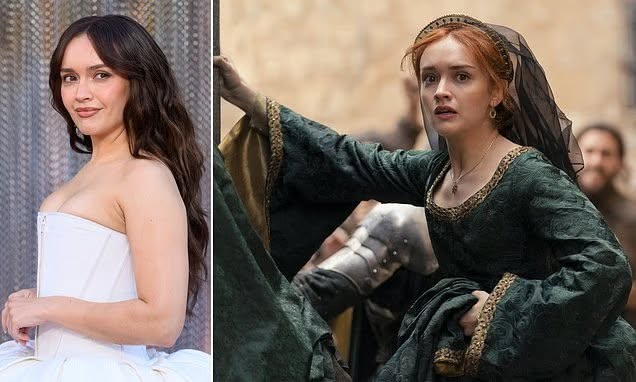
Olivia Cooke is opening up about the less glamorous side of celebrity life, revealing why she made the decision to step away from social media and create greater distance between herself and the pressures of online fame. While the actress has enjoyed an increasingly successful career in Hollywood, becoming internationally recognised through major television and film projects, she has also experienced the complicated reality of living under constant public attention.
For many actors, social media has become an essential part of building a career. Platforms such as Instagram and X allow celebrities to connect with fans, promote their latest projects and share glimpses of their everyday lives. However, for Olivia, the experience of being constantly visible online has also raised questions about privacy, mental wellbeing and the expectations placed on women in the entertainment industry.
The House of the Dragon star has increasingly demonstrated that she prefers to keep her personal life away from the spotlight. Rather than allowing online attention to dictate how she presents herself, Olivia appears more interested in concentrating on her acting, developing meaningful relationships and enjoying a life beyond the demands of celebrity culture.
Her decision highlights a growing conversation among actors and other public figures about the emotional cost of fame and whether maintaining a constant online presence is really necessary for a successful career.
Olivia Cooke Opens Up About the Pressure of Being Famous
Olivia Cooke has never been a conventional Hollywood celebrity. Despite becoming one of the most recognisable faces in contemporary television, the British actress has generally maintained a relatively private public image.
Born in Oldham, Greater Manchester, Olivia began pursuing acting at a young age. Her early career included appearances in British television productions before she gained international attention through the psychological thriller series Bates Motel.
Her performance as Emma Decody introduced her to a wider audience and demonstrated her ability to portray emotionally complex characters.
She subsequently appeared in several major productions, including Ready Player One, Sound of Metal and Little Fish, establishing herself as a versatile performer capable of moving between independent cinema and large-scale productions.
However, increased professional recognition also brought greater public attention.
For an actress who values her privacy, navigating the expectations of modern celebrity culture can be particularly challenging.
The entertainment industry increasingly encourages performers to maintain an online identity, interact with followers and provide regular updates about their personal lives.
This can create the impression that an actor’s job extends beyond performing on screen.
Instead of simply promoting a film or television series, celebrities are often expected to become content creators, lifestyle personalities and constant sources of entertainment.
For Olivia, stepping away from social media reflects a desire to avoid allowing those expectations to become an overwhelming part of her life.
Why Olivia Cooke Decided to Step Away From Social Media
Social media can be an incredibly useful tool for actors, but it also comes with disadvantages that are not always visible to the public.
The constant stream of comments, opinions and personal judgments can make it difficult for celebrities to separate their professional identities from their private lives.
For someone working in an industry where appearance, performance and public perception are frequently discussed, the online environment can become particularly intense.
Actors are often subjected to criticism from people they have never met, with strangers commenting on everything from their clothing and relationships to their physical appearance and acting abilities.
Even positive attention can create pressure when it becomes something that a person feels obligated to maintain.
Stepping away from social media can therefore offer a valuable opportunity to regain control over personal boundaries.
Olivia’s approach reflects a broader shift among some actors who are choosing to limit their online exposure rather than treating constant visibility as an unavoidable requirement of success.
There is also a difference between being recognised for professional achievements and being expected to share every aspect of personal life.
Olivia has established herself through her performances, and her growing reputation suggests that audiences are interested in her work regardless of how frequently she posts online.
Her decision serves as a reminder that celebrities do not necessarily need to provide continuous access to themselves in order to maintain a meaningful relationship with their audiences.
The Darker Side of Fame: When Public Attention Becomes Overwhelming
The glamorous image of Hollywood can make celebrity life appear effortless.
Red-carpet appearances, international premieres, designer outfits and opportunities to work with celebrated filmmakers are often presented as the most visible parts of an actor’s career.
However, behind those moments is a much more complicated reality.
Fame can bring significant changes to everyday life, including reduced privacy, increased public scrutiny and the feeling that ordinary experiences are no longer entirely personal.
For actors, the situation can be particularly difficult because their work often involves portraying characters who are completely different from their real personalities.
Audiences may become emotionally invested in a character and begin to associate the performer with the fictional role.
This can create unrealistic expectations about how an actor should behave outside the production.
Olivia has experienced this phenomenon through her work in major television dramas, particularly as her performances have attracted increasingly passionate audiences.
The popularity of House of the Dragon, for example, introduced her to a global fan base.
While the attention has helped expand her career, it has also placed her in a much larger public conversation.
The challenge for performers is finding a healthy balance between appreciating the support of fans and protecting their personal boundaries.
For many celebrities, choosing not to participate in every online discussion is an important part of maintaining that balance.
House of the Dragon Made Olivia Cooke an International Star
One of the biggest turning points in Olivia’s career came when she joined HBO’s House of the Dragon.
The fantasy drama, which serves as a prequel to Game of Thrones, introduced audiences to the complicated history of House Targaryen and the political conflict that eventually threatened to destroy the family.
Olivia plays Alicent Hightower, a central character whose transformation from a young woman navigating royal expectations into a powerful political figure has become one of the show’s most compelling storylines.
Alicent is a complicated character shaped by family pressure, ambition, personal disappointments and the expectations placed upon women within the royal court.
Olivia’s performance has received considerable attention because she manages to communicate the character’s vulnerability and determination while exploring the darker aspects of her personality.
The role has also demonstrated her ability to handle emotionally demanding material.
Unlike many conventional television characters, Alicent cannot easily be classified as entirely good or entirely bad.
Her decisions often provoke strong reactions from viewers, making her one of the most debated personalities in the series.
This level of audience engagement has naturally increased interest in Olivia herself.
However, the actress’s preference for keeping her personal life separate from her professional work means that fans do not necessarily receive the same level of access to her private world as they might expect from other celebrities.
Olivia Cooke’s Approach to Privacy in Hollywood
Olivia’s decision to maintain a relatively private lifestyle is particularly interesting in an entertainment industry where personal branding has become increasingly important.
Many celebrities use social media to share photographs from film sets, attend promotional events virtually and maintain a direct connection with millions of followers.
Others prefer to limit their public appearances to professional commitments.
There is no single correct approach, but Olivia’s attitude highlights the importance of allowing actors to decide how much of themselves they want to make public.
Her career has continued to develop without requiring her to build an extensive online personality.
Instead, she has focused on choosing interesting projects and delivering performances that demonstrate her range.
This approach also allows audiences to concentrate on her characters rather than becoming distracted by constant updates about her personal activities.
For an actress who frequently takes on emotionally complex roles, maintaining a separation between work and private life may be particularly valuable.
The ability to leave a character behind after filming is complete can help performers establish healthier boundaries between their professional responsibilities and personal identities.
Why More Celebrities Are Choosing to Disconnect
Olivia Cooke’s relationship with social media reflects a wider discussion taking place across the entertainment industry.
Several actors and public figures have spoken about the difficulties associated with constant online exposure.
Some have reduced their posting schedules, while others have removed applications from their phones or chosen to maintain private accounts.
The reasons vary, but common concerns include online harassment, unrealistic beauty standards, negative comments and the pressure to remain relevant.
Social media platforms can also encourage users to compare their lives with carefully selected images of other people.
For celebrities, this pressure can become even more complicated because their appearances are constantly discussed by large audiences.
A photograph taken during a difficult day can quickly become the subject of speculation, while a simple personal comment may be interpreted in ways the original poster never intended.
Taking a break from these platforms can help create space for more meaningful activities.
It can also allow individuals to reconnect with experiences that are not designed for public consumption.
For actors, this might mean spending time with friends, enjoying ordinary routines or simply focusing on the next creative challenge without worrying about how everything will appear online.
Olivia Cooke Continues to Put Her Acting Career First
Despite the attention surrounding her personal approach to fame, Olivia’s professional career remains the main reason audiences continue to follow her.
Her performances have demonstrated considerable versatility, moving from psychological thrillers and science-fiction films to emotionally demanding independent dramas and major fantasy productions.
She has also developed a reputation for choosing roles that allow her to explore complicated human emotions.
Her work in Sound of Metal, alongside Riz Ahmed, showcased her ability to contribute to a deeply personal story about identity, relationships and unexpected life changes.
Meanwhile, Ready Player One introduced her to an entirely different audience through its spectacular science-fiction world.
Her portrayal of Alicent Hightower has further established her as an actress capable of leading major television productions.
As House of the Dragon continues to attract international attention, interest in Olivia’s future projects is likely to remain strong.
Importantly, her professional achievements demonstrate that an actor’s value does not depend on how much of their private life they share online.
A Reminder That Celebrities Deserve a Life Beyond the Spotlight
Olivia Cooke’s decision to step away from social media raises an important question about the expectations modern audiences place on celebrities.
In an age when almost every public figure is encouraged to share personal updates, there can be an assumption that fame automatically means giving up privacy.
But being a successful actress does not mean someone must make every part of their life available for public discussion.
Olivia’s approach offers a different perspective.
She can appreciate the opportunities that come with international recognition while choosing not to participate in every aspect of online celebrity culture.
Her growing career, particularly through House of the Dragon, proves that audiences can remain interested in an actress because of her talent rather than her social media activity.
Ultimately, the darker side of fame is not always visible in photographs from premieres or glamorous magazine appearances. Sometimes, it exists in the constant pressure to be available, accessible and judged by strangers.
By creating distance from that environment, Olivia Cooke is highlighting the importance of personal boundaries in an industry that rarely stops demanding attention.
And perhaps that is one of the most refreshing things about her approach to Hollywood: she wants to be known for the characters she brings to life, not for how much of her own life she reveals to the world.