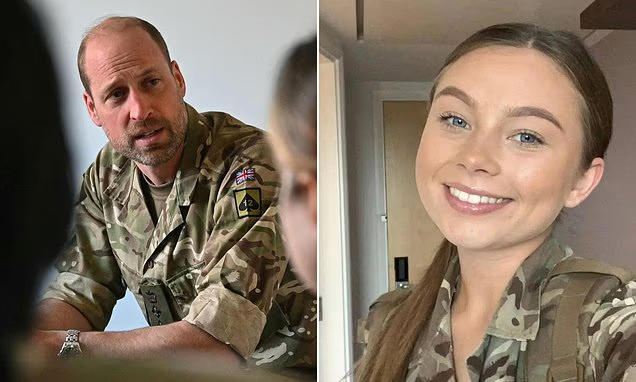
Prince William has spoken out about an issue that continues to raise important questions about equality, respect and safety within the military, expressing his frustration that some women serving in the armed forces still do not feel safe, respected or valued. His comments have brought renewed attention to the experiences of female service personnel and the challenges they can face while working in an environment traditionally dominated by men.
As a member of the Royal Family with a longstanding connection to the armed forces, the Prince of Wales understands the importance of military service, discipline and teamwork. His words carry particular significance because they highlight a subject that goes beyond military training or professional expectations. At its heart, the issue concerns whether every individual who chooses to serve their country can do so in an environment where they are treated fairly and with dignity.
The Prince’s frustration also reflects a broader conversation about the progress that still needs to be made to ensure women have equal opportunities and can build successful military careers without feeling overlooked, excluded or unsafe.
Prince William Highlights the Challenges Facing Women in the Military
For generations, women have played increasingly important roles in military organisations around the world. They serve in a wide range of positions, contribute to demanding operations and bring valuable skills, experience and leadership to their units. Yet their growing presence has not automatically eliminated the barriers that can affect their everyday working lives.
William’s remarks draw attention to a particularly troubling reality: being officially welcomed into an organisation does not necessarily mean feeling fully accepted within it.
Women in the armed forces may encounter challenges involving workplace culture, inappropriate behaviour, unequal treatment and concerns about whether their complaints will be taken seriously. Even when formal policies exist, the atmosphere within individual teams and units can have a significant impact on whether personnel feel comfortable speaking up.
The distinction between having equal rights on paper and experiencing equality in practice is an important part of this discussion.
For female service members, feeling respected means knowing that their professional abilities will be recognised, their contributions will be valued and their voices will be heard. Feeling safe means being able to perform their duties without having to worry about harassment, intimidation or discrimination.
These should be basic expectations in any workplace, particularly one that depends on trust, cooperation and mutual responsibility.
Why Feeling Safe and Respected Matters
Military service requires an extraordinary level of commitment. Personnel are expected to work under pressure, follow demanding training programmes and rely on colleagues in situations where teamwork can have serious consequences.
Trust is therefore essential.
When someone feels uncomfortable, unsupported or undervalued, the consequences can extend far beyond individual morale. A workplace in which personnel are reluctant to raise concerns can undermine communication, weaken confidence in leadership and make it harder for teams to operate effectively.
For women serving in the military, an environment that does not provide adequate support can also affect career development. Some may question whether they can pursue leadership positions, request new responsibilities or remain in the service long enough to reach their professional goals.
This is why conversations about safety and respect should not be treated as secondary concerns. They are closely connected to recruitment, retention, leadership and the overall strength of the armed forces.
William’s comments help reinforce the message that military institutions must do more than encourage women to join. They must also create conditions that allow them to thrive.