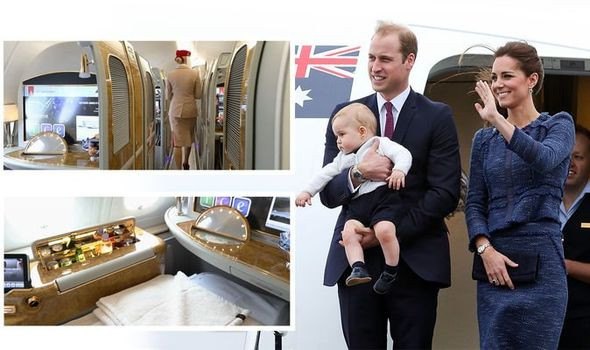
The British royal family is accustomed to a lifestyle that most people can only imagine, from grand state residences and exclusive events to international tours and official engagements. But when it comes to traveling around the world, one question continues to fascinate royal watchers: Do members of the British royal family ever fly commercial, or do they always travel by private jet?
The answer is more complicated than many people might expect. While royal travel can involve private aircraft, chartered planes, government transport, and specially arranged helicopters, members of the monarchy do not have unlimited access to private jets for every journey. Their travel arrangements depend on several factors, including security, official responsibilities, destination, distance, and the public nature of the trip.
Some royal journeys require elaborate transportation arrangements, while others can involve relatively ordinary methods of travel. Behind the glamour of royal appearances is a carefully managed system designed to balance efficiency, safety, public responsibilities, and financial considerations.
Here is a closer look at how the British royal family travels, when commercial flights may be an option, and why royal transportation rules are more complicated than they appear.
Does the British Royal Family Fly Commercial?
Yes, members of the British royal family can fly on commercial airlines, although the arrangements are not always the same as those used by ordinary passengers.
Royal travel is not governed by a simple rule requiring every member of the family to use private aircraft. Instead, transportation decisions are made according to the purpose of the journey and the circumstances surrounding it.
For official overseas visits, senior royals may use government-arranged aircraft or chartered planes when the schedule and security requirements make that practical. These arrangements allow them to travel with the necessary staff, security personnel, and official equipment.
However, commercial aviation can also be considered for certain journeys, particularly when the destination is relatively accessible and the security arrangements can be managed appropriately.
The important distinction is between official royal business and private travel.
When a royal represents the United Kingdom at an international event, the journey may involve government coordination and public funding. When traveling privately, the financial and logistical arrangements can be different.
This means there is no single transportation method that applies to every member of the monarchy or every trip.
Why Senior Royals Sometimes Use Private Aircraft
For senior members of the royal family, travel is often more complicated than simply booking a seat on an airplane.
Their schedules can involve several engagements across different cities or countries within a short period. A single overseas visit might include meetings with political leaders, visits to charitable organizations, official receptions, and public appearances.
Private or chartered aircraft can make these demanding schedules easier to manage.
One major advantage is flexibility. A specially arranged flight can operate according to the royal party’s itinerary rather than following a commercial airline’s fixed departure and arrival times.
This can be especially important when a royal visit involves several destinations or when unexpected scheduling changes occur.
Security is another consideration. Senior royals generally travel with protection officers, and official delegations may include private secretaries, communications staff, and other members of the royal household.
Organizing all these people around commercial flight schedules can create additional logistical challenges.
Private aviation can also provide greater control over arrival and departure arrangements. For individuals who regularly attract significant public attention, managing airport access and movements is an important part of travel planning.
However, using private aircraft does not mean that every royal journey automatically requires an expensive charter. The decision depends on the circumstances and the resources available.
The Royal Family’s Travel Rules Are More Complicated Than They Seem
One of the most interesting aspects of royal travel is that different members of the family can be subject to different arrangements.
The monarch, the heir to the throne, working royals, and other members of the extended royal family do not necessarily follow identical travel practices.
Official responsibilities are a major factor.
For example, when the King undertakes an overseas state visit, transportation arrangements are likely to involve significant government planning. The journey may require coordination between the royal household, government departments, diplomatic representatives, and security teams.
A private family holiday, on the other hand, is a different matter.
The distinction also applies to the level of public funding involved. Official royal travel may be supported through public resources under established arrangements, while private journeys generally have different financial considerations.
There are also security protocols that are not publicly disclosed in detail.
For obvious reasons, the monarchy does not publish every aspect of its travel procedures. Information about specific routes, schedules, aircraft arrangements, and protective measures is often kept private.
This makes it difficult to establish one universal rule about how the royals must travel.
Instead, royal transportation is best understood as a collection of arrangements adapted to individual journeys.
Prince William and the Travel Restrictions Surrounding the Future King
Prince William’s travel arrangements attract particular interest because of his position as heir to the British throne.
As a senior working royal, William regularly undertakes domestic and international journeys for official engagements. His responsibilities can include representing the monarchy, supporting charitable causes, attending diplomatic events, and promoting important initiatives.
However, his position also brings additional considerations.
Royal succession has traditionally influenced discussions about how senior members of the family travel together.
One longstanding practice has been to avoid having multiple direct heirs travel on the same aircraft, particularly when they are undertaking longer journeys. The reasoning is straightforward: separating senior members of the line of succession can reduce the potential consequences of an accident.
Such arrangements are generally understood as security precautions rather than an absolute legal requirement that applies identically to every journey.
When Prince William travels with Catherine and their children, the family’s transportation arrangements may therefore require additional planning.
As the children grow older and their official responsibilities evolve, the practical arrangements can change as well.
The public often sees the glamorous side of royal travel, but these decisions reflect the monarchy’s responsibility to consider continuity and institutional security.
Do King Charles and Queen Camilla Always Travel Together?
King Charles III and Queen Camilla frequently appear together during official engagements and overseas visits. However, their travel arrangements are determined by the requirements of each particular trip.
For major state visits, the King may travel using specially arranged aircraft that can accommodate the needs of the official delegation.
The Queen’s participation depends on the itinerary and the nature of the engagement.
Traveling together can be practical when both are attending the same events, but there can also be occasions when their schedules require separate journeys.
The monarch’s transportation needs are particularly demanding because official visits involve much more than simply arriving at a destination.
There may be diplomatic meetings, formal ceremonies, security briefings, and carefully coordinated public appearances.
Every movement needs to fit into an organized schedule.
This is one reason why royal travel can involve a combination of aircraft, helicopters, official vehicles, and other transportation methods.
What About Princess Anne, Prince Edward, and Other Working Royals?
Not every working royal travels in the same way as the monarch or the Prince of Wales.
Princess Anne, Prince Edward, and other senior members of the royal family undertake numerous official engagements throughout the United Kingdom and overseas.
Their transportation arrangements depend on the destination, schedule, and nature of their responsibilities.
For shorter domestic journeys, road and rail transportation may be practical options. For international visits, commercial flights, chartered aircraft, or other official arrangements may be considered depending on the circumstances.
Princess Anne, in particular, is known for maintaining an exceptionally busy schedule of public engagements.
Her approach to royal duties has often been associated with practicality and a strong work ethic. This has helped create an image of a royal who places considerable emphasis on getting the job done rather than making every appearance a glamorous occasion.
However, the exact transportation arrangements for individual trips are not always publicly available.
The same applies to other working royals, whose travel requirements can vary considerably.
Who Pays for Royal Flights?
The cost of royal travel is another subject that frequently attracts public interest.
Because the British monarchy performs constitutional and ceremonial duties, some official travel expenses are covered through public funding arrangements.
The Sovereign Grant is an important part of the financial system supporting the official work of the monarchy. It helps fund expenses associated with the King’s official duties, including certain travel and household costs.
However, it is important to distinguish between official journeys and private travel.
A state visit undertaken on behalf of the United Kingdom is not the same as a personal holiday. Different financial arrangements can apply depending on the purpose of the journey.
Government involvement may also be relevant when members of the royal family undertake official diplomatic visits.
Public scrutiny surrounding royal spending has encouraged greater attention to how transportation decisions are made.
The monarchy is expected to balance its official responsibilities with reasonable financial management, particularly when public money is involved.
That does not mean every royal flight is inexpensive. Chartering aircraft and organizing secure transportation can involve substantial costs.
Nevertheless, the purpose of the journey and the operational requirements are important factors when evaluating those expenses.
Why Royal Helicopters Are Also an Important Part of Travel
Aircraft are only one part of the British royal family’s transportation system.
Helicopters can play an important role, particularly when members of the monarchy need to travel between locations within the United Kingdom.
They can be useful for reaching destinations that are difficult to access quickly by road, especially when a royal has several engagements scheduled in different areas.
Helicopters can also help reduce travel time and make complex itineraries more manageable.
However, their use is subject to operational considerations, including weather, safety, availability, and the nature of the journey.
For shorter distances, a car or train may be more appropriate.
Royal transportation is therefore not simply about choosing the most luxurious option. It is about selecting a method that allows the schedule to be completed safely and efficiently.
The Surprising Truth About How the Royals Travel
So, does the British royal family fly commercial?
The answer is yes, commercial flights can be part of royal travel, but they are only one option in a much larger transportation system.
Senior royals may use government-arranged aircraft, chartered planes, helicopters, trains, and official vehicles depending on their responsibilities and the circumstances of each journey.
Security, succession considerations, scheduling, diplomatic obligations, and financial arrangements all influence those decisions.
Perhaps the biggest surprise is that there is no single rule requiring every royal to travel in the same way.
The British monarchy operates under a system in which transportation arrangements are adapted to individual roles and official requirements. While private aviation can offer important advantages, it is not automatically necessary for every trip.
Ultimately, royal travel is less about luxury alone and more about managing the complicated demands of representing one of the world’s most recognizable institutions.
Behind every royal departure is a carefully coordinated operation, reminding us that even something as ordinary as catching a flight can become considerably more complicated when you are part of the British royal family.