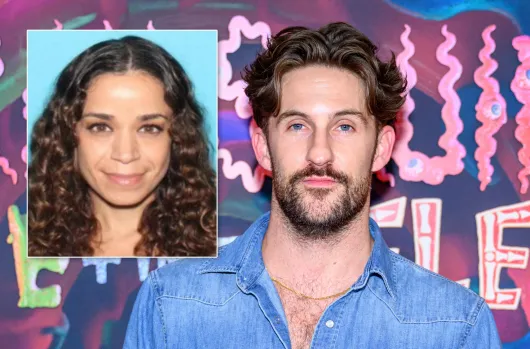
Leah McSweeney has officially brought a major legal chapter to a close, dropping her lawsuit against Andy Cohen, Bravo, and other parties after more than two years of legal proceedings. The former The Real Housewives of New York City star’s decision marks a significant development in a dispute that attracted considerable attention across the reality television industry.
McSweeney’s lawsuit, which began in February 2024, included allegations involving discrimination, a hostile work environment, and the handling of her personal struggles during her time on the Bravo reality series. The case also named executive producer Andy Cohen and production-related companies, placing the network and some of its most recognizable figures under renewed scrutiny.
The decision to dismiss the lawsuit represents an important turning point for McSweeney, who had publicly challenged the way she believed she was treated while working on the show. However, the conclusion of the legal action does not necessarily mean that every question surrounding the dispute has been answered.
For Bravo, Andy Cohen, and the wider Real Housewives franchise, the development brings an end to a highly publicized legal conflict that raised broader questions about workplace conditions, reality television production, and the responsibilities of entertainment companies toward their cast members.
Leah McSweeney’s Decision to Drop the Lawsuit
Leah McSweeney’s legal battle against Bravo and Andy Cohen began in February 2024, when she filed a lawsuit alleging that she had experienced discrimination and an unhealthy working environment during her involvement with The Real Housewives of New York City.
The case quickly became a major entertainment news story because it involved one of Bravo’s most successful reality television franchises and Andy Cohen, the network’s prominent executive and on-screen personality.
McSweeney’s claims focused on her treatment during production and what she described as unfair conduct connected to her personal circumstances. Her legal action also brought attention to the relationship between reality television production companies and cast members, particularly when personal challenges become part of a show’s storyline.
After more than two years, the former reality star has now chosen to drop the lawsuit.
Although the decision ends the legal action, the circumstances surrounding the dismissal are important. A voluntary dismissal does not automatically establish that the original allegations were true or false. It also does not, by itself, indicate that the parties reached a settlement or that the defendants admitted wrongdoing.
Without further confirmed details about the terms or reasons behind the decision, it would be inaccurate to draw conclusions about what happened privately between the parties.
Nevertheless, the development closes a chapter that has followed McSweeney since her departure from the reality television spotlight.
What Leah McSweeney Alleged Against Bravo and Andy Cohen
McSweeney’s lawsuit included serious allegations about her experience working within the Bravo reality television environment.
Among the issues raised were claims of discrimination and a hostile workplace. She also alleged that her personal struggles were handled in ways that she considered inappropriate and harmful.
The case brought renewed attention to the complicated relationship between reality television personalities and the companies responsible for producing their shows.
Unlike traditional scripted television, reality programs frequently build storylines around the real lives, relationships, and personal experiences of their participants. Cast members may be expected to discuss sensitive subjects while cameras are recording, creating difficult questions about privacy, consent, and professional boundaries.
McSweeney’s legal claims became part of a wider conversation about whether reality television stars receive adequate workplace protections and how production companies should respond when personal difficulties become relevant to filming.
It is important to emphasize that these were allegations made by McSweeney, not findings that should automatically be treated as established facts. The defendants disputed aspects of her claims, and the decision to drop the lawsuit does not amount to a judicial determination of the allegations.
Even so, the dispute attracted attention because it raised questions that extend beyond one cast member or one television series.
Leah McSweeney’s Time on The Real Housewives of New York City
McSweeney became a recognizable face on The Real Housewives of New York City after joining the cast in its 12th season in 2020.
Her arrival introduced a different personality to the established group of New York socialites. Known for her outspoken attitude, direct communication style, and willingness to challenge other cast members, she quickly became a memorable part of the show’s evolving dynamic.
Before entering reality television, McSweeney had already established herself as an entrepreneur and fashion industry personality. She founded Married to the Mob, a streetwear brand that developed a following through its bold designs and distinctive attitude.
Her background gave her a different perspective from some of the show’s longtime cast members. Rather than presenting herself as part of traditional New York high society, McSweeney brought a more unconventional personality and an entrepreneurial background to the series.
Her time on the show included friendships, disagreements, emotional conversations, and several memorable confrontations.
McSweeney returned for the 13th season in 2021 and remained part of the franchise during a period when RHONY was facing wider changes in its cast and direction.
Following the show’s major reboot, her future with the franchise changed, and she eventually became more widely associated with her legal dispute than with the television appearances that initially made her famous.
Why the Lawsuit Became Such a Major Reality TV Story
The lawsuit received significant attention because it involved two powerful elements of the reality television industry: Bravo and Andy Cohen.
Cohen is one of the most recognizable figures associated with the network. As an executive producer and host, he has played a central role in the development and public presentation of the Real Housewives franchise.
His involvement in the lawsuit made the case particularly newsworthy, as it placed a prominent television personality and executive at the center of allegations concerning workplace treatment.
The dispute also came at a time when reality television was facing increased public discussion about the pressures placed on cast members.
For years, reality programs have relied on emotional conversations, interpersonal conflict, and personal revelations to attract viewers. These elements can create compelling entertainment, but they can also expose participants to intense public scrutiny.
When a cast member raises concerns about how production decisions affect their well-being, the discussion can become much larger than the circumstances of one season.
McSweeney’s lawsuit therefore became part of a broader debate about the responsibilities of production companies, the expectations placed on reality stars, and the difference between entertaining television and a healthy working environment.
Andy Cohen and Bravo’s Position During the Dispute
Bravo and Andy Cohen faced the allegations through the legal process and disputed McSweeney’s claims.
As with any legal dispute involving serious accusations, it is important to distinguish between what one party alleges and what has been legally established.
The lawsuit created considerable public discussion, but the claims themselves were not equivalent to a final court ruling. The defendants had the opportunity to respond through the legal process, and the eventual dismissal means that the case is no longer proceeding toward a full resolution on the merits unless another legal action is brought.
For Bravo, the conclusion may bring some relief from a dispute that had become closely associated with discussions about the network’s production practices.
However, the wider questions raised by the case are unlikely to disappear simply because the lawsuit has ended.
Reality television continues to depend on the participation of people whose personal lives become part of a commercial entertainment product. The relationship between cast members and production companies will therefore remain a subject of interest among viewers, industry professionals, and media observers.
What the Lawsuit’s Dismissal Means
The most immediate consequence of McSweeney’s decision is that her legal action against Cohen, Bravo, and the other named parties has come to an end.
However, the meaning of a dismissal depends on the specific legal terms involved.
A voluntary dismissal can occur for several reasons, including a decision to move on, a change in legal strategy, a private agreement, or other considerations. Unless the terms are publicly confirmed, it is not possible to determine which explanation applies.
It is also important not to confuse a lawsuit being dropped with a court ruling that clears one side or finds the other side responsible.
For McSweeney, the decision may allow her to focus on her business interests, personal life, and future projects without the ongoing demands of litigation.
For Bravo and Cohen, it brings an end to this particular legal challenge, although public discussion about the allegations may continue.
The outcome also serves as a reminder that high-profile legal disputes can remain in the news long after the original events that prompted them.
Leah McSweeney’s Life Beyond RHONY
Although McSweeney became widely known through The Real Housewives of New York City, her career has never been limited to television.
Her fashion business, Married to the Mob, helped establish her identity as an entrepreneur before her reality television debut. The brand’s distinctive approach to streetwear gave her a platform within fashion and popular culture.
Reality television expanded her public profile, introducing her personality and personal experiences to a much larger audience.
Following her time on RHONY, McSweeney continued to attract attention through interviews, public appearances, and discussions about her experiences in the entertainment industry.
The lawsuit also brought a different kind of visibility, shifting public interest from her relationships with fellow cast members to her claims about the production environment.
Now that the legal action has been dropped, attention may gradually return to what comes next in her professional life.
Whether she chooses to pursue additional television opportunities, focus on fashion, or develop new projects remains to be seen.
The Wider Impact on the Real Housewives Franchise
The Real Housewives franchise has become one of the most recognizable brands in reality television, producing multiple successful editions and creating major personalities across different cities.
Its popularity is built around a combination of friendship, conflict, luxury lifestyles, family dynamics, and personal storytelling.
However, the franchise’s success also means that disputes involving cast members can attract enormous attention.
McSweeney’s lawsuit highlighted the importance of considering how reality television participants are treated behind the scenes. While viewers see edited episodes, cast members experience the filming process directly, including the pressures associated with discussing personal subjects in front of cameras.
The case has encouraged further discussion about the balance between producing compelling entertainment and maintaining appropriate professional standards.
For a franchise that continues to evolve, these conversations may influence how audiences evaluate the programs and the people who create them.
The Bottom Line
Leah McSweeney’s decision to drop her lawsuit against Andy Cohen, Bravo, and other parties after more than two years marks the end of a significant legal chapter connected to her time on The Real Housewives of New York City.
The lawsuit, filed in February 2024, included allegations involving discrimination and workplace treatment that brought wider attention to the realities of working in unscripted television.
Although the case has now been dropped, its conclusion should not be interpreted as proof that the allegations were established or disproved. The specific reasons behind the dismissal remain important, and the broader questions raised by the dispute continue to be relevant to the reality television industry.
For McSweeney, the next chapter may offer an opportunity to move beyond the legal battle and focus on her future. For Bravo and Andy Cohen, the dismissal brings an end to this particular lawsuit but does not erase the public conversation surrounding reality television workplace practices.
Ultimately, the story is about more than one former RHONY star and one network. It reflects the complicated relationship between entertainment, personal boundaries, and the responsibilities that come with turning real lives into television.