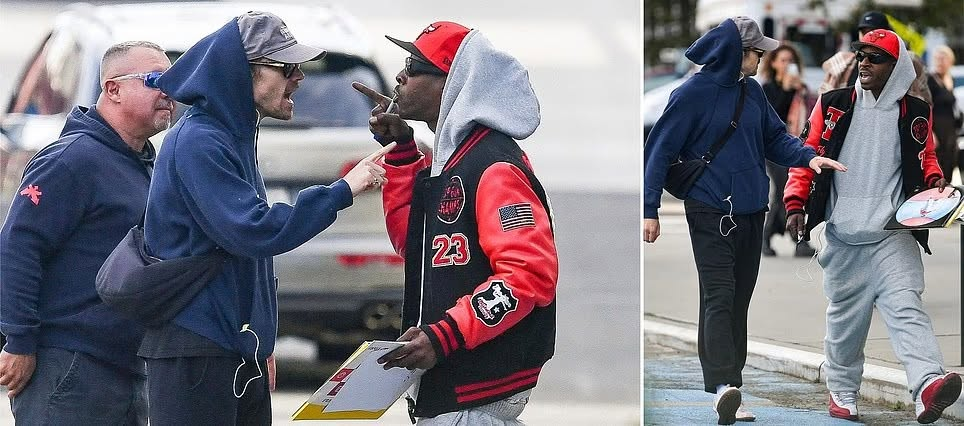
Even the biggest stars sometimes want nothing more than to enjoy a quiet walk without being recognized, approached, or followed. Harry Styles, one of the world’s most recognizable pop performers, reportedly experienced an uncomfortable moment during a low-key stroll through New York City after an autograph seeker followed him along the street.
The encounter offered a glimpse into a less glamorous side of celebrity life, highlighting the tension between public admiration and the need for personal space. While fans may view an unexpected encounter with a favorite singer as an exciting opportunity, the experience can feel very different for the person being approached, particularly when they are trying to enjoy time away from work.
Styles has spent years navigating international fame, from his early success with One Direction to his achievements as a solo artist and actor. His distinctive fashion choices, chart-topping songs, and charismatic public image have made him a frequent subject of entertainment headlines. Yet his reported frustration during the New York City outing serves as a reminder that fame does not eliminate the need for privacy.
For celebrities, an ordinary walk can quickly become an unwanted public encounter. The situation also raises a broader question about the boundaries between fan enthusiasm and personal space, especially in a world where smartphones make almost any public moment available for online sharing.
Harry Styles’ New York City Walk Takes an Uncomfortable Turn
New York City is known for its busy streets, diverse neighborhoods, and constant movement. It is also a place where celebrities sometimes attempt to blend into the crowd, enjoying a coffee, visiting a shop, or taking a walk without turning the outing into a public event.
For Harry Styles, however, a reportedly quiet stroll became uncomfortable when an autograph seeker allegedly followed him along the street.
Styles appeared visibly frustrated during the encounter, according to the account of the incident. Although the details of any private exchange should not be assumed without confirmation, the reported situation highlights the difficulty of maintaining personal boundaries when a celebrity is recognized in public.
An autograph request is not inherently inappropriate. Many performers appreciate the support of their audiences, and brief, respectful interactions can create positive memories for both fans and artists.
The situation becomes more complicated when someone continues pursuing a celebrity after it becomes clear that the person may not want to engage. Following someone along a street can turn a seemingly harmless request into a stressful experience, particularly when the individual is simply trying to go about their day.
For Styles, who regularly attracts attention from fans and photographers, even an unplanned walk may carry the possibility of being recognized.
The reported encounter illustrates how quickly an ordinary moment can become uncomfortable when personal boundaries are not respected.
It also serves as a reminder that a celebrity’s presence in a public place does not automatically mean they are available for photographs, signatures, or conversation.
Why Harry Styles Continues to Attract So Much Attention
Styles’ global popularity has developed over more than a decade, beginning with his rise to fame as a member of One Direction.
The British singer became an international star as part of the hugely successful boy band, whose songs and energetic performances attracted a devoted fan base around the world. Following the group’s hiatus, Styles established himself as a solo artist with a sound and visual identity that differed from his earlier work.
His solo career produced major hits, including Sign of the Times, Watermelon Sugar, and As It Was. These songs helped demonstrate his ability to reach audiences beyond the pop audience that first discovered him through One Direction.
Styles has also built a reputation for experimenting with fashion, embracing bold colors, distinctive silhouettes, and styles that challenge conventional expectations of menswear. His public appearances often generate discussion, adding another dimension to the attention surrounding his career.
His work in film has further expanded his profile. Appearances in productions such as Dunkirk and Don’t Worry Darling introduced him to audiences who may have known him primarily through music.
This combination of music, fashion, and acting has made Styles a prominent figure in contemporary popular culture.
However, the same visibility that supports a successful entertainment career can make ordinary activities more difficult. A recognizable face, an unmistakable personal style, or the presence of a nearby fan can quickly attract attention.
For an artist whose daily movements may interest millions of people, finding a quiet moment can require more effort than it would for someone outside the public eye.
The Fine Line Between Admiration and Invasion of Privacy
Celebrity culture often encourages fans to feel connected to the people whose work they admire. Music can become part of someone’s personal history, providing comfort during difficult periods or serving as the soundtrack to important memories.
That emotional connection can make meeting a favorite artist feel especially significant.
For some fans, an autograph or photograph becomes a treasured keepsake. A brief encounter can provide a personal memory associated with a song, album, concert, or period of their lives.
Nevertheless, admiration does not create an automatic right to another person’s attention.
The distinction between respectful enthusiasm and intrusive behavior often depends on whether the celebrity has a genuine opportunity to choose whether to participate. A polite request made in an appropriate setting leaves room for the person to accept or decline.
Following someone who is attempting to continue walking can remove that freedom, making the interaction feel more like pressure than appreciation.
This distinction is important because public figures remain entitled to reasonable personal boundaries, even when they are outside their homes or workplaces.
Being recognized in a public place does not mean a person has agreed to an extended interaction. Nor does a history of friendly fan encounters guarantee that a celebrity will always be willing to stop.
Styles’ reported experience in New York City provides an opportunity to consider how fans can show support without making an ordinary day unnecessarily stressful.
A respectful approach means recognizing that a celebrity may be busy, tired, distracted, or simply not in the mood to talk. If the person declines an autograph or continues walking, accepting that decision is an essential part of the interaction.
Why Even a Short Walk Can Become Difficult for a Global Star
For many people, walking through a city offers a welcome break from responsibilities. It provides an opportunity to think, observe the surroundings, get some fresh air, or enjoy a little time alone.
For a celebrity of Styles’ stature, that ordinary experience can be more complicated.
Recognition may attract attention from fans, photographers, and passersby. Once someone notices a famous person, others may follow, hoping to capture a photograph or witness an encounter.
Smartphones can amplify the situation. Images and videos taken during a brief street appearance may be posted online within minutes, allowing a moment that might otherwise have passed unnoticed to reach a large audience.
That visibility can encourage additional attention, particularly when people begin sharing information about where a celebrity has been seen.
As a result, some stars may find it difficult to enjoy spontaneous activities without wondering whether their privacy will be interrupted.
It is important not to assume that every celebrity dislikes public attention. Many performers willingly interact with fans, attend public events, and share selected aspects of their lives through social media.
The issue is the absence of choice.
A concert, premiere, or organized fan event is designed around public interaction. A personal walk through a neighborhood is different, even when it takes place on a busy street.
The reported New York City encounter illustrates that distinction. Styles’ professional success depends partly on public visibility, but that does not mean every moment of his private life needs to become a fan opportunity.
Harry Styles and the Pressure of Living in the Public Eye
Fame can bring significant opportunities, including artistic freedom, professional recognition, and the ability to connect with audiences around the world. It can also introduce pressures that are difficult for people outside the entertainment industry to fully understand.
For an internationally recognized artist, public attention may extend beyond performances and official appearances. Fans and entertainment outlets may take an interest in personal relationships, clothing choices, travel, and even everyday errands.
That level of scrutiny can make it challenging to separate professional identity from private life.
Styles has maintained a prominent public profile while pursuing different creative interests, including music, acting, and fashion. His popularity means that even a brief appearance in an ordinary setting can become a topic of discussion.
However, a celebrity’s visibility should not be confused with unlimited access.
Artists may choose to speak openly about certain aspects of their lives while keeping other areas private. They may also decide when they are comfortable interacting with fans.
Respecting those decisions helps create a healthier relationship between performers and the audiences who support them.
It also recognizes that public figures are people with ordinary needs, including time to rest, move around freely, and spend moments without being expected to perform.
For Styles, a simple walk may be just that: a chance to step away from the demands of a busy career.
How Fans Can Show Support Without Crossing Boundaries
Fans do not need to abandon their enthusiasm to respect a celebrity’s privacy. In fact, considerate behavior can make interactions more positive when an opportunity to meet an artist genuinely arises.
A brief, polite request is generally more appropriate than insisting on attention. If a celebrity declines, appears uncomfortable, or continues moving, the respectful response is to let the encounter end.
It is also worth considering the effect of filming or photographing someone without permission. Although taking photographs in public may be legally permitted in many circumstances, the social and personal implications can still vary.
Repeatedly following someone, blocking their path, or sharing real-time information about their movements can create additional pressure and potentially compromise their sense of safety.
Fans can show appreciation in many other ways. Supporting an artist’s music, attending concerts, discussing their work, and sharing positive messages are meaningful forms of engagement that do not require access to their personal time.
For performers like Styles, who have millions of listeners worldwide, that support can remain significant even when an individual fan never receives a personal autograph.
Ultimately, a healthy fan culture recognizes that appreciation and respect should exist together.
The goal of meeting a favorite artist should never be to force an interaction. It should be to create a positive moment if both people are comfortable participating.
The Bigger Conversation About Celebrity Privacy
The reported encounter involving Styles reflects a wider issue in modern entertainment: the difficulty of maintaining privacy when public interest follows celebrities beyond their professional lives.
Social media has transformed how fans discover news about their favorite stars. A single photograph can generate thousands of comments, while a short video may be shared widely before the people involved have had time to reflect on the experience.
This rapid circulation of personal moments can blur the boundary between public entertainment and private experience.
It can also create the impression that every celebrity sighting is an opportunity for content, rather than an encounter involving another person who deserves consideration.
There is a difference between reporting on a public figure’s professional activities and treating every ordinary movement as an event that must be documented.
A more balanced approach allows audiences to remain interested in celebrities while acknowledging their need for personal space.
Styles’ reported frustration is a useful reminder that public figures do not stop being individuals when they leave a venue or step away from a performance.
The same basic courtesy that people expect in their own lives should extend to those whose work happens to be famous.
The Bottom Line
Harry Styles’ reported uncomfortable encounter during a quiet walk through New York City highlights one of the less glamorous realities of international fame.
After an autograph seeker allegedly followed him along the street, the singer appeared visibly frustrated, offering a reminder that even the world’s most recognizable performers may want to enjoy ordinary moments without being approached or pursued.
Styles’ remarkable career has brought him a devoted global audience, successful solo albums, major film roles, and considerable attention from the fashion world. Yet none of those achievements removes his need for personal space.
The incident also highlights an important distinction between admiration and entitlement. Fans can appreciate an artist’s work while recognizing that a public figure may not always be available for photographs, autographs, or conversation.
Ultimately, the most meaningful form of support is one that respects boundaries. A celebrity’s decision to keep walking should not be interpreted as a rejection of their audience, but as a personal choice that deserves to be honored.
For Harry Styles, a quiet stroll may have been nothing more than an attempt to enjoy a normal afternoon. The reported encounter serves as a reminder that, behind the music, fame, and headlines, celebrities are people who deserve the same basic courtesy and freedom of movement as everyone else.