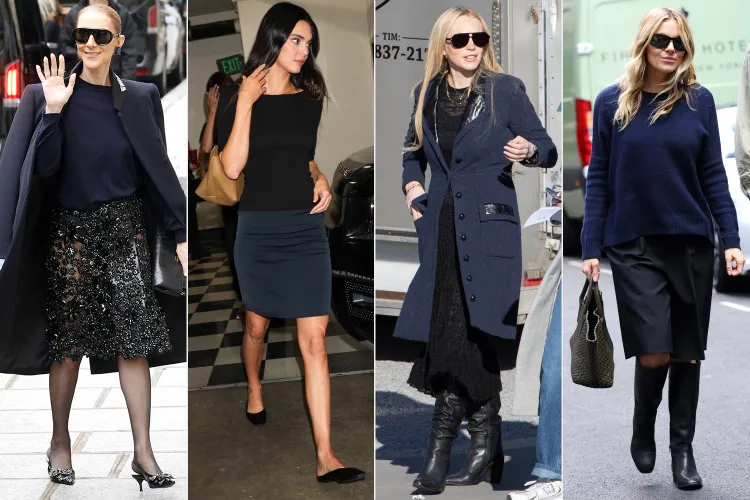
Fashion has always been a playground for unexpected combinations, but some color pairings remain surprisingly controversial. They can look effortlessly chic on one person and completely mismatched on another, leaving many of us wondering whether they belong together at all. Yet every so often, a celebrity steps out in an outfit that challenges conventional styling rules and makes an unlikely combination suddenly feel irresistible.
That is exactly what makes the style choices of Céline Dion and Kendall Jenner so fascinating. Although they have very different approaches to fashion, both have demonstrated how confident styling can transform an unconventional look into a memorable fashion moment. Their influence encourages fashion lovers to reconsider combinations they might otherwise avoid.
For anyone who has hesitated to experiment with contrasting shades, the lesson is simple: the right color combination can be less about following strict rules and more about understanding balance, proportion, and personal style.
But how can everyday fashion enthusiasts recreate that polished effect without looking as though they got dressed in the dark? To find out, we turn to the principles professional stylists use when working with bold colors, unexpected contrasts, and statement-making outfits.
Why Unexpected Color Combinations Are Having a Fashion Moment
For years, many people approached getting dressed with a familiar set of rules. Neutral shades were considered safe, complementary colors were encouraged, and combinations that appeared too contrasting were often avoided.
However, modern fashion has become much more experimental. Designers, stylists, and celebrities increasingly embrace the idea that clothes should communicate personality rather than simply follow a traditional formula.
Unexpected color pairings are particularly effective because they create visual interest. When two shades appear together in a way that feels slightly surprising, the contrast can make an outfit more memorable.
The trick is understanding that not every bold combination works automatically. Some colors compete for attention, while others create an appealing tension that makes the entire outfit feel intentional.
Céline Dion has long been associated with dramatic fashion choices, particularly during appearances when she embraces striking silhouettes and expressive styling. Kendall Jenner, meanwhile, is often associated with a more streamlined aesthetic that combines understated pieces with carefully selected statement elements.
Their differing approaches illustrate an important point: experimenting with color does not require adopting one particular fashion personality. A bold combination can work in a dramatic outfit or a minimalist wardrobe, depending on how the individual pieces are styled.
Céline Dion’s Approach to Fashion: Confidence Comes First
Céline Dion has built a reputation for treating fashion as an opportunity for self-expression. Over the years, her public appearances have demonstrated a willingness to explore dramatic proportions, unusual silhouettes, and designs that demand attention.
Her style evolution has also helped challenge the idea that fashion should become more conservative with age. Instead, her most memorable looks often emphasize individuality and the freedom to experiment.
That attitude is particularly relevant when considering unconventional color combinations. A pairing that initially seems difficult to wear can become much more appealing when the wearer approaches it with confidence.
Of course, confidence alone cannot make every outfit successful. The proportions, fabrics, and placement of colors still matter. But confidence can influence how an outfit is perceived, especially when the clothing makes a deliberate visual statement.
For everyday dressing, the lesson is not necessarily to recreate a celebrity’s most dramatic appearance. It is to identify one element that feels exciting and incorporate it into a wardrobe in a manageable way.
A colorful coat, an unexpected pair of shoes, or a contrasting handbag can provide the same sense of experimentation without requiring an entirely new wardrobe.
Kendall Jenner’s Minimalist Style Offers a Different Lesson
Where Céline Dion often embraces fashion’s theatrical possibilities, Kendall Jenner’s public style frequently demonstrates the appeal of simplicity.
Clean lines, streamlined silhouettes, and restrained accessories can create a useful foundation for experimenting with color. When an outfit has a relatively uncomplicated shape, contrasting shades have more room to stand out without overwhelming the overall look.
This is one reason minimalist styling can be particularly effective when introducing a divisive color pairing. Instead of adding several competing elements, the wearer allows the colors to become the main attraction.
Imagine combining two shades that rarely appear together in your wardrobe. Rather than introducing elaborate patterns, statement jewelry, and multiple accessories at the same time, start with a simple top and tailored trousers.
The result can feel modern because the contrast appears deliberate rather than accidental.
Jenner’s broader fashion influence also illustrates how a trend can be adapted to different lifestyles. A look seen on a celebrity runway appearance or street-style photograph may seem difficult to recreate initially, but its underlying principles can often be translated into more practical clothing choices.
The goal is not to copy an entire outfit. It is to understand what makes the styling work and apply that idea to pieces you already own.
The Stylist’s Guide to Making a Divisive Color Combo Work
When two colors seem difficult to combine, a professional stylist would typically consider several factors before deciding how to bring them together.
1. Choose One Color to Lead
One of the easiest ways to make a bold color pairing feel balanced is to establish a clear visual hierarchy.
Instead of giving both shades equal attention, choose one as the dominant color and use the other as an accent. This creates a sense of structure and prevents the outfit from feeling overly busy.
For example, a coat in a strong color can become the focal point while a smaller accessory introduces the contrasting shade. Alternatively, trousers can provide the dominant color while a top or handbag supplies the unexpected detail.
The exact proportions will depend on the colors involved, but the principle remains the same: a clear focal point makes an outfit easier to understand visually.
2. Pay Attention to Undertones
Not all versions of a color behave the same way. A warm-toned red can look very different from a cooler, blue-based red, even though both belong to the same broad color family.
The same applies to shades of pink, green, blue, yellow, and brown.
When combining colors, consider whether their undertones create an appealing contrast or make the overall outfit feel disconnected. Some pairings work because their differences are striking; others look harmonious because their undertones share a subtle connection.
There is no universal rule that every shade must match perfectly. Instead, compare the actual garments in natural light and pay attention to how the colors interact.
Sometimes a slightly softer shade is all it takes to make a combination feel more wearable.
3. Use Neutral Colors to Create Breathing Room
Neutral shades can help anchor an outfit built around two unexpected colors.
Black, white, gray, beige, cream, and denim can provide visual breathing room, especially when the main color pairing is particularly vivid.
For instance, if two bright shades feel overwhelming when worn together across large areas, introduce a neutral jacket, a simple pair of trousers, or understated shoes.
This approach allows the contrasting colors to remain the stars without requiring the entire outfit to compete for attention.
Neutrals are not essential, however. Some of the most striking outfits rely entirely on color. The important consideration is whether the final look feels balanced and appropriate for the occasion.
4. Consider Fabric and Texture
Color is only one part of the styling equation. Texture can influence how a shade appears and how two garments work together.
A glossy fabric reflects light differently from a matte one. Knitwear may soften a bright shade, while structured tailoring can make the same color appear sharper and more formal.
Combining different textures can also add depth to an outfit without introducing additional colors.
A smooth satin piece paired with a textured knit, for example, creates visual contrast through material rather than relying exclusively on color.
When experimenting with a divisive combination, this can be an effective way to make the result feel considered and sophisticated.
5. Keep Accessories Under Control
Accessories can either reinforce a bold outfit or make it feel unnecessarily complicated.
When trying an unfamiliar color pairing for the first time, consider keeping jewelry, bags, and shoes relatively simple. This allows you to evaluate the combination itself before adding more visual elements.
Once you feel comfortable with the pairing, you can experiment with accessories that repeat one of the colors or introduce a complementary accent.
The most important thing is to avoid assuming that every detail must match exactly. Sometimes an accessory that echoes a color subtly creates a more natural effect than a perfectly coordinated set.
How to Wear Bold Colors in Everyday Life
Celebrity fashion photographs can make adventurous styling appear effortless, but everyday dressing involves practical considerations. Clothes need to feel comfortable, suit the occasion, and fit into a person’s existing wardrobe.
Fortunately, experimenting with contrasting colors does not require a dramatic makeover.
For a casual daytime outfit, start with a familiar foundation such as jeans and a simple top. Introduce the unexpected color through a cardigan, bag, or pair of shoes.
For work, a tailored jacket or structured trousers can provide a polished base for a more adventurous shade. Keeping the silhouette relatively simple helps the color combination feel appropriate without losing its personality.
For an evening event, consider allowing the colors to take center stage through a dress, coordinated separates, or a statement outer layer. Accessories can remain understated if the clothing already provides enough visual interest.
The most useful approach is to begin with pieces you genuinely enjoy wearing. A color combination will feel more natural when it reflects your preferences rather than simply reproducing a trend.
It is also worth considering how often you will wear each item separately. Pieces that work with several other garments tend to offer greater versatility than clothing purchased solely for one striking outfit.
Common Mistakes to Avoid When Mixing Colors
Even the most exciting color combinations can become difficult to style when too many competing elements are introduced at once.
One common mistake is assuming that every bold color needs another equally bold color beside it. In reality, contrast often works best when the outfit has a clear focal point.
Another is choosing shades based entirely on how they appear in photographs. Lighting, editing, and screen settings can affect how colors look, so it is helpful to examine clothing in person whenever possible.
Proportion also matters. A small accessory in a vivid shade creates a different effect from a coat or pair of trousers in the same color. If a combination feels overwhelming, try changing the amount of each shade rather than abandoning the pairing altogether.
Finally, avoid treating traditional color rules as absolute requirements. Fashion advice can provide useful guidance, but personal preference should remain part of the decision.
An outfit does not have to appeal to everyone to be successful. It needs to feel intentional, comfortable, and authentic to the person wearing it.
Why Celebrity Style Can Inspire More Personal Fashion Choices
The appeal of celebrity fashion is not simply that famous people have access to expensive designers or professional styling teams. Their looks can also encourage audiences to reconsider familiar ideas about clothing.
Céline Dion’s expressive approach to fashion and Kendall Jenner’s often streamlined aesthetic represent different ways of engaging with style. One can inspire a more adventurous attitude, while the other demonstrates how simplicity can give an unusual detail room to shine.
Together, these approaches suggest that there is no single formula for wearing color well.
Someone who loves statement pieces might choose a dramatic coat and contrasting accessories. Another person might prefer a neutral outfit with just one unexpected shade. Both approaches can work because good styling depends on context, proportion, and personal taste.
Celebrity inspiration is most useful when it opens up possibilities rather than creating pressure to imitate a particular look.
Instead of asking whether an outfit follows every rule, ask whether its colors complement the overall design and whether you feel comfortable wearing it.
That shift in perspective can make fashion more enjoyable and experimentation less intimidating.
The Bottom Line
Céline Dion and Kendall Jenner offer different but equally interesting reminders that personal style does not have to remain within familiar boundaries. Their fashion influence encourages a closer look at the possibilities of color, proportion, and confidence.
A divisive color combination may initially seem difficult to wear, but the right styling choices can make it feel surprisingly natural. Choosing a dominant shade, considering undertones, balancing textures, and keeping accessories intentional are all practical ways to approach an unfamiliar pairing.
Most importantly, there is no need to transform an entire wardrobe to try something new. A single accessory or carefully chosen garment can be enough to test the idea.
The real secret to pulling off an unexpected color combination is not memorizing a long list of fashion rules. It is understanding how the pieces work together and giving yourself permission to experiment.
After all, some of the most interesting outfits begin with a combination that someone once thought would never work. With a little attention to detail and a willingness to trust your own taste, that supposedly divisive pairing might become one of the most distinctive elements of your personal style.