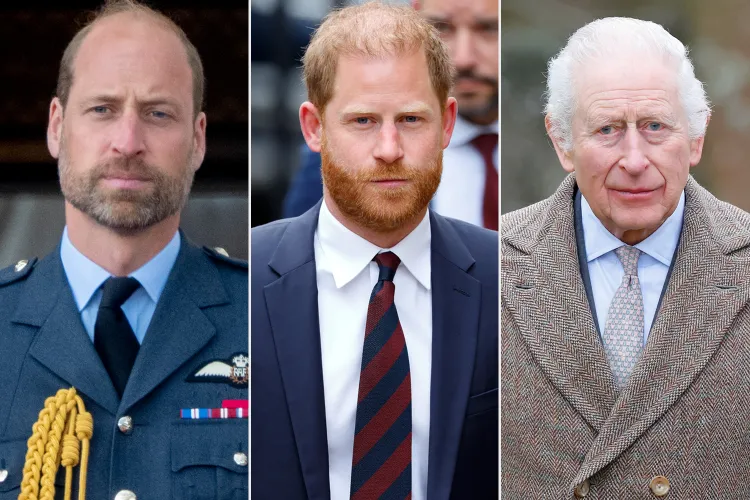
Prince Harry has reignited hopes of a possible reconciliation with the British royal family after expressing a desire to work through their differences and repair relationships that have been strained for years. His comments have renewed attention on the Duke of Sussex’s complicated relationship with his father, King Charles III, his brother, Prince William, and the institution he left behind when he stepped away from senior royal duties.
For royal watchers, the possibility of reconciliation represents one of the most closely followed unresolved stories surrounding the modern monarchy. Harry’s departure from royal life in 2020, his subsequent public interviews, and the publication of his memoir Spare exposed deep divisions that appeared difficult to overcome. Yet his reported desire to move forward suggests that the prospect of rebuilding family connections remains an important consideration.
The question now is whether a willingness to reconcile can translate into meaningful progress. Family relationships are rarely repaired through a single conversation, particularly when disagreements have unfolded in public and involved years of hurt, conflicting accounts, and intense media scrutiny.
Harry’s comments also raise a broader question about the balance between personal healing and public responsibility. For a man whose life has been shaped by royal traditions, family expectations, and worldwide attention, finding a path toward peace may require patience, trust, and a willingness from everyone involved to approach the past differently.
Prince Harry’s Hope for Reconciliation
The idea of reconciliation has remained central to discussions about Harry’s relationship with the royal family since his decision to leave the United Kingdom and establish a new life in the United States with Meghan Markle.
His departure marked a dramatic turning point. Harry had spent much of his adult life carrying out official engagements, supporting charitable causes, and representing the monarchy. Meghan’s arrival brought a new dynamic to the family, while the couple’s experiences with media attention and royal expectations became increasingly contentious.
In January 2020, Harry and Meghan announced that they intended to step back as senior members of the royal family and work toward financial independence. Following discussions with the late Queen Elizabeth II and other senior royals, their new arrangement meant they would no longer undertake their previous roles as working members of the monarchy.
The decision created a significant divide between the Sussexes and the institution. It also placed Harry in the unusual position of attempting to preserve personal family relationships while building a life outside the organization that had defined much of his upbringing.
His subsequent public statements have revealed the depth of his concerns about royal life and the relationships that became strained during the transition.
Against this background, any expression of a desire to reconcile carries emotional significance. It suggests that, despite the disagreements, the possibility of restoring family connections has not necessarily disappeared.
However, reconciliation is a process rather than a declaration. Even when one person expresses a willingness to repair a relationship, progress depends on the circumstances, expectations, and choices of everyone involved.
Why Prince Harry’s Relationship With King Charles Matters
One of the most significant relationships in Harry’s royal story is the one he shares with his father, King Charles III.
For much of Harry’s life, Charles was both a parent and a central figure in the royal institution. Their relationship developed under unusual circumstances, with family experiences often intersecting with public duties and media attention.
Harry’s childhood was marked by the death of his mother, Princess Diana, in 1997. He was just 12 years old when Diana died in a car crash in Paris, an event that profoundly affected both Harry and William.
The brothers grew up under intense public scrutiny as they navigated grief while preparing for their future roles within the royal family. Over the years, Harry has spoken about the challenges of growing up in the public eye and the emotional impact of his experiences.
His relationship with Charles later became a subject of wider discussion following Harry and Meghan’s departure from royal duties. In interviews and in Spare, Harry described disagreements and tensions within the family, offering his own perspective on events that had previously been discussed largely through media reports.
The publication of such personal accounts inevitably complicated the prospect of private reconciliation. Family members seeking to rebuild trust must often navigate not only their own memories but also the public narratives that have developed around their disagreements.
Nevertheless, the relationship between a father and son can remain deeply significant even after years of estrangement. If both men are willing to communicate openly, there may be opportunities to establish new boundaries and rebuild some degree of trust.
Whether that can happen in Harry and Charles’s case remains a private matter, and public comments alone cannot establish the current state of their relationship.
Prince William and Harry Face a Different Challenge
While Harry’s relationship with his father has attracted considerable attention, his estrangement from Prince William presents another challenge.
The brothers shared a childhood shaped by the loss of their mother and the unique pressures of royal life. For years, their relationship was often portrayed as a close partnership, with both men supporting charitable causes and undertaking official engagements.
Their paths began to diverge as their adult responsibilities and personal lives changed. William remained a senior working royal, eventually becoming heir to the throne, while Harry pursued a different future with Meghan.
The brothers’ disagreements have since become the subject of extensive media coverage. Harry’s public accounts of family tensions, including those described in Spare, intensified speculation about whether the relationship could be repaired.
For William, the situation also involves his responsibilities to the monarchy and his own family. As the Prince of Wales, he must balance personal relationships with public duties and the expectations attached to his future position.
That does not mean reconciliation is impossible. It does mean that any effort to rebuild their relationship would likely require careful consideration of privacy, trust, and the boundaries each brother wishes to maintain.
A meaningful reunion would not necessarily require them to agree on every event or interpretation of the past. Instead, it could begin with a willingness to communicate respectfully and recognize that their experiences of family life may have differed.
For brothers whose relationship has unfolded under global scrutiny, even small steps toward understanding could represent a significant change.
How Public Disagreements Complicated the Royal Family Rift
The Sussexes’ departure from royal duties did not take place quietly. Their decision was followed by interviews, documentaries, public statements, and a memoir that offered personal accounts of their experiences within the monarchy.
Harry and Meghan have described feeling constrained by royal expectations and concerned about the treatment they received from sections of the British media. Their accounts generated widespread debate, with supporters arguing that they had a right to explain their experiences and critics questioning the wisdom of discussing family disputes so publicly.
The resulting controversy made it more difficult to separate private disagreements from public opinion.
When a family conflict becomes an international story, every statement can be interpreted as a signal of hostility or an invitation to reconciliation. Private conversations may also become more difficult because participants know their words could eventually be reported, analyzed, or taken out of context.
For the royal family, maintaining discretion has traditionally been an important part of institutional life. Harry and Meghan, by contrast, have used interviews and other media projects to explain their perspective directly to audiences.
These different approaches have contributed to the tension.
Reconciliation would therefore involve more than resolving individual disagreements. It could also require an understanding of how the family communicates, what information should remain private, and how future misunderstandings might be prevented.
A successful process would likely need to move beyond public statements and take place through private conversations that allow all parties to speak without the immediate pressure of international attention.
Meghan Markle’s Role in Harry’s New Life
Meghan has been a central part of Harry’s journey since their relationship became public. Their marriage in May 2018 brought together a British prince and an American actress whose experiences and backgrounds differed significantly.
Their decision to step back from senior royal duties was made as a couple, and their move to California marked the beginning of a new chapter centered on independence, family life, and professional projects.
Meghan has also experienced her own difficult relationship with parts of the wider royal story. Her estrangement from her father, Thomas Markle, became a major subject of public discussion before the wedding, while her experiences as a working royal generated further debate.
For Harry, building a future with Meghan has meant establishing a household outside the traditional royal structure. Their children, Prince Archie and Princess Lilibet, are central to that life.
Any improvement in Harry’s relationship with his relatives could have implications for the wider family, but it would not automatically resolve every disagreement involving Meghan or other members of the Sussex family.
It is important not to assume that Harry’s wish for reconciliation means Meghan has made a particular decision or that the couple share identical views about every aspect of the royal dispute.
Their relationship is their own, just as the relationships between Harry and his relatives involve individual histories and feelings.
Ultimately, a sustainable reconciliation would need to respect the boundaries and concerns of everyone involved rather than depend on one person changing their position entirely.
Can the Royal Family Put the Past Behind Them?
The possibility of reconciliation raises an important question: what would it actually look like?
For some families, reconciliation means returning to the relationship they had before a disagreement. For others, it involves accepting that circumstances have changed and building a different kind of connection.
In Harry’s case, a return to his former role as a senior working royal is not necessarily the same thing as repairing relationships with his father or brother. The couple’s departure from royal duties changed their professional circumstances, while their family disagreements created separate emotional challenges.
A realistic path forward might involve private conversations, clearer expectations, and an agreement to avoid allowing every interaction to become part of the public debate.
Trust would also be essential. When family members have shared conflicting accounts of painful experiences, rebuilding confidence in one another can take time. Promises may need to be supported by consistent actions, and some subjects may remain difficult to discuss.
There is no guarantee that reconciliation will occur simply because one person expresses a desire for it. Other family members must decide whether they are ready to participate and what conditions they would need to feel comfortable doing so.
Still, an expressed willingness to work through differences can be an important starting point. It creates the possibility of dialogue where relationships have previously been characterized by distance and disagreement.
Why Harry’s Message Resonates Beyond the Monarchy
Although Harry’s family situation is unusual because of his royal status, the underlying themes are familiar to many people.
Families can become divided by misunderstandings, conflicting expectations, painful experiences, and disagreements about what happened in the past. When those conflicts remain unresolved, relatives may struggle to determine whether reaching out will improve the situation or reopen old wounds.
Harry’s reported desire to reconcile speaks to the emotional complexity of those decisions. Wanting a relationship to improve does not mean forgetting what happened or pretending that every disagreement has been resolved.
Instead, reconciliation may involve acknowledging the past while deciding whether there is enough common ground to build something better.
For public figures, the process can be even more difficult because private choices are often judged by audiences who know only fragments of the story.
Harry and the royal family have experienced that pressure for years. Any genuine progress may therefore require them to protect their conversations from excessive outside attention and allow relationships to develop without constant speculation.
Final Thoughts: Is a New Chapter Possible for Prince Harry?
Prince Harry’s reported wish to work through the family rift has renewed hope among royal watchers that relations with King Charles and Prince William could eventually improve.
The divisions surrounding his departure from royal duties, his public accounts of family tensions, and his new life in California remain significant obstacles. Yet a willingness to reconcile can provide an opening for conversations that might otherwise never happen.
The future of the Sussexes’ relationship with the royal family remains uncertain. Meaningful progress would require more than an emotional statement; it would depend on private communication, mutual respect, and a willingness to approach difficult memories with care.
For Harry, reconciliation would not necessarily mean abandoning the life he and Meghan have built. It could instead mean finding a way to preserve important family connections while maintaining the independence they chose.
Whether that possibility becomes reality remains to be seen. But the desire to repair relationships, where possible, offers a reminder that even the most public family disputes are ultimately shaped by personal decisions made away from the cameras.
After years of division, the prospect of a more peaceful relationship may be the most meaningful new chapter Harry and his family could hope to write.