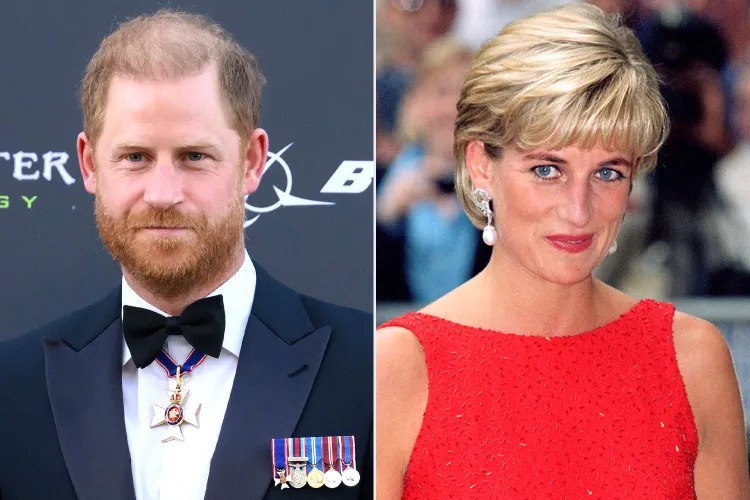
Prince Harry has offered a deeply personal glimpse into his enduring connection with his late mother, Princess Diana, revealing that he sometimes asks her questions and feels that he receives a response. The Duke of Sussex has spoken openly over the years about the lasting impact of Diana’s death and the ways her memory continues to influence his life, parenting, and understanding of his own emotional journey.
For Harry, who was just 12 years old when Diana died in a car crash in Paris in August 1997, the loss was a defining moment that shaped much of his childhood and adulthood. His reflections on communicating with his mother in a personal or spiritual sense highlight how grief can continue long after a loved one has passed away.
The revelation also offers a window into the deeply private side of a prince whose life has frequently been examined by the international media. Behind the headlines about royal disagreements, marriage, and life in California with Meghan Markle, Harry remains a son who continues to feel the absence of his mother.
While people experience grief in different ways, his comments resonate with a familiar human desire: the hope that an important relationship does not completely disappear when someone dies.
Prince Harry’s Enduring Connection With Princess Diana
Princess Diana died on August 31, 1997, following a car crash in Paris. Her death shocked the world and left her two sons, Prince William and Prince Harry, facing an unimaginable loss under intense public scrutiny.
At the time, Harry was still a child. His mother had been a central figure in his life, providing affection, humor, and a sense of connection that extended beyond the formal expectations of royal duty.
Diana was also widely admired for her charitable work and her willingness to engage with people whose experiences were often overlooked. Her public image was shaped by a combination of glamour, vulnerability, and a distinctive approach to humanitarian causes.
For Harry, however, Diana was not simply an internationally recognized princess. She was his mother, a person whose absence could not be measured by public tributes or the continued fascination with her life.
Over the years, Harry has spoken about the difficulty of growing up without her and the emotional consequences of losing her at such a young age. His reflections suggest that her influence remains part of how he understands himself and approaches the challenges of adulthood.
The idea of asking Diana questions and feeling that he receives a response can be understood within that continuing bond. For many people who have experienced bereavement, memories, private conversations, dreams, or meaningful coincidences can provide comfort and a sense of connection.
Such experiences do not necessarily mean that grief has ended. Instead, they can represent one way people continue to incorporate the memory of someone they love into their lives.
Why Harry Continues to Look to His Mother for Guidance
The relationship between a parent and child can remain emotionally significant long after the parent’s death. Advice remembered from childhood, lessons learned through everyday interactions, and the values a parent demonstrated can continue to influence decisions years later.
For Harry, Diana’s legacy is closely connected to compassion, family, and the importance of recognizing people who may feel excluded or misunderstood.
Diana’s public work brought attention to causes including homelessness, HIV/AIDS awareness, and the campaign against landmines. Her approach often challenged conventional expectations about how members of the royal family should interact with the public.
Harry has pursued charitable and humanitarian initiatives of his own, including work connected to mental health, veterans, and support for vulnerable communities. Although his choices are his own, his mother’s example has remained an important part of the way he discusses his values.
When someone loses a parent early in life, important milestones can create a renewed awareness of that absence. Becoming a parent, making major career decisions, or navigating family disagreements may prompt questions about what the person who died might have thought.
For Harry, imagining Diana’s perspective may offer a way to reflect on decisions that carry emotional weight. Whether he is considering fatherhood, public responsibility, or the direction of his life, the memory of his mother can serve as a source of personal reference.
That does not mean every decision can be answered by looking to the past. Instead, the continuing relationship may help him identify the principles that matter most as he builds a future of his own.
Growing Up Without Diana: A Loss Under the World’s Watchful Eye
Harry’s experience of bereavement was unusual not because grief itself was unique to him, but because it unfolded in front of a global audience.
Following Diana’s death, images of the young princes became part of an extraordinary international moment. Millions of people watched public ceremonies and mourned the princess, while William and Harry had to navigate their loss as children within a highly visible institution.
The public nature of the tragedy created a complicated distinction between collective mourning and private grief. People around the world felt connected to Diana, but her sons had lost someone who was central to their everyday lives.
For a child, grief can be difficult to understand, particularly when adults may struggle to explain what has happened. Feelings can also change over time. Someone who experiences a parent’s death in childhood may understand the loss differently as a teenager, a young adult, and later as a parent themselves.
Harry’s later reflections have often touched on the challenge of processing emotions that were difficult to address when he was younger. His willingness to discuss those experiences has helped bring attention to the importance of mental health and honest conversations about bereavement.
His comments about asking Diana questions may therefore be viewed as part of a larger story about maintaining an emotional connection with someone who remains important to him.
It is not necessary to share the same beliefs about spirituality or communication after death to understand the emotional significance of such a practice. For some people, speaking to a deceased loved one is a way of expressing feelings that might otherwise remain unspoken.
The Meaning of Feeling a Response From a Loved One
Harry’s reported description of asking his mother questions and receiving a response is likely to prompt curiosity because it touches on an experience that people interpret in different ways.
Some understand such moments through spiritual or religious beliefs. Others see them as expressions of memory, intuition, or the mind’s continuing relationship with someone who has died.
There is no single explanation that applies to every person’s experience. Grief can involve dreams, memories that feel unusually vivid, or moments when a loved one’s influence seems especially present.
For many bereaved people, these experiences can be comforting. They may provide an opportunity to reflect on an important relationship and feel connected to someone whose physical presence is gone.
At the same time, it is important not to claim certainty about what another person experiences or what those moments mean. Harry’s personal interpretation belongs to him, and the public cannot independently establish the nature of a private spiritual experience.
What can be understood more broadly is the emotional need behind the reflection. People often continue to think about what a deceased loved one might say when they face difficult choices or reach a major milestone.
The imagined conversation can become a way to revisit shared values, remember advice, or consider a situation from a perspective shaped by love and experience.
For Harry, whose mother died when he was still young, that continuing connection may hold particular significance because there were so many stages of adult life that Diana never had the opportunity to witness.
Princess Diana’s Influence on Harry as a Father
Harry’s role as a father has added another dimension to his reflections on Diana. He and Meghan Markle have two children, Prince Archie and Princess Lilibet, and raising them means navigating experiences that Diana herself once encountered as a parent.
Becoming a parent can change the way people understand their own childhoods. Experiences that once seemed ordinary may take on new meaning when viewed through the responsibility of caring for a child.
For Harry, fatherhood may also bring moments when he wonders what Diana would have been like as a grandmother. He may imagine the conversations they could have shared or the ways she might have interacted with his children.
These possibilities are naturally emotional because they involve both gratitude for the family he has today and sadness about the person who is missing from it.
Diana’s public reputation as a warm and affectionate mother has remained an important part of her legacy. Yet Harry’s memories of her also belong to a private family history that cannot be fully understood through photographs, documentaries, or public accounts.
His own approach to fatherhood will inevitably reflect many influences, including his personal experiences, his relationship with Meghan, and the values he wants to pass on to Archie and Lilibet.
Remembering Diana may be one way he keeps a connection with his family history while creating traditions and memories for the next generation.
How Diana’s Legacy Continues Through Her Sons
Both Prince Harry and Prince William have continued to speak about their mother and the ways her life shaped their outlook. Their public roles have developed differently, but Diana’s memory remains part of the history they share.
For Harry, her influence has often appeared in discussions about emotional well-being, humanitarian work, and the difficulties of growing up under intense public attention.
Diana’s legacy is also reflected in the continuing public interest in her life. Books, documentaries, interviews, and commemorations have ensured that new generations can learn about her work and the circumstances surrounding her death.
However, the personal significance of her legacy for her sons is different from the public fascination surrounding her. For them, remembering Diana is not simply about preserving a historical figure. It is about maintaining a relationship with a mother whose life ended before they reached adulthood.
That distinction matters when considering Harry’s comments about asking her questions. The reflection is personal rather than a statement that the public must interpret in the same way.
People can honor Diana’s memory through charitable work, family traditions, or simply remembering the impact she had on their lives. Harry’s approach represents one way of continuing that connection.
Prince Harry’s Honesty About Grief Resonates With Many People
Harry’s willingness to speak about loss has contributed to broader conversations about the emotional consequences of bereavement. Public figures are often expected to appear composed, particularly when their lives involve ceremonial duties or intense media scrutiny.
Yet grief does not follow a predictable timetable. It can resurface at unexpected moments, and important life changes may bring new feelings about a person who died years earlier.
For those who lost a parent during childhood, the experience can be especially complicated. They may have memories of the person but still wonder what their relationship would have become if they had been able to grow older together.
Harry’s reflections acknowledge that a connection can remain meaningful decades after a death. They also remind audiences that emotional healing does not necessarily require forgetting or moving beyond the relationship entirely.
Instead, many people find ways to carry their loved ones forward through memories, values, and private rituals that bring comfort.
Although the details of Harry’s experience are his own, the underlying sentiment is widely relatable. The desire to seek advice from someone who is no longer physically present reflects how deeply relationships can shape a person’s life.
A Mother’s Memory That Remains Close to Prince Harry’s Heart
Prince Harry’s reported comments about asking Princess Diana questions and feeling that he receives a response offer a deeply personal perspective on a loss that has remained significant throughout his life.
Nearly three decades after Diana’s death, her influence continues to feature in discussions of Harry’s identity, charitable interests, and experience of fatherhood. Her memory connects his childhood to the family life he is building today.
The meaning of his experiences is ultimately personal, and different people may understand the idea of receiving a response from a deceased loved one in different ways. What remains clear is that Diana’s place in Harry’s emotional life has not disappeared with time.
For Harry, remembering his mother may be a source of reflection as he navigates the responsibilities and uncertainties of adulthood. For those who have experienced similar losses, his words may offer reassurance that grief can coexist with growth and that love can remain meaningful long after a goodbye.
Princess Diana’s public legacy continues to attract worldwide attention, but her enduring importance to Harry is rooted in something more intimate: the bond between a mother and her son, and the memories and values that continue to shape a life long after loss.