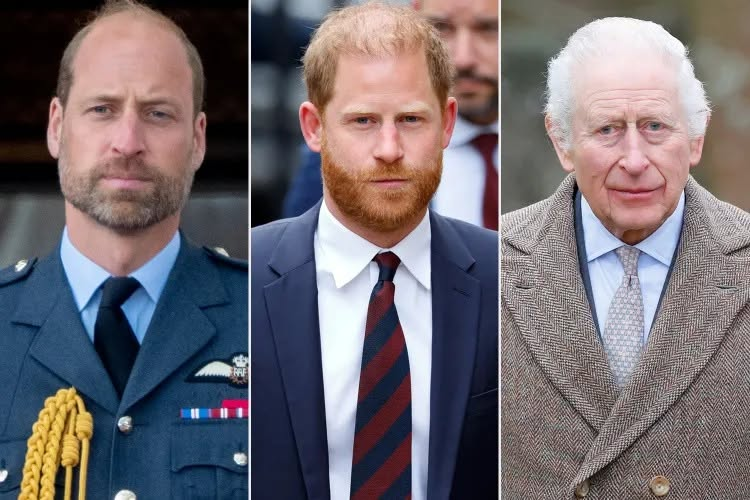
Prince Harry’s complicated relationship with the British royal family has remained one of the most closely watched personal stories in modern royal history. Years after stepping back from his role as a senior working royal, the Duke of Sussex continues to face questions about family reconciliation, his relationship with King Charles III, and whether a path toward healing remains possible.
The prospect of reconciliation has particular emotional significance because the dispute involves more than royal duties or public disagreements. At its heart are family relationships, personal grievances, questions of trust, and the challenge of rebuilding connections after years of tension.
The idea that “the most important thing is to reconcile” captures a sentiment that many people can understand, especially when family disagreements have lasted for years. However, without a verified transcript confirming that Prince Harry used those exact words in a specific interview, the quotation should be treated as a headline framing rather than an authenticated direct statement.
Nevertheless, the wider question remains compelling: Can Prince Harry and the royal family move beyond their differences, and what would genuine reconciliation require?
For royal watchers, the answer could shape the future of one of the world’s most recognizable families. For Harry, King Charles, Prince William, and the people closest to them, the stakes are deeply personal.
Prince Harry and the Royal Family Rift: How Did It Begin?
Prince Harry was once a prominent working member of the British royal family, carrying out official engagements alongside his brother, Prince William, and other senior royals. As the younger son of King Charles III and the late Princess Diana, Harry grew up in an environment where private family experiences were frequently intertwined with public expectations.
His marriage to Meghan Markle in 2018 marked a new chapter in his life. Meghan, an American actress, entered the royal family amid enormous international interest, and the couple soon faced intense media attention.
In January 2020, Harry and Meghan announced their intention to step back from their roles as senior working royals and work toward greater financial independence. Their decision, widely described as Megxit, transformed the relationship between the Sussexes and the monarchy.
The couple subsequently established their lives in California, where they have continued to pursue projects in media, philanthropy, and public advocacy.
Their departure also created new questions about their relationship with the royal institution. Interviews, public statements, and Harry’s memoir, Spare, offered further insight into his experiences and grievances, bringing private family tensions into public discussion.
Over time, the disagreements became about more than the decision to leave royal duties. Questions surrounding security, media coverage, personal trust, and the treatment of Meghan contributed to the continuing strain.
Prince Harry’s Relationship With King Charles III
One of the most emotionally significant aspects of the royal family rift is Harry’s relationship with his father, King Charles III.
Father and son have experienced a complicated period since Harry and Meghan moved away from their official royal responsibilities. Although both remain central figures in the same family, their lives and public roles have developed in markedly different directions.
For Harry, the relationship with his father involves the difficult balance between being a son and being someone whose life has been shaped by the expectations of the monarchy. For Charles, the challenge involves maintaining family connections while carrying the responsibilities of the Crown.
Their circumstances make reconciliation more complicated than a simple decision to put the past behind them. Trust must be rebuilt, personal boundaries respected, and disagreements addressed without creating new public confrontations.
Harry has spoken publicly about family tensions and his desire for greater understanding. However, the precise state of his relationship with Charles at any given moment should not be assumed without reliable, up-to-date confirmation.
What remains clear is that the possibility of a healthier relationship between father and son carries significance beyond the monarchy itself. Many families recognize the pain of estrangement and the uncertainty that accompanies attempts to reconnect after prolonged conflict.
Prince William and Prince Harry: Can the Brothers Reconnect?
Harry’s relationship with his older brother, Prince William, presents another major challenge.
The brothers shared childhood experiences, including the profound loss of their mother, Princess Diana, in 1997. For years, they appeared together at royal events and represented a younger generation of the monarchy.
Their relationship has since become strained amid disagreements involving Harry’s departure, his public comments, and broader tensions affecting the royal family.
Because William is heir to the throne, his responsibilities differ substantially from Harry’s life in the United States. Those different roles may influence how each brother views family loyalty, privacy, and the future of the monarchy.
Reconciliation between siblings can be particularly difficult when disagreements have been discussed publicly. Statements made in interviews or books can remain part of the public record long after the people involved might wish to move forward.
A renewed relationship would likely require more than a single conversation. It could involve acknowledging hurt, establishing new boundaries, and deciding which aspects of their relationship should remain private.
Neither brother can be expected to resolve every disagreement simply because public interest favors a reunion. Genuine reconciliation must reflect the wishes and circumstances of the people involved.
Why Reconciliation Matters to Prince Harry and Meghan Markle
Harry’s relationship with the royal family cannot be separated entirely from his marriage to Meghan Markle.
Since leaving royal duties, the couple have emphasized their desire to build a life that offers greater independence and greater control over their family circumstances. They have also spoken publicly about the challenges they experienced during their time as working royals.
For Harry, the question of reconciliation therefore involves more than his individual relationship with his father or brother. It also concerns the way Meghan has been treated and whether the couple can feel that their boundaries and concerns are understood.
Any lasting improvement in family relations would need to take those issues seriously rather than treating reconciliation as a symbolic public event.
At the same time, Meghan and Harry have established a life in California with their children, Prince Archie and Princess Lilibet. Their family life now operates outside the day-to-day structure of the British royal household.
A renewed relationship with the wider family would not necessarily mean returning to royal duties or abandoning the independence they have built. Family reconciliation and institutional reconciliation are separate questions, even when they overlap.
The couple could, in principle, maintain their current lives while working toward more constructive personal relationships with relatives in Britain.
The Importance of Trust, Privacy, and Honest Communication
Reconciliation is often described as a single emotional moment, but rebuilding a damaged relationship usually requires sustained effort.
In the case of the Sussexes and the royal family, public attention adds an additional layer of difficulty. Conversations that might ordinarily happen privately can become the subject of speculation, while even a brief meeting may generate headlines about its supposed meaning.
Trust can be especially difficult to restore when people disagree about what happened in the past. Each person may remember events differently, and attempts to explain those experiences can sometimes deepen existing disagreements.
For meaningful reconciliation to occur, the people involved would need to determine what they are prepared to discuss, what they need from one another, and which boundaries must be respected.
Privacy would also be important. If every conversation were expected to produce a public announcement, family members might find it difficult to speak openly.
A private discussion can be valuable precisely because it allows people to listen without the pressure of immediate public judgment. It can also provide space for disagreement without requiring either side to present a carefully managed public image.
For Harry and his relatives, the most constructive steps may not be the most visible ones.
King Charles’s Health and the Family’s Future
King Charles’s health has added another dimension to public discussions about family relationships and the passage of time.
Following the King’s cancer diagnosis announcement in February 2024, public attention naturally turned toward his well-being and the responsibilities facing the monarchy. His health circumstances have also prompted broader reflection on the importance of family relationships during difficult periods.
However, it would be inappropriate to assume that health concerns automatically produce reconciliation or that a particular meeting reflects a definitive change in family relations.
The personal decisions involved remain private, and any assessment of the King’s current health or the latest status of family discussions should rely on confirmed information.
More broadly, serious illness can encourage families to reconsider priorities, but it cannot resolve longstanding disagreements by itself. Honest communication, mutual respect, and the willingness to address difficult issues remain important.
For Charles and Harry, any renewed closeness would be meaningful not simply because it would satisfy public curiosity, but because it could create a healthier relationship between a father and his son.
Could Prince Harry Return to the Royal Family?
The question of Harry’s potential return is often discussed alongside reconciliation, but the two ideas should not be confused.
Harry and Meghan stepped back from their roles as senior working royals in 2020. Their subsequent lives in the United States have involved independent professional projects, charitable activities, and family responsibilities.
A personal reconciliation would not automatically require Harry to resume official duties. Nor would an improvement in relations necessarily change the constitutional or practical arrangements surrounding his role within the monarchy.
Any future involvement in royal work would raise separate questions about responsibilities, public expectations, security arrangements, and the institutional decisions required to make such a role possible.
For now, it is more useful to distinguish between a possible improvement in family relationships and speculation about a formal return.
A family can become closer without returning to the circumstances that existed before a disagreement. In some cases, healthier relationships depend on accepting that people’s lives have changed.
For Harry, the goal of reconciliation, if pursued, could involve maintaining a relationship with his relatives while continuing to live independently with Meghan and their children.
Public Interest Versus Private Healing
The royal family occupies a unique position because its personal relationships are often treated as matters of public importance. Yet the individuals involved still have a legitimate interest in privacy.
Royal fans may hope to see Harry reunited with Charles and William, but the emotional reality of estrangement is rarely as simple as a headline suggests.
A public appearance together does not necessarily prove that every disagreement has been resolved. Likewise, a period without visible contact does not reveal everything happening privately.
Responsible discussion should recognize these limitations and avoid turning every family interaction into evidence for a dramatic narrative.
The most meaningful progress may occur away from cameras, through conversations that are not intended for public consumption.
For Harry and the royal family, a more peaceful relationship would require space to acknowledge the past without allowing every detail to become another source of conflict.
Conclusion: Can Prince Harry and the Royal Family Find Common Ground?
Prince Harry’s ongoing relationship with the royal family remains a story shaped by personal history, public responsibility, and the complicated realities of family estrangement.
The possibility of reconciliation continues to attract attention because it offers hope that years of tension might eventually give way to greater understanding. Yet any genuine progress would depend on the people involved rather than public expectations or the desire for a dramatic royal reunion.
For Harry, Charles, William, and Meghan, moving forward would likely require trust, honest communication, and respect for boundaries. It would also mean recognizing that reconciliation does not necessarily erase the past or require everyone to agree about every event.
Whether the family ultimately finds common ground remains a private matter that only time and confirmed developments can clarify.
Still, the broader lesson is universal: repairing a damaged relationship is rarely easy, particularly when hurt has accumulated over many years. It requires patience, humility, and a willingness to listen.
If Prince Harry and his relatives can find a way to move toward a more constructive relationship, the significance would extend beyond royal headlines. It would serve as a reminder that even families living under extraordinary public pressure must navigate the same difficult questions of forgiveness, trust, and belonging that affect people everywhere.