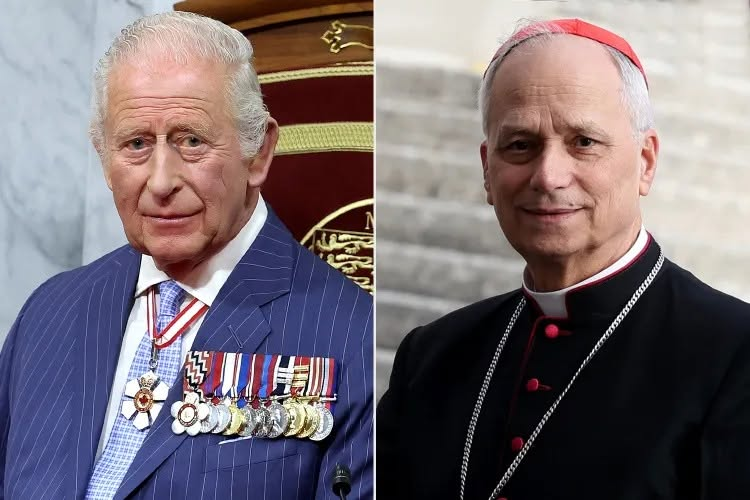
King Charles III and Pope Leo XIV occupy two of the world’s most closely watched positions, yet both figures are also human beings navigating the demands, responsibilities, and personal challenges that come with leadership. As renewed attention turns toward the relationship between Buckingham Palace and the Vatican, reports that the British monarch may be planning a personal message to the pope have sparked interest among royal watchers and religious observers alike.
The possibility of such a message takes on added significance amid concerns and speculation surrounding health. While the precise details of any reported communication and the nature of any health concerns should be confirmed before being treated as established facts, the broader story highlights the importance of personal diplomacy between two influential institutions.
For King Charles, a message to Pope Leo would represent more than a formal exchange between a monarch and a religious leader. It could also reflect the longstanding relationship between the British royal family and the Roman Catholic Church, as well as the shared interest both figures have shown in questions of faith, service, community, and global responsibility.
At a time when public figures are frequently judged by their official statements, a personal expression of goodwill can carry a different kind of significance. It can communicate compassion, respect, and an awareness that the responsibilities of leadership do not remove the need for human connection.
King Charles and Pope Leo: A Relationship of Mutual Respect
The relationship between the British monarchy and the papacy has developed over centuries, shaped by religious history, diplomatic change, and evolving attitudes toward faith.
King Charles III occupies a unique position as monarch and Supreme Governor of the Church of England. The pope, meanwhile, serves as the spiritual leader of the worldwide Catholic Church. Although their religious responsibilities differ, both figures operate within institutions that place considerable emphasis on tradition, continuity, and public service.
Their respective positions also require them to address issues that extend well beyond ceremonial duties. Questions of poverty, social responsibility, environmental protection, interfaith understanding, and the welfare of vulnerable communities have all become important subjects in contemporary discussions about religious and civic leadership.
For Charles, such issues have been a recurring part of his public life. Long before becoming king, he spoke about environmental responsibility, architecture, traditional communities, and the importance of maintaining a connection with the natural world.
The Vatican also plays a significant role in international conversations about peace, humanitarian assistance, and the moral responsibilities of governments and communities.
Against this background, a personal message between the monarch and Pope Leo could be understood as part of a broader tradition of respectful engagement between institutions with different responsibilities but overlapping concerns.
Why a Personal Message Could Carry Special Meaning
Official communications between world leaders are often carefully prepared, with language designed to reflect diplomatic protocol and institutional priorities.
A personal message, however, can offer a more human dimension. It allows a leader to express concern, encouragement, or goodwill in a way that goes beyond the formal requirements of an official exchange.
If King Charles were to send Pope Leo a personal message in response to health concerns, the gesture could demonstrate the importance of compassion even within the highly structured world of international diplomacy.
Such communication would not necessarily signal a major political development or a change in institutional policy. Its significance could instead lie in the simple acknowledgment that another individual may be facing a difficult period.
This distinction is particularly relevant when the people involved carry responsibilities that extend across national and international boundaries.
Monarchs and religious leaders are often expected to project steadiness, even during periods of uncertainty. Yet they also have personal relationships, private concerns, and the same basic need for encouragement that people experience in other walks of life.
A message of support can therefore have symbolic value without needing to become a dramatic public event.
For royal observers, the possibility of such a gesture also provides a reminder that diplomacy is not always conducted through major speeches or high-profile meetings. Sometimes, it begins with a few carefully chosen words.
King Charles’s Health and the Responsibilities of the Crown
King Charles’s own health has become an important part of public discussion since Buckingham Palace announced in February 2024 that the monarch had been diagnosed with cancer. The palace did not initially disclose the type of cancer, and Charles subsequently continued to undertake public duties while adjusting his schedule around treatment and recovery.
His experience has encouraged wider discussion about how modern monarchs balance personal well-being with the responsibilities associated with their positions.
The king’s role involves ceremonial appearances, constitutional duties, diplomatic engagements, and support for numerous charitable causes. Maintaining those responsibilities while managing a serious health condition requires careful planning and appropriate medical guidance.
It also highlights the importance of distinguishing verified announcements from speculation. Health information concerning public figures can attract intense interest, but unconfirmed claims should not be treated as facts simply because they circulate widely.
The same principle applies to reports concerning Pope Leo XIV. Without reliable confirmation of the precise circumstances, it would be inappropriate to assume that a particular message has been sent or to describe a specific medical situation as established.
Nevertheless, the wider context makes the reported possibility of a personal exchange especially compelling. Leaders who have experienced the pressures of demanding public roles may understand the value of offering support to someone facing uncertainty.
Charles’s own experience could make expressions of compassion particularly meaningful, although the motivations behind any private communication should not be assumed without confirmation.
Pope Leo XIV and the Importance of Compassionate Leadership
Pope Leo XIV became the leader of the Catholic Church in May 2025, following the death of Pope Francis. His election marked a new chapter for the Vatican and attracted international attention because of the pope’s responsibility to guide a global religious community.
As pontiff, Leo faces the challenge of balancing the spiritual needs of Catholics with the broader expectations placed on a prominent international figure.
The pope’s position requires engagement with questions involving religious life, humanitarian concerns, international conflict, and the future of the Church. At the same time, the role carries a strong personal dimension, as millions of people look to the Vatican for guidance, reassurance, and expressions of hope.
A personal message from a monarch such as Charles would fit within a long tradition of communication between prominent religious and civic leaders.
Such exchanges can help reinforce mutual respect even when the institutions involved have different histories and responsibilities.
They also illustrate how symbolic gestures can contribute to the public understanding of leadership. A leader who acknowledges another person’s difficulties can demonstrate that compassion remains relevant alongside authority, protocol, and institutional duty.
For many observers, that human dimension is what makes the possibility of a personal message more interesting than a routine diplomatic communication.
The Historic Connection Between the British Monarchy and the Vatican
The relationship between the British monarchy and the papacy carries a complicated history.
The English Reformation in the sixteenth century transformed the country’s religious landscape and established a lasting separation between the Church of England and the Roman Catholic Church. For generations, religious differences shaped political relationships, public life, and attitudes toward the monarchy.
Over time, however, relations between Britain and the Vatican developed in a more constructive direction.
Modern diplomatic engagement reflects a different environment, one in which religious differences do not prevent cooperation on shared humanitarian and social concerns.
The relationship between Queen Elizabeth II and successive popes helped illustrate how tradition and change can coexist within long-established institutions. Her reign included important moments of engagement between the British monarchy and the Catholic Church.
King Charles has inherited that wider historical context, while bringing his own interests in faith, cultural understanding, and the role of religious traditions in contemporary society.
The monarch’s position as Supreme Governor of the Church of England remains distinct from the pope’s leadership of the Catholic Church. Nevertheless, respectful communication between the two institutions can demonstrate how historic differences can exist alongside a willingness to cooperate.
A personal message, if confirmed, would be a small but potentially meaningful part of that continuing relationship.
Why Royal Watchers Are Paying Attention
Royal news often attracts attention because it combines public responsibility with the personal lives of individuals whose actions carry symbolic importance.
A possible message from King Charles to Pope Leo brings together several subjects that interest audiences: health, religion, diplomacy, and the human relationships behind formal institutions.
For some observers, the story may represent a thoughtful gesture between two leaders who understand the pressures of serving large communities. For others, it highlights the continuing relevance of communication between religious and constitutional institutions.
The subject also reflects the public’s interest in how prominent figures respond when others face difficult circumstances.
However, the distinction between a reported plan and a confirmed event remains important. Until the details of any message are officially established, the story should be approached as a possibility rather than a completed diplomatic exchange.
That caution does not diminish the broader significance of the relationship. Instead, it allows readers to appreciate the historical and personal context without relying on assumptions about private conversations or medical circumstances.
In an age when headlines can spread quickly, responsible reporting helps ensure that compassion and curiosity do not come at the expense of accuracy.
What This Could Mean for Future Royal and Vatican Relations
The British monarchy and the Vatican will continue to operate according to their own responsibilities, traditions, and priorities. Yet opportunities for respectful communication are likely to remain important as both institutions engage with an increasingly complex world.
Shared concerns about humanitarian assistance, environmental stewardship, social responsibility, and interfaith understanding provide possible areas for continued engagement.
King Charles has long expressed an interest in environmental issues, while Catholic social teaching has frequently addressed humanity’s responsibilities toward the natural world and vulnerable communities. These overlapping interests provide a broader context for understanding why communication between the monarch and the pope can attract attention beyond religious or royal circles.
Any future meeting or exchange would need to be understood in its specific context. A personal message would not automatically indicate a new agreement or a major shift in relations, but it could reinforce an atmosphere of goodwill.
For both leaders, the value of such communication may lie in recognizing shared responsibilities while respecting their distinct roles.
The most significant diplomatic relationships are not always defined by dramatic announcements. Sometimes, they are sustained through consistent contact, mutual respect, and a willingness to acknowledge common humanity.
Final Thoughts: A Gesture of Goodwill Amid Uncertainty
Reports that King Charles may be planning a personal message to Pope Leo XIV have drawn attention to the relationship between two influential institutions and the individuals who lead them.
Amid discussion of health concerns, the possibility of a personal exchange serves as a reminder that even the most prominent public figures can benefit from encouragement and expressions of goodwill.
The precise details of any reported message should be verified before being treated as confirmed, and unsubstantiated claims about either man’s health should be approached cautiously.
Yet the broader themes remain meaningful. King Charles and Pope Leo occupy positions shaped by history, tradition, and demanding public responsibilities. Their roles may be different, but both are associated with service to communities much larger than themselves.
If a personal message is sent, its importance may ultimately rest less on ceremony than on the simple human meaning behind it.
In a world frequently dominated by political tension and uncertainty, a sincere expression of concern can remind people that leadership is not only about authority or public appearances. It is also about empathy, respect, and recognizing the dignity of others.
For royal watchers and those following the Vatican, that possibility offers a thoughtful perspective on the continuing relationship between the British Crown and the Catholic Church.