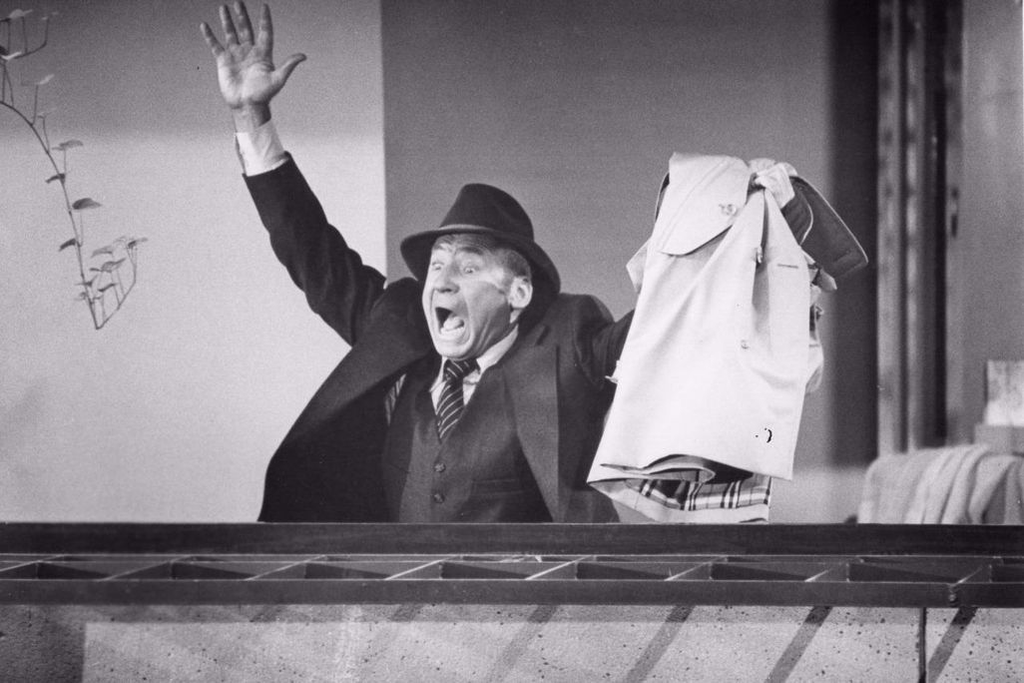
Mel Brooks has spent more than seven decades making audiences laugh, challenging Hollywood conventions, and proving that comedy can be both fearless and timeless. As the legendary filmmaker approaches his 100th birthday, his extraordinary career offers a perfect opportunity to celebrate not only the movies he created but also the films that inspired his imagination. A special Los Angeles screening program featuring 20 of Brooks’ favorite movies provides a chance to explore the cinematic influences behind one of entertainment’s most distinctive comedic voices.
Brooks is best known for his irreverent approach to filmmaking, his willingness to parody established genres, and his ability to transform familiar Hollywood traditions into unforgettable comedy. From The Producers to Blazing Saddles and Young Frankenstein, his work has influenced generations of writers, directors, performers, and comedy fans. Yet his artistic vision was shaped by a much wider world of cinema, including classic Hollywood musicals, sophisticated comedies, historical epics, and films that demonstrated the power of visual storytelling.
The celebration of Brooks’ 100th birthday is therefore more than a tribute to a beloved entertainer. It is also an opportunity to examine the movies that helped shape his creative instincts and understand why his influence continues to resonate with audiences around the world.
Mel Brooks: A Century of Laughter and Cinematic Innovation
Born Melvin Kaminsky on June 28, 1926, in Brooklyn, New York, Mel Brooks grew up in a working-class Jewish family during a period when movies played an increasingly important role in American popular culture. As a young man, he developed an appreciation for performers who could command an audience through timing, personality, and carefully crafted humor.
Brooks served in the United States Army during World War II and later began building a career in entertainment. He initially worked as a drummer and comic performer before finding opportunities in television writing. His early experience in the fast-moving world of television comedy helped him develop the sharp timing and collaborative instincts that would later define his films.
He became widely known as a writer for Your Show of Shows, the influential television variety program featuring Sid Caesar. Working alongside talented writers and performers helped Brooks refine his understanding of comic structure, character, and the importance of surprising an audience.
His transition to filmmaking brought that experience to the big screen. In 1967, he directed The Producers, a comedy about two theatrical producers who attempt to make money through an intentionally disastrous Broadway show. The film introduced audiences to his distinctive combination of absurdity, satire, and theatrical exaggeration.
Brooks continued exploring different genres throughout his career, developing a body of work that included westerns, horror parodies, science-fiction comedies, and historical spoofs. His films became cultural landmarks because they were not afraid to challenge conventions or expose the ridiculous elements of familiar stories.
Why Mel Brooks’ Favorite Movies Matter
A filmmaker’s favorite movies can reveal much about the creative decisions behind their own work. The films that inspire a director may provide lessons in pacing, character development, visual composition, dramatic tension, or the relationship between comedy and emotion.
For Brooks, cinema has always been a source of both entertainment and creative possibility. His comedies frequently draw attention to the techniques filmmakers use to create suspense, romance, heroism, and spectacle. By exaggerating those techniques, he encourages audiences to recognize how movies shape their expectations.
A screening program built around 20 personal favorites offers a different perspective on his legacy. Instead of focusing exclusively on his own filmography, it places his work within a larger cinematic tradition.
Such a program can introduce audiences to older movies they may never have encountered on a big screen. It can also encourage longtime fans to revisit familiar classics with a new understanding of the connections between generations of filmmakers.
However, a filmmaker’s favorites should not automatically be treated as a definitive ranking of the greatest movies ever made. Personal taste is shaped by experience, memory, and emotion. A film may be important to a director because it inspired a particular idea, reminded them of an influential performer, or captured a style of storytelling they admired.
The appeal of Brooks’ selections lies in the opportunity to explore those connections and consider how the history of cinema influenced his own distinctive approach to comedy.
From Classic Hollywood to Fearless Comedy
Brooks’ movies frequently parody established genres, but effective parody requires a deep understanding of the material being imitated. A filmmaker cannot successfully exaggerate a convention without first recognizing how it works.
His western comedy Blazing Saddles offers a particularly clear example. Released in 1974, the film uses the familiar setting of the American West to challenge racial prejudice, Hollywood stereotypes, and the mythology surrounding traditional western heroes.
Rather than simply reproducing the conventions of the genre, Brooks turns them into targets for satire. The result is a comedy that combines absurd situations with a pointed examination of the assumptions embedded in popular entertainment.
Similarly, Young Frankenstein, released in 1974, pays affectionate tribute to classic horror cinema while transforming its familiar elements into comedy. Gene Wilder plays Frederick Frankenstein, a scientist who inherits the family legacy associated with the original Frankenstein story.
The film recreates the atmosphere of classic monster movies, including their visual style and dramatic rhythms, while using comic timing to undermine expectations. Its success demonstrates that parody can function as both criticism and appreciation.
These examples help explain why exploring Brooks’ favorite films is so interesting. The movies that influenced him may reveal the traditions he admired, the conventions he wanted to challenge, and the storytelling techniques he adapted for his own purposes.
The Enduring Importance of The Producers
Any celebration of Brooks’ career would be incomplete without examining The Producers, the film that established him as a major force in American comedy.
The original 1967 movie follows theatrical producer Max Bialystock and accountant Leo Bloom as they devise a scheme involving an intentionally terrible stage production. Their plan depends on the assumption that a show guaranteed to fail will allow them to keep money invested by backers.
The premise is deliberately outrageous, but its humor comes from the characters’ confidence, desperation, and increasingly absurd circumstances.
Brooks’ direction combines theatrical exaggeration with a satirical understanding of ambition and greed. The film also demonstrates his willingness to approach controversial material through provocation and absurdity.
The Producers earned Brooks an Academy Award for Best Original Screenplay, establishing a major milestone in his career. It later inspired a successful Broadway musical adaptation, which won multiple Tony Awards and introduced the story to a new generation.
The film’s continuing popularity illustrates an important characteristic of Brooks’ work: his jokes may be outrageous, but the underlying situations often reveal recognizable human weaknesses. Ambition, vanity, desperation, and self-deception remain fertile material for comedy.
Los Angeles as a Home for Movie History
Los Angeles is a natural setting for a major celebration of Brooks’ cinematic legacy. The city has been central to the American film industry for more than a century, bringing together studios, theaters, filmmakers, actors, and audiences.
Special screening programs allow movies to be experienced in a way that differs from watching them at home. A theatrical presentation gives audiences the opportunity to appreciate performances, editing, sound, and visual details on a large screen. It also creates a shared experience in which laughter and emotional reactions become part of the event.
For classic comedies, that communal atmosphere can be especially important. Timing is essential to humor, and a joke can feel different when an entire audience responds together.
A 20-film program also offers opportunities for discovery. Viewers may attend because they admire Brooks and leave with a new appreciation for a director, performer, or genre that influenced him.
The screenings can connect generations of moviegoers, from people who experienced Brooks’ films when they were first released to younger audiences discovering them for the first time.
They also reinforce the value of preserving cinema history. Films are cultural records, reflecting the artistic choices, social attitudes, and entertainment traditions of the periods in which they were made.
Mel Brooks’ Influence on Modern Comedy
Brooks’ impact extends well beyond the films he directed. His approach to comedy has influenced television writers, stand-up performers, screenwriters, and filmmakers who use parody to question familiar storytelling conventions.
One of his most recognizable techniques is the willingness to break the illusion of a movie. His films may draw attention to production machinery, acknowledge the artificial nature of a scene, or deliberately disrupt the audience’s expectations.
This approach helped establish a form of comedy that treats movie genres as both storytelling frameworks and subjects for humor.
Brooks also demonstrated that comedy could address serious subjects without abandoning entertainment. His work often confronts prejudice, authoritarianism, vanity, and institutional hypocrisy through exaggerated characters and absurd situations.
Not every joke has aged equally well, and contemporary audiences may interpret some of his films differently from viewers at the time of their release. Nevertheless, his work remains important to discussions about satire, creative freedom, and the changing boundaries of popular comedy.
His long career also illustrates the value of collaboration. Writers, actors, composers, editors, and production teams helped bring his ideas to life, creating performances and scenes that continue to be discussed decades later.
A 100th Birthday That Celebrates More Than One Filmmaker
Reaching 100 years of age is a remarkable milestone for any artist, particularly one whose career has crossed so many eras of entertainment.
Brooks witnessed enormous changes in the film industry, from the dominance of theatrical releases to the expansion of television, home video, digital production, and streaming services. Through those changes, his best-known movies have continued to find audiences.
A birthday celebration built around films he admires provides a way to honor that longevity while recognizing that great artists are also students of their craft. Every filmmaker inherits ideas from earlier generations, consciously or unconsciously, and then transforms those influences into something personal.
The 20-film selection offers a framework for considering those artistic connections. Whether the program emphasizes comedy, drama, musicals, or classic Hollywood storytelling, its broader significance lies in encouraging audiences to look beyond a single director’s filmography.
It also provides a reminder that film history is a conversation across generations. Movies inspire other movies, performers influence future performers, and storytelling techniques evolve as artists discover new ways to use familiar forms.
Conclusion: Celebrating Mel Brooks and the Movies That Shaped Him
Mel Brooks’ 100th birthday is an opportunity to celebrate a career that helped redefine American screen comedy. His films challenged conventions, provoked debate, and demonstrated that laughter could emerge from even the most familiar Hollywood traditions.
A Los Angeles screening program featuring 20 of his favorite movies adds another dimension to that celebration. By turning attention toward the films that inspired him, the event encourages audiences to explore the wider cinematic history behind his work.
From the genre satire of Blazing Saddles to the affectionate horror parody of Young Frankenstein and the theatrical absurdity of The Producers, Brooks’ legacy demonstrates the creative possibilities that emerge when a filmmaker understands tradition well enough to transform it.
His favorite movies may reveal personal memories, artistic influences, and enduring sources of inspiration. More importantly, they remind viewers that cinema is not simply a collection of individual masterpieces. It is an evolving art form shaped by countless connections between artists and audiences.
As Mel Brooks reaches his centenary, the celebration is ultimately about more than one man’s remarkable longevity. It is about the lasting power of movies to inspire creativity, bring people together, challenge expectations, and make the world a little funnier.