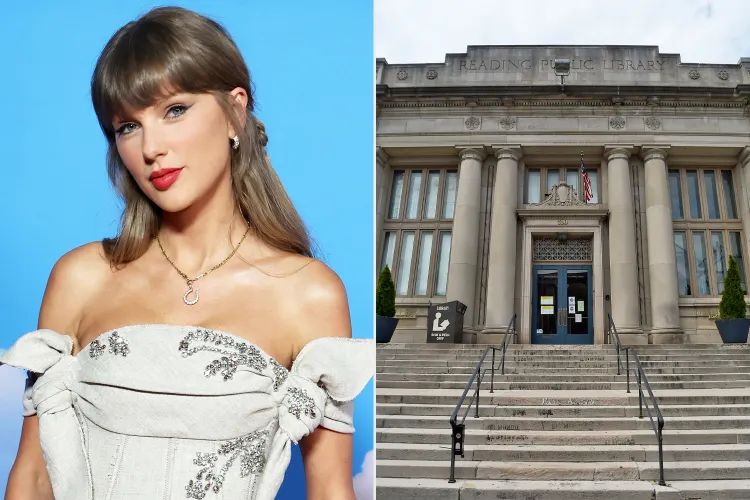
Taylor Swift is known around the world for her record-breaking music, sold-out concerts, and remarkable ability to connect with fans. Yet some of her most meaningful contributions have taken place far from the stage. Long before she became one of the most commercially successful artists of her generation, Swift demonstrated a commitment to giving back, including a reported donation of 6,000 books to a struggling library in Pennsylvania in 2011.
The gesture reflected a side of Swift that has often been overshadowed by her musical achievements: her appreciation for education, reading, and the opportunities that books can provide. At a time when libraries across the United States were facing financial pressures, donations of books and other resources could make a meaningful difference to communities trying to preserve access to knowledge.
Fifteen years later, the story offers a reminder that philanthropy does not always need to involve a major public campaign. Sometimes, a contribution to a local institution can carry a message that reaches far beyond its original setting.
Although the specific long-term impact of the reported donation should be understood in the context of verifiable library records, the broader lesson remains powerful. Access to books can influence young readers, support families, and help communities maintain spaces where people can learn and grow.
Taylor Swift’s Generosity Beyond the Music Industry
Taylor Swift’s career has been defined by extraordinary achievements. From her early days as a country singer to her transformation into a global pop superstar, she has built a reputation for writing personal songs that resonate with audiences across generations.
Her success has also given her the resources to support a range of charitable causes. Over the years, Swift has been associated with donations benefiting education, disaster relief, food assistance, and organizations supporting vulnerable communities.
Her philanthropic activities have included contributions to libraries, schools, and educational initiatives. These efforts reflect an understanding that opportunities to learn and create can have lasting effects, particularly for children and young people.
Swift’s reported 2011 book donation fits naturally into this broader picture. Rather than focusing on the glamour of celebrity life, the story highlights the practical value of supporting a community institution.
Books may not attract the same immediate attention as a sold-out stadium tour, but their influence can be substantial. A single book can introduce a child to a new subject, encourage a reluctant reader, or provide a student with information that helps shape a future ambition.
For communities facing limited resources, access to a wider collection of books can be especially valuable.
Why Libraries Matter to Local Communities
Public libraries have long served as more than places to borrow books. They provide access to information, educational resources, technology, and community programs that might otherwise be difficult for residents to afford.
For children, libraries can offer a welcoming environment where curiosity is encouraged. Young readers can explore subjects outside the classroom, discover new authors, and develop the reading habits that support learning throughout their lives.
For adults, libraries provide opportunities to improve professional skills, research important decisions, and pursue personal interests. Many also serve as gathering places for educational activities, public discussions, and community events.
However, maintaining these services requires funding, staff, physical space, and a steady supply of materials. Libraries in smaller communities may face difficult decisions when budgets become restricted, particularly when they must balance the needs of readers with the cost of maintaining collections and facilities.
Donations can help address some of these challenges. New books may expand the range of subjects available to readers, while carefully selected additions can help libraries respond to changing interests and the needs of local schools.
A large donation such as the one attributed to Swift in 2011 would therefore represent more than a generous gesture if it provided materials that the library could use effectively. It would also highlight the importance of keeping educational resources accessible to the public.
The Significance of a 6,000-Book Donation
The reported figure of 6,000 books is striking because it suggests a contribution on a scale capable of making a visible difference to a library collection.
Books serve different purposes depending on their subject, format, and intended audience. Children’s literature can help young readers build confidence, while nonfiction titles may introduce students to science, history, nature, and technology. Novels can encourage imagination and empathy, allowing readers to encounter experiences beyond their own lives.
For a library working with limited resources, receiving a substantial collection could help broaden the choices available to its patrons.
Nevertheless, the actual value of a book donation depends on more than the number of volumes involved. Libraries must consider whether the books suit their readers, whether they fill gaps in existing collections, and whether there is sufficient space to store and maintain them.
When donations are thoughtfully selected, they can support a library’s long-term mission and help staff direct limited budgets toward other essential needs.
The story associated with Swift also raises a broader question about celebrity philanthropy: how can public figures use their influence to support institutions that serve people every day?
One answer is by directing attention toward practical needs that might otherwise receive little publicity.
Why the Story Still Resonates 15 Years Later
In the years since 2011, Taylor Swift’s public profile has expanded dramatically. Her albums have broken commercial records, her tours have attracted enormous audiences, and her personal connection with fans has become a defining part of her cultural influence.
Against that backdrop, an act of generosity involving a local library offers a different measure of success.
Music creates shared experiences and can provide comfort, inspiration, and a sense of belonging. Libraries offer another kind of opportunity: the freedom to explore ideas independently, at an individual’s own pace, without needing to purchase every resource.
The two are not as different as they might initially appear. Both can introduce people to new perspectives, encourage creativity, and help individuals find words for experiences they may struggle to explain.
A story about a book donation also reminds readers that meaningful contributions do not always produce immediate or easily measured results. A library’s collection may serve one child today and another several years later. A book borrowed for a school project might spark an interest that continues into adulthood.
Without detailed records, it would be impossible to attribute specific achievements to a particular donation. But the wider value of accessible reading material is well established, and supporting libraries remains a practical way to strengthen educational opportunities.
Taylor Swift and the Power of Quiet Philanthropy
Celebrity philanthropy often attracts attention when a donation is announced publicly or connected to a major event. Yet some of the most useful contributions are those that respond to everyday needs.
Libraries, schools, food banks, and community organizations frequently depend on a combination of public funding, local support, grants, and private donations. A contribution may not solve every financial challenge, but it can help an organization continue providing services.
Swift’s reported book donation is an example of the kind of story that encourages people to consider what meaningful generosity looks like in practice.
Not everyone can donate thousands of books. However, individuals can support their local libraries in other ways, such as contributing requested materials, attending community events, volunteering when opportunities are available, or advocating for sustainable library funding.
Families can also help children develop a stronger relationship with reading by visiting libraries together and allowing young readers to choose books that interest them.
These small actions may seem modest compared with a celebrity donation, but collective participation can help maintain institutions that serve entire communities.
Reading Can Open Doors for the Next Generation
The importance of books extends beyond literacy alone. Reading helps children encounter different viewpoints, develop language skills, and practice interpreting information. It can also provide a sense of discovery at a time when young people are learning about themselves and the world.
A well-stocked library allows readers to explore topics that may not receive extensive attention in the classroom. A child interested in astronomy can discover the planets and stars. Another who enjoys stories can explore fantasy, adventure, mystery, or historical fiction.
For students who have limited access to books at home, a public library can help reduce barriers to learning.
Libraries also give readers a degree of independence. Instead of following a single curriculum, they can pursue questions based on their own interests and return to subjects as their understanding develops.
That freedom is one reason community libraries remain important even as digital information becomes increasingly available. The internet provides enormous quantities of content, but libraries offer curated collections, trained staff, and environments designed to support focused learning.
A donation of books can therefore represent an investment in more than shelves and pages. It can contribute to a setting where curiosity is encouraged and knowledge remains accessible.
How Fans Can Turn Inspiration Into Action
Stories about Taylor Swift’s generosity often inspire fans to think about how they can contribute to their own communities. The most effective response does not require copying the scale of a celebrity’s actions.
One practical step is to contact a local library and ask which materials or forms of support are currently needed. Some libraries welcome gently used books, while others prefer financial contributions or specific titles that fill gaps in their collections.
Supporting literacy programs is another option. Community organizations may offer reading sessions, tutoring, book exchanges, or activities designed to help children develop confidence in reading.
Families can also make reading a shared habit by setting aside time for books, visiting libraries regularly, and discussing stories together.
These activities demonstrate that generosity can take many forms. Money and material donations are valuable, but time, attention, and consistent participation can also make a difference.
The larger lesson is that positive influence becomes most meaningful when it encourages others to take practical steps of their own.
Conclusion: A Book Donation With a Lasting Message
Taylor Swift’s reported donation of 6,000 books to a struggling Pennsylvania library in 2011 remains an appealing example of how a contribution to education can carry a message far beyond the original moment.
While the specific long-term effects of the donation should not be overstated without detailed records, the underlying principle is clear: libraries help communities make knowledge, imagination, and opportunity available to people from different backgrounds.
Swift’s career continues to demonstrate the power of music to bring people together. Her philanthropic activities also draw attention to the importance of supporting institutions that improve everyday life.
Fifteen years after the reported gesture, the story offers a reminder that generosity is not measured solely by headlines or public recognition. Its value can also lie in the opportunities it helps preserve and the people who benefit from them over time.
A book may be borrowed, returned, and read again by someone new. Its influence can spread quietly, one reader at a time. And when communities have the resources to keep their libraries thriving, those small moments of discovery can continue for generations.