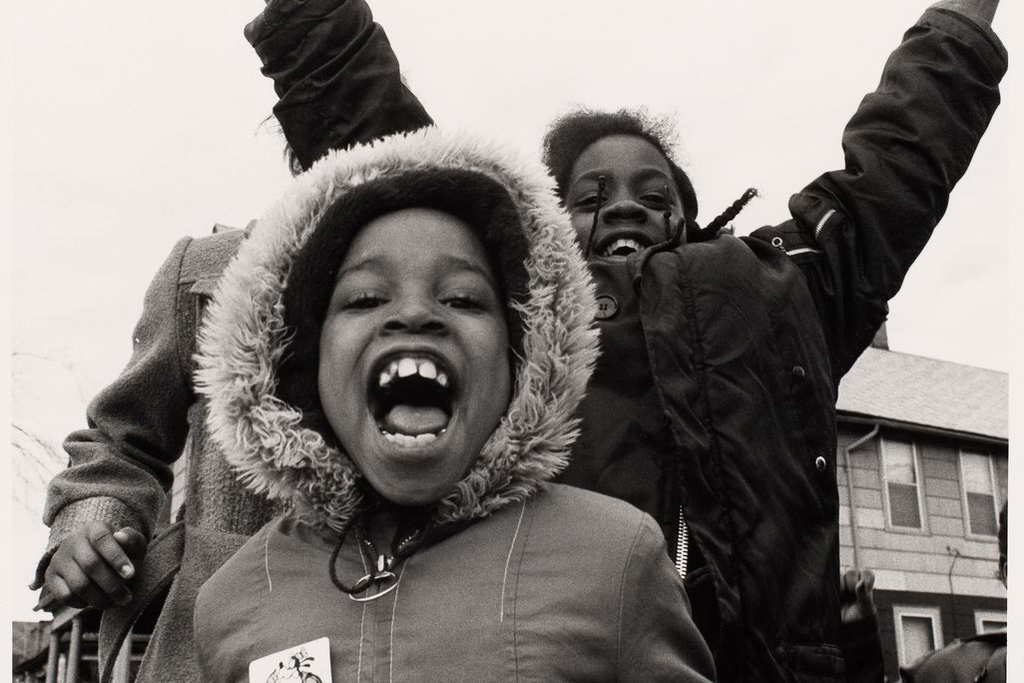
In the 1970s, the United States was experiencing a period of profound change. Economic uncertainty, environmental concerns, shifting cultural values, and the aftermath of political upheaval were reshaping everyday life across the country. Against this backdrop, government-sponsored photography projects captured an extraordinary visual record of American people, communities, landscapes, and workplaces.
Today, more than 200 of these compelling photographs can be explored through a digital collection, offering viewers a window into a decade that helped define modern America. The images document ordinary citizens, rural towns, industrial centers, farms, city streets, and natural environments, preserving details of daily life that might otherwise have disappeared from public memory.
These photographs are more than historical illustrations. They reveal how Americans lived, worked, traveled, and adapted to a rapidly changing society. They also demonstrate the power of documentary photography to preserve moments that become increasingly meaningful as time passes.
For contemporary audiences, the collection offers an opportunity to look beyond familiar images of the 1970s and discover the people and places that shaped the nation’s history.
Why the United States Documented Its People and Places
The federal government’s interest in documentary photography grew from a longer tradition of using images to record social conditions and public life. During the 1930s, the Farm Security Administration established one of the most influential photography programs in American history, documenting rural poverty, agricultural labor, and the effects of the Great Depression.
Photographers working for the program, including Dorothea Lange, Walker Evans, and Gordon Parks, produced images that helped generations of Americans understand the realities of life during a period of economic hardship.
By the 1970s, documentary photography had developed into an important historical and cultural resource. Photographs could show the consequences of industrial change, urban development, environmental pressures, and evolving social relationships in ways that written reports alone could not.
Government agencies and public institutions continued to commission photography for documentation, education, research, and historical preservation. Such projects created records of places and communities that were changing quickly.
The precise purpose of any particular collection depends on the agency, photographer, and commissioning program involved. Not every government-sponsored photograph was created as part of one unified national project. Nevertheless, the broader tradition of federal documentary photography provides essential context for understanding why these images matter.
The photographs now available to online audiences allow viewers to examine the visual evidence of a transformative decade and consider how public life changed across the United States.
More Than 200 Photographs Offer a Window Into the 1970s
The appeal of a collection containing more than 200 historical photographs lies in its variety. Rather than telling a single story, the images can bring together different experiences, regions, and ways of life.
A photograph of a small-town street may reveal the architecture, vehicles, storefronts, and public spaces that defined a local community. An image of a factory can offer clues about the equipment, working conditions, and industrial practices of the period. A portrait may capture an individual’s clothing, expression, and surroundings, preserving a personal moment within a much larger historical setting.
Landscapes can be equally revealing. Roads, bridges, farms, coastlines, forests, and expanding urban neighborhoods show how Americans interacted with the land around them.
Even seemingly ordinary details can become historically significant. A shop sign, an old telephone booth, a family car, or a handwritten notice may appear unremarkable when first photographed. Decades later, those same details can help viewers understand how technology, commerce, and public spaces have evolved.
The photographs are especially valuable because they do not rely exclusively on famous individuals or major historical events. Instead, they can direct attention toward the everyday environments in which history unfolded.
For viewers exploring the collection today, the result is an opportunity to encounter the past through a wide range of visual perspectives.
Ordinary Americans at the Center of History
One of the most powerful qualities of documentary photography is its ability to place ordinary people at the center of a historical narrative.
Political speeches and newspaper headlines often focus on leaders, institutions, and major events. Photographs of everyday life can reveal another dimension: how those broader developments affected the people who experienced them.
A worker standing outside a factory, a shopkeeper behind a counter, or a family gathered at home can communicate something about an era that is difficult to capture through statistics alone.
The 1970s were a period when many Americans were reconsidering traditional expectations surrounding work, family, education, gender roles, and personal identity. Communities were responding to economic pressures while adapting to new technologies and changing cultural attitudes.
Documentary photographs can help make those changes visible, although they cannot explain every aspect of a person’s life. A single image records a particular moment, not an entire biography. Its meaning depends partly on the circumstances in which it was taken and the information preserved alongside it.
When photographs are studied together, however, patterns can emerge. Clothing, living arrangements, workplaces, transportation, and neighborhood design can reveal differences between regions and communities.
These visual details help historians and members of the public approach the past through individual experiences rather than treating an entire decade as a single, uniform story.
A Decade of Change Across American Cities
American cities underwent significant transformations during the 1970s. Some industrial centers faced factory closures, declining employment, and population changes, while other metropolitan areas continued to expand or experienced new forms of economic development.
Urban renewal projects reshaped neighborhoods, highways changed transportation patterns, and commercial districts adapted to new shopping habits. In some places, older buildings were demolished or repurposed, while historic preservation movements gained momentum.
Photographs of city streets can reveal these changes in remarkable detail. Buildings that have since disappeared may still stand in the background of an image. Street layouts, public transit systems, advertising signs, and storefronts can show how people moved through urban spaces before the arrival of technologies and services now considered commonplace.
Images of busy intersections or crowded sidewalks can also illustrate the relationship between people and the built environment. The arrangement of streets, public spaces, and commercial areas influences how residents work, socialize, and travel.
At the same time, cities were not all experiencing the same conditions. The economic pressures affecting an older manufacturing center could differ significantly from those shaping a growing Sun Belt city.
That diversity makes historical photography particularly important. Rather than presenting a single picture of American urban life, a broad collection can help viewers recognize the many different experiences that existed across the country.
Rural Communities, Farms, and the Changing American Landscape
The story of the 1970s was not limited to cities. Rural communities also experienced economic, technological, and demographic changes that influenced how people lived and worked.
Agriculture was becoming increasingly mechanized, changing the relationship between farmers, equipment, land, and labor. Rural towns continued to serve as important centers of commerce and community life, even as some experienced population decline or economic uncertainty.
Photographs of farms can preserve details of agricultural work, from machinery and buildings to the everyday tasks involved in maintaining crops and livestock. Images of rural homes and town centers can also show how communities were organized around local businesses, schools, churches, and shared public spaces.
The surrounding landscape provides another layer of historical evidence. Fields, fences, roads, rivers, and forests can reveal patterns of land use and settlement.
Comparing older photographs with contemporary images may help researchers identify changes in development, agriculture, and environmental conditions. A landscape that appears largely unchanged at first glance may contain subtle differences in vegetation, infrastructure, or land ownership.
Such comparisons can be useful for local historians, environmental researchers, educators, and residents interested in the history of their communities.
The value of these images is not simply that they show what rural America looked like decades ago. They also preserve evidence of the relationships between people, work, and the places they called home.
Industry, Labor, and Everyday Working Life
Work was central to American identity throughout the 1970s, and photographs of workplaces can offer an unusually direct view of the country’s economic life.
Factories, construction sites, workshops, offices, and transportation facilities reveal the physical environments in which people earned their livelihoods. Equipment, uniforms, safety practices, and workplace layouts can provide clues about the industries that supported particular communities.
The decade also brought economic challenges. Inflation, energy disruptions, and changes in manufacturing placed pressure on workers and employers. The consequences varied by industry and region, but the period became an important chapter in the longer transformation of the American economy.
Documentary photographs cannot independently explain why a factory closed or how a particular worker experienced economic change. They can, however, preserve the appearance of workplaces and the people who depended on them.
A photograph of a production line may reveal the scale of an industrial operation. An image of workers outside a building can show how people gathered, dressed, or interacted during a particular period.
These details become increasingly valuable when combined with oral histories, company records, newspaper reports, and other historical materials.
For former workers and their families, such photographs may also have a deeply personal meaning. They can preserve places connected to decades of labor, friendships, and family histories.
Environmental Awareness and the American Outdoors
Environmental concerns became increasingly prominent in American public life during the late 1960s and 1970s. Questions about air pollution, water quality, industrial waste, land conservation, and the effects of development attracted growing public attention.
The first Earth Day took place in 1970, helping bring environmental issues to a wider audience. Federal environmental protections also expanded during this period, including the establishment of the Environmental Protection Agency in 1970 and the passage of major environmental legislation.
Photographs of landscapes and industrial areas can help illustrate the relationship between economic activity and the natural environment. Images of rivers, forests, coastlines, mining operations, and urban development may provide visual records of places before later changes occurred.
However, the presence of a landscape in a photograph does not automatically establish its environmental condition. Determining whether a location was polluted, restored, or otherwise altered requires additional evidence.
When properly contextualized, historical images can complement scientific records and environmental research. They can help researchers identify changes in land use, document the appearance of particular sites, and compare historical conditions with present-day observations.
For members of the public, these photographs also offer a reminder that the American landscape has never been entirely separate from human activity. Communities have continually shaped the land, while geography and natural resources have influenced where people settled and how they made a living.
The Art of Documentary Photography
Documentary photography occupies a distinctive position between art and historical evidence. Photographers make decisions about composition, timing, perspective, and the details included within a frame. Even when the purpose is to document reality, the resulting image reflects a particular viewpoint.
A portrait may emphasize an individual’s expression, while a wide-angle photograph may focus on the surrounding environment. The choice to photograph a person at work rather than at home can influence how viewers understand that person’s role in society.
These choices do not necessarily make documentary photographs unreliable. Instead, they remind viewers that photographs should be interpreted thoughtfully.
Captions, dates, locations, photographer information, and original project records can help establish context. Without those details, viewers may recognize an image’s visual power while knowing relatively little about the circumstances behind it.
The most useful collections combine the photographs themselves with reliable descriptions and catalog information. Such resources help prevent images from being separated from the people and places they were intended to document.
The work of documentary photographers can also reveal beauty in ordinary scenes. Light falling across a building, the arrangement of people in a public space, or the textures of an industrial landscape can transform a routine moment into a compelling image.
That combination of visual storytelling and historical documentation helps explain why photographs from the 1970s continue to attract interest.
How Digitization Makes Historical Images Accessible
The ability to explore historical photographs online has transformed the way people encounter archival collections.
In the past, many photographs could be viewed only by visiting a library, museum, archive, or specialized research institution. Access often depended on geographic location, opening hours, and the availability of staff or catalog records.
Digitization makes it possible to bring images to a much wider audience. Students can examine historical photographs for school projects, teachers can incorporate them into lessons, and researchers can discover visual materials without traveling to a physical archive.
Digital collections can also make searching easier. When photographs are accompanied by searchable descriptions, users may be able to locate images by place, subject, date, photographer, or collection.
For families tracing their history, an archival photograph may reveal a street, workplace, or community connected to previous generations. Local historians may use images to study changes in neighborhood architecture, while artists and designers may draw inspiration from the colors, patterns, and visual styles of the period.
Digital access does not eliminate the importance of original photographs or archival preservation. High-quality scans, accurate metadata, and long-term storage remain essential to ensuring that images stay available and useful.
Nor does online availability automatically establish that every image can be reproduced freely. Copyright and usage conditions may differ from one collection to another, so users should check the relevant terms before publishing or commercially reusing photographs.
Nevertheless, making historical images easier to discover represents an important step toward preserving and sharing the country’s visual heritage.
Why These Photographs Matter Today
Looking at photographs from the 1970s can create an immediate sense of connection with people who lived in a world that was both familiar and different.
The cars, clothing, buildings, and technology may appear dated, but many human experiences remain recognizable. People still work to support their families, gather in public spaces, build communities, and adapt to economic and cultural changes.
The images can also challenge assumptions about the past. Popular portrayals of the 1970s often emphasize a handful of cultural symbols, from disco fashion to classic automobiles. Documentary collections can offer a broader view by showing the everyday lives of people who may not fit those familiar images.
The photographs may reveal regional differences, economic inequalities, and contrasting living conditions. They can also preserve evidence of communities and landscapes that have changed dramatically since the pictures were taken.
Their importance grows with time. As buildings disappear and memories fade, photographs become valuable records of places that may no longer exist in their original form.
For younger viewers, these images can make history more tangible. Instead of learning about a decade exclusively through dates and written accounts, students can examine its visual details and ask questions about what they see.
For older viewers, the photographs may evoke personal memories and encourage reflection on how much has changed over the course of a lifetime.
Exploring America’s Visual History, One Photograph at a Time
The availability of more than 200 historical photographs offers a compelling opportunity to explore the United States during a decade of considerable transformation.
From city streets and rural landscapes to workplaces and family life, documentary images can reveal the details that often disappear from conventional historical summaries. They preserve not only the appearance of a particular moment but also clues about the economic, cultural, and environmental forces shaping the country.
The most powerful photographs do not necessarily depict famous people or dramatic events. Sometimes, an ordinary street corner, a worker’s portrait, or a quiet rural scene can communicate something profound about the period in which it was created.
These images also remind viewers that history is made by people whose experiences may never appear in textbooks. Their homes, jobs, neighborhoods, and daily routines form an essential part of the national story.
As digital archives continue to expand access to historical materials, more people can discover these visual records and interpret them through their own interests and questions.
Ultimately, the photographs offer more than a nostalgic look at an earlier America. They provide an opportunity to examine how communities change, how individuals live through periods of uncertainty, and how visual evidence can preserve the details of everyday life.
Decades after the cameras were put away, these images continue to invite curiosity, encourage historical reflection, and bring the people and places of 1970s America into view for a new generation.