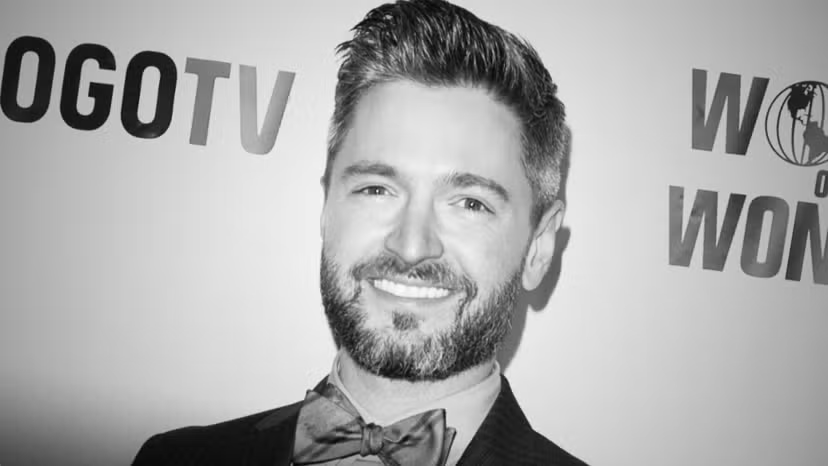
The death of Lucian Piane, a music producer and composer best known for his work on RuPaul’s Drag Race, has prompted an outpouring of sadness from fans and members of the entertainment community. Piane died at 46 on October 12, 2026, after being struck by a vehicle in Glendale, California. In the days leading up to his death, a series of unsettling social media videos had raised concerns among some followers, who publicly urged him to seek help.
The videos have since attracted renewed attention, with viewers looking back at his posts and wondering whether more support might have made a difference. Comments such as “Get help, Lucian” reflected the worry expressed by people who had watched his online activity unfold.
Yet Piane’s story is more complicated than the brief clips that circulated online. Behind the troubling posts was a musician who had contributed to popular television and music projects, collaborated with major entertainment figures, and helped shape the distinctive musical identity of one of reality television’s best-known franchises.
As news of his death spreads, his life raises difficult questions about mental health, addiction, public visibility, and the challenges of helping someone who may be struggling. It also invites a broader conversation about how people respond when signs of distress appear on social media.
Lucian Piane’s Death at 46 Shocks Fans
Lucian Piane died on October 12, 2026, following a traffic incident in Glendale, California. Authorities reported that he was struck by a vehicle while crossing the street. The Los Angeles County Medical Examiner listed blunt trauma as the cause of death and classified the manner of death as an accident.
According to reports, the driver remained at the scene after the collision. Authorities have treated the incident as a traffic accident, and there is no established evidence that Piane’s social media activity caused or directly contributed to the collision.
The circumstances surrounding his final days have nevertheless made the news particularly difficult for many people who followed his career. His recent videos had already prompted expressions of concern, and his death has led viewers to revisit those posts with sadness.
When someone dies unexpectedly, people naturally search for explanations. They may return to earlier photographs, conversations, and social media updates, looking for details that seem more significant in hindsight. But these fragments rarely tell the complete story of a person’s life or reveal everything that happened privately.
Piane’s death is a reminder that a person’s public posts provide only a limited view of their circumstances. While the videos may raise important questions about support and wellbeing, they cannot independently explain the full circumstances of his life or the events that led to his death.
The Troubling Videos Lucian Piane Shared Before His Death
In the days before his passing, Piane shared several videos on Instagram showing aspects of his daily activities in public places. The clips included interactions with strangers, visits to businesses, and conversations that some viewers found concerning.
One video posted shortly before his death showed Piane sitting outside a liquor store. He discussed his circumstances, spoke about personal difficulties, and responded to speculation about his behavior. At points, he appeared restless and moved his head from side to side while discussing what he said were health-related concerns.
In another widely discussed clip, Piane addressed assumptions people were making about him and pushed back against rumors about possible drug use. His statements in the videos reflected his own account of his circumstances, but they do not independently establish a medical diagnosis or confirm speculation about substance use.
The posts attracted attention because some viewers felt that Piane appeared to be experiencing difficulties and might need assistance. Others expressed concern about his safety and urged him to seek professional support.
Social media can make such moments unusually public. A person experiencing a difficult period may share videos that reach thousands of viewers, many of whom have no personal relationship with the individual and know little about their private circumstances.
Those viewers may feel worried, confused, or compelled to respond. Their concern can be sincere, but the limitations of an online interaction remain significant. A comment beneath a video cannot replace an assessment by a qualified professional, direct personal support, or appropriate emergency assistance when someone faces immediate danger.
Piane’s videos have become part of the public discussion surrounding his death. They should be approached with care, recognizing that they show selected moments rather than the entirety of his life.
“Get Help, Lucian”: How Fans Reacted to His Posts
Some of the most emotional responses to Piane’s recent videos came from people who encouraged him to seek help. The phrase “Get help, Lucian” captured the concern of followers who believed he might be struggling.
After news of his death emerged, the comments took on a different meaning for many viewers. People began looking back at the videos with grief, reflecting on the uncertainty of his final days and the difficulty of knowing how best to support someone from a distance.
Former friends and people familiar with his work also shared reflections on his complicated life. Some described a talented individual whose personal struggles could make relationships difficult. Others remembered his creativity, humor, and contributions to music.
Such responses reveal how differently a person can be experienced by those around them. A public figure may be remembered for professional achievements, personal kindness, difficult interactions, or a mixture of all three. None of those perspectives necessarily captures the whole person.
The comments also highlight an uncomfortable reality: people may recognize that someone needs help without knowing what kind of assistance would be effective or whether the person is ready to accept it.
It is easy to look backward and imagine that a different conversation or intervention might have changed the outcome. But people outside an individual’s immediate circumstances cannot know every factor involved. Grief can bring regret and unanswered questions, even when friends and supporters have made genuine efforts to help.
Rather than treating the comments as proof that a particular outcome could have been prevented, it is more constructive to recognize the concern behind them and consider how communities can respond more effectively when people appear to be in distress.
Lucian Piane’s Musical Legacy on ‘RuPaul’s Drag Race’
Although attention has focused on his final social media posts, Piane built a substantial body of work in entertainment. He was a composer, producer, and songwriter who became particularly well known for his contributions to RuPaul’s Drag Race.
Piane worked on the series during its early seasons and helped create music for its distinctive performance challenges. The show combines fashion, comedy, lip-sync performances, and original musical numbers, making music an important part of its identity.
Among the projects associated with Piane were musical challenges such as “Shade: The Rusical” and “The Baddest Bitches in Herstory.” These productions required more than writing a melody. They involved understanding the show’s humor, theatrical style, performers, and often deliberately exaggerated approach to entertainment.
Piane also collaborated with RuPaul on songs including “Cover Girl” and “Sissy That Walk,” tracks connected with the wider musical world surrounding the franchise.
For viewers, these songs became part of the experience of watching contestants perform, compete, and develop their identities on screen. Music helped create memorable moments and gave the series a sound that was recognizable to its audience.
Piane’s professional work extended beyond reality television. He contributed to film and other entertainment projects, including work connected with the 2007 musical film Hairspray. His involvement in the film’s musical production earned him recognition through a Grammy nomination associated with the soundtrack.
His career demonstrated a broad creative range, spanning composition, production, songwriting, and musical arrangements. While public attention can shift quickly toward a celebrity’s personal difficulties, his professional achievements remain an important part of his legacy.
A Creative Career That Reached Millions of Viewers
Music producers often work behind the scenes, shaping the sound and structure of performances without receiving the same level of recognition as the people appearing on screen.
Their influence can nevertheless be substantial. Producers help determine how a song develops, how musical elements fit together, and how a performance communicates its intended mood. In television, their work must also fit the timing, style, and narrative needs of a production.
Piane’s contributions to RuPaul’s Drag Race placed him within a creative environment where music, comedy, performance, and visual spectacle frequently intersect. The show’s musical challenges became memorable parts of its format, giving contestants opportunities to showcase their personalities and theatrical skills.
For fans, a familiar song can evoke specific episodes, performances, and moments shared with other viewers. These connections help explain why news about someone who worked on a beloved program can feel personal even to people who never met them.
Piane’s music-related work reached audiences through television and recordings, creating a professional legacy that extends beyond the circumstances of his death.
Remembering that work does not require ignoring the difficulties discussed in reports about his final days. Rather, it means recognizing that both can be true: Piane was a talented creative professional, and his life also included personal challenges that deserve to be discussed with sensitivity.
A respectful account of his life should make room for the full complexity of that experience without reducing him to either his accomplishments or his struggles.
Mental Health, Addiction, and the Limits of Social Media
The renewed attention surrounding Piane’s videos has raised broader questions about how people respond when someone appears to be struggling with their wellbeing.
Mental health challenges and substance use disorders can affect people from every profession and background. They may influence relationships, daily routines, and a person’s ability to seek or accept assistance. However, outward behavior alone cannot reliably establish what someone is experiencing or what treatment they might need.
It is especially important to avoid diagnosing a person based on short social media clips. Viewers may interpret unusual speech, movements, or public behavior in different ways, but those observations are not a substitute for a professional evaluation.
Social media also creates a complicated environment for people in distress. Posting may provide a way to communicate, document daily experiences, or seek connection. At the same time, public exposure can invite criticism, ridicule, speculation, and unwanted attention.
A compassionate response begins by resisting the urge to turn a person’s most difficult moments into entertainment. Sharing clips without context or attaching unverified explanations can increase stigma and make an already painful situation more difficult for the person involved and their loved ones.
When someone expresses a need for help, a useful response may involve reaching out privately, listening without judgment, and encouraging appropriate professional support. If there is a credible and immediate threat to someone’s safety, contacting local emergency services may be necessary.
Not every situation can be resolved by friends, relatives, or online followers. Supporting someone does not mean taking responsibility for circumstances beyond one’s control. It means responding as thoughtfully as possible while recognizing the importance of trained professionals and appropriate services.
Piane’s death cannot be reduced to a simple lesson about what people should have done differently. But the discussion surrounding his final posts can encourage more informed and compassionate conversations about mental health and addiction.
Why Compassion Matters When Someone Is Struggling
The public often sees entertainers through the work they produce. Audiences watch performances, listen to songs, and follow careers, but they may know little about the private challenges that exist beyond the screen.
When a public figure shares troubling material, that distance can suddenly feel smaller. Followers may feel that they are witnessing a personal crisis, even though they remain strangers to the person involved.
This can create a powerful desire to help. It can also encourage speculation, particularly when viewers try to interpret what they see without reliable information.
Compassion requires a balance between concern and respect. It means recognizing that a person may need assistance without assuming that the public understands their circumstances. It also means acknowledging that people facing mental health or addiction challenges deserve dignity, regardless of their behavior or professional status.
The language used to discuss such struggles matters. Describing someone only through rumors or the most distressing images of their life can obscure their achievements and reinforce harmful stereotypes. A more thoughtful approach acknowledges the concerns raised by their behavior while preserving their humanity.
For those mourning Piane, remembering his music and creative contributions may offer a way to hold on to the positive parts of his legacy. For others, the circumstances of his death may encourage them to check in on friends, learn about available support, or reconsider how they respond to someone experiencing difficulties.
Neither response can change what happened, but both can help direct attention toward understanding rather than judgment.
Remembering Lucian Piane Beyond His Final Days
Lucian Piane’s death at 46 has left fans reflecting on a creative career that helped shape the musical world of RuPaul’s Drag Race. His work as a composer, producer, and songwriter contributed to performances and songs that became familiar to audiences around the world.
The videos he shared in the days before his death have added a painful dimension to the public response. Comments urging him to seek help reveal how concerned some followers had become, while later tributes show how strongly his passing has affected people who remember his talent and his complicated personal journey.
The full story of a person’s life can never be contained in a series of online clips. Piane’s final posts offer glimpses of difficult moments, but they do not explain every aspect of his circumstances or establish what might have changed the outcome.
His death is a loss that deserves to be discussed with care, particularly when the conversation touches on mental health, addiction, and personal vulnerability.
As tributes continue, his musical legacy remains part of the story. So does the broader reminder that people can experience serious difficulties behind public achievements, and that concern for someone should be expressed with dignity rather than speculation.
Lucian Piane will be remembered by many for the music he helped create and the mark he left on a popular television franchise. His final days have also prompted difficult questions about how communities recognize distress and offer support.
The most respectful way to remember him is to acknowledge both his creative contributions and the complexity of his life, while extending compassion to everyone affected by his death.