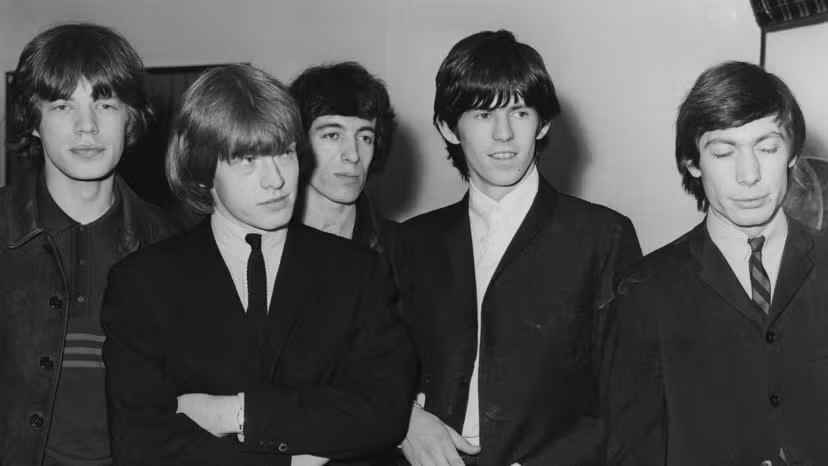
More than six decades after the Rolling Stones began reshaping the sound of rock and roll, their music continues to reward listeners who look beyond the band’s biggest hits. While songs such as “(I Can’t Get No) Satisfaction,” “Paint It, Black,” and “Ruby Tuesday” remain central to the group’s legacy, some of the most fascinating recordings in their catalog are the tracks that never became major radio staples.
One 1965 song has drawn renewed attention for precisely that reason. Recorded when the band’s members were still young and their musical identity was rapidly evolving, the track has earned recognition as one of the Rolling Stones’ best deep cuts decades after its original release. Its continued appeal demonstrates how a song can grow in reputation long after the moment that first introduced it to audiences.
The reference to a 21-year-old singer adds another layer to the story. In the mid-1960s, the Rolling Stones were still establishing themselves as one of Britain’s most exciting young rock groups. Their early recordings captured a band balancing its blues influences with the growing confidence, attitude, and experimentation that would help define its later work.
The renewed interest in a song from that period also raises an interesting question: What makes a deep cut endure? Sometimes it is a distinctive guitar arrangement or an unusually compelling vocal performance. In other cases, the appeal comes from the feeling that listeners have discovered a hidden corner of a familiar band’s musical world.
For Rolling Stones fans, the appeal of revisiting the group’s 1965 recordings is not simply nostalgia. It is an opportunity to hear the development of a legendary band while discovering songs that may have been overshadowed by its better-known singles.
The 1965 Track Finding New Appreciation in 2026
The song at the center of this renewed interest is “Mercy, Mercy,” a recording featured on the Rolling Stones’ 1965 album Out of Our Heads. The track is a cover of a song originally recorded by American soul musician Don Covay and his group, the Goodtimers.
For the Rolling Stones, recording “Mercy, Mercy” was an opportunity to draw directly from the rhythm-and-blues and soul traditions that had helped shape their musical identity. Rather than presenting themselves as a band interested only in writing original material, the Stones regularly interpreted songs by American artists whose work had influenced them.
That approach was central to their early development. The group had built much of its reputation on energetic performances of blues and rhythm-and-blues material, bringing those sounds to a British audience that was increasingly fascinated by American music. “Mercy, Mercy” fits naturally into that tradition.
Mick Jagger, who was 21 when the band recorded the track, delivers the lead vocal with the directness and intensity that became a defining element of the Stones’ sound. His performance reflects a young singer learning how to make familiar musical influences feel personal rather than simply imitate the artists who came before him.
The song’s appearance on a modern list of the band’s best deep cuts offers a reminder that the Stones’ musical history cannot be understood through hit singles alone. Album tracks and covers also reveal the band’s influences, its developing performance style, and the musical choices that helped it establish a distinctive identity.
How “Mercy, Mercy” Connects the Stones to American Soul
To understand why “Mercy, Mercy” remains interesting, it helps to look at the musical environment in which the Rolling Stones emerged.
During the early 1960s, British musicians increasingly turned to American blues, gospel, and rhythm and blues for inspiration. Records by artists such as Chuck Berry, Muddy Waters, Howlin’ Wolf, and numerous soul performers circulated among musicians who were eager to develop their own versions of these styles.
The Rolling Stones were particularly committed to this musical heritage. Their early repertoire frequently included songs originally recorded by Black American performers, and their interpretations introduced those compositions to new audiences.
Don Covay’s “Mercy, Mercy,” released in 1964, belonged to the energetic world of American soul. Covay was an accomplished singer and songwriter whose work connected rhythm and blues with the emerging soul sound of the era. His recording had its own character, shaped by the performance and arrangement of the original musicians.
When the Stones recorded their version, they were not creating the song from scratch. Instead, they were interpreting an existing composition through their own combination of guitar-driven rock, rhythmic urgency, and Jagger’s distinctive vocal delivery.
That distinction matters. A successful cover does more than reproduce a familiar melody. It reveals what another artist hears in the original and how that artist reshapes it for a different audience.
The Stones’ version of “Mercy, Mercy” demonstrates the importance of musical exchange during the British Invasion. The movement was not simply a story of British bands inventing a new sound independently. It was also a story of musicians absorbing, adapting, and popularizing styles that had developed in the United States.
The continuing appreciation of the recording provides an opportunity to recognize both the Stones’ interpretation and the American musical traditions that made it possible.
Mick Jagger at 21: A Voice Still Taking Shape
When “Mercy, Mercy” was recorded, Mick Jagger was still in the early stages of the career that would eventually make him one of rock music’s most recognizable frontmen.
Born in 1943, Jagger grew up in postwar Britain and developed an interest in American blues and rhythm and blues alongside his longtime musical partner Keith Richards. Their shared enthusiasm for those sounds helped establish the foundation of the Rolling Stones.
At 21, Jagger was already becoming known for his energetic stage presence and expressive singing. However, the band’s identity was still evolving. Its early records captured a young group learning how to combine its influences with an increasingly recognizable personality.
Jagger’s singing was different from the polished vocal style favored by many traditional pop performers. He often approached a song with a conversational edge, emphasizing rhythm and attitude as much as melody. That quality suited the Stones’ interest in blues-based music, where vocal phrasing and emotional delivery could be just as important as technical precision.
“Mercy, Mercy” offers a snapshot of that development. The performance draws on the original song’s soul foundations while allowing Jagger to bring his own vocal character to the material.
It is also a useful reminder that legendary artists do not arrive fully formed. Their musical identities emerge through experimentation, collaboration, and the accumulation of performances. Listening to recordings from the Stones’ early years allows fans to hear those elements developing in real time.
For listeners who know Jagger primarily through the band’s later stadium performances, a recording from 1965 offers a different perspective: a young singer working within a compact, energetic band as British rock was rapidly expanding its reach.
Why Deep Cuts Deserve More Attention
In music criticism, the term “deep cut” generally refers to an album track that did not become a major hit or receive the same level of mainstream attention as an artist’s most famous singles. The term is relative, however. A song that is obscure to casual listeners may be a longtime favorite among devoted fans.
The Rolling Stones have an especially large catalog in which to explore this distinction. Over decades of recording, the band has released music spanning blues, rhythm and blues, rock and roll, country, soul, funk, and other styles. Its best-known songs represent only a portion of that history.
Deep cuts can reveal aspects of an artist that the major singles do not. Some highlight instrumental experimentation, while others show an interest in musical traditions that were not central to the group’s commercial identity at a particular moment.
In the case of “Mercy, Mercy,” the attraction lies partly in its connection to the band’s early rhythm-and-blues roots. The recording captures the Stones working with material that reflects the music they admired before their original compositions became an increasingly dominant part of their identity.
A modern ranking can introduce these tracks to listeners who have mainly encountered the group’s greatest hits. It can also encourage longtime fans to reconsider familiar albums and revisit songs that may have received less attention when they were first released.
Such lists are inherently subjective. There is no definitive formula for determining the best deep cuts, and different listeners will prioritize different qualities. Some value musical originality, others focus on performance, and still others prefer recordings that reveal an unexpected side of a familiar band.
The significance of a ranking is therefore less about establishing an unquestionable order than about starting a conversation about music that deserves to be heard.
Out of Our Heads and a Pivotal Year for the Rolling Stones
Released in 1965, Out of Our Heads occupies an important place in the Rolling Stones’ early discography. The album appeared during a period when the group was moving from being a promising British rhythm-and-blues act toward becoming an international rock phenomenon.
The album’s release history differs between the United Kingdom and the United States, reflecting the way record companies frequently assembled different versions of albums for the two markets during the 1960s. The American edition included a selection of songs that helped define the band’s sound during this formative period.
That year was especially important because the Stones were demonstrating that they could succeed with original compositions as well as interpretations of other artists’ work. “The Last Time” and “(I Can’t Get No) Satisfaction” helped establish the songwriting partnership of Jagger and Richards as a major force in popular music.
“Satisfaction,” in particular, became a defining recording of the era, thanks in part to Richards’ memorable fuzz-toned guitar riff and Jagger’s restless vocal performance. Its success helped establish the Stones as more than interpreters of American blues and soul.
Yet the presence of covers such as “Mercy, Mercy” remained significant. These songs showed that the band’s original material developed alongside a deep engagement with the music that had inspired its members.
Listening to Out of Our Heads today offers a view of a group at a turning point. Its recordings preserve the energy of the Stones’ early influences while pointing toward the broader musical identity that would emerge over the following years.
Sixty-One Years Later, the Music Still Has Something to Say
The continued interest in a 1965 Rolling Stones recording illustrates how music can acquire new audiences long after its original release.
In 1965, listeners encountered music through radio broadcasts, record shops, television appearances, live performances, and physical albums. Today, digital music services and online discussions make it easier for listeners to explore an artist’s entire catalog, moving from a famous single to a lesser-known album track with only a few clicks.
That accessibility has changed how people discover older music. A song that received limited attention at the time of release can find new listeners through playlists, retrospective rankings, anniversary features, and recommendations from other fans.
The process does not necessarily mean that the music itself has changed. Rather, the context surrounding it has evolved. Listeners may hear a recording differently after becoming familiar with the artist’s later work or learning about the musical traditions that influenced it.
For “Mercy, Mercy,” renewed attention also offers an opportunity to explore Don Covay’s original recording and consider the relationship between the two interpretations. That comparison can make the Rolling Stones’ musical influences more apparent while giving the original artist’s contribution greater visibility.
The 61-year gap between the song’s release and its renewed recognition is a reminder that a recording’s cultural life does not end when its initial promotional cycle is over. Songs can continue to be rediscovered, reconsidered, and appreciated across generations.
The Rolling Stones’ Legacy Extends Beyond the Hits
The Rolling Stones’ place in rock history rests on a combination of memorable singles, influential albums, distinctive performances, and an unusually long recording career. Their biggest hits remain essential to understanding their success, but the lesser-known tracks provide additional insight into how that success developed.
“Mercy, Mercy” belongs to the period when the group was still closely connected to the American blues and soul traditions that had inspired its formation. Mick Jagger’s youthful vocal performance captures a band learning how to transform those influences into something that audiences would increasingly recognize as its own.
Its appearance among the Rolling Stones’ best deep cuts more than six decades later does not need to be treated as a dramatic rediscovery. The song has been available to listeners for generations. What has changed is the renewed attention it receives from people exploring the band’s catalog beyond its most familiar recordings.
For longtime fans, the track offers another opportunity to revisit a formative period in the group’s history. For newer listeners, it provides an accessible entry point into the musical roots of one of rock’s most enduring bands.
Ultimately, the story of “Mercy, Mercy” is about the lasting value of looking beyond the obvious favorites. A band’s legacy is built not only by the songs that dominate the charts but also by the recordings that reveal its influences, its experimentation, and its development as a group.
More than 60 years after the Rolling Stones recorded the song, its place in discussions of the band’s deeper catalog shows that listeners continue to find rewards in the music of 1965. The hits may introduce people to the Stones, but the deep cuts help explain why their music remains worth exploring.